
Central China
Destinations / Central China
Hubei.
The roof of central China, a mountain the Ming rebuilt in bronze and tile, a limestone canyon 108 kilometres long, and the Yangtze running through all of it.
3,106 m on Shennong Peak, and 193 km of river gorge below it — the two numbers that explain Hubei
01 / Read the province
Two blocks of mountain and a river.
Hubei is 185,900 square kilometres, and almost all of its adventure geography sits in the western third: Shennongjia’s forest, Wudang’s Ming mountain and the limestone country around Enshi. The Yangtze joins them, and Wuhan is where everything else begins.
- 01
Shennongjia
The forest · 3,106 m
- 02
Wudang
The Ming mountain · 1,612 m
- 03
Enshi
The canyon · 108 km
- 04
The Qingjiang
The clear river · 423 km
- 05
The Three Gorges
The dam · Xiling 76 km
- 06
Wuhan
The junction
The distances are the design problem. Shennongjia to Wudang is four hours by road and Wudang to Enshi six, so a good Hubei route joins two of the three mountains rather than all of them. The river and Wuhan can be attached to any of them; the Qingjiang is a day of boats rather than a walk.
What to see where ↓02 / Choose a landscape
Forest, stone and water.
The province has three distinct landscapes, and they ask for three different paces: a reserve you drive through, a mountain you climb, and a canyon you walk down into.
The forest
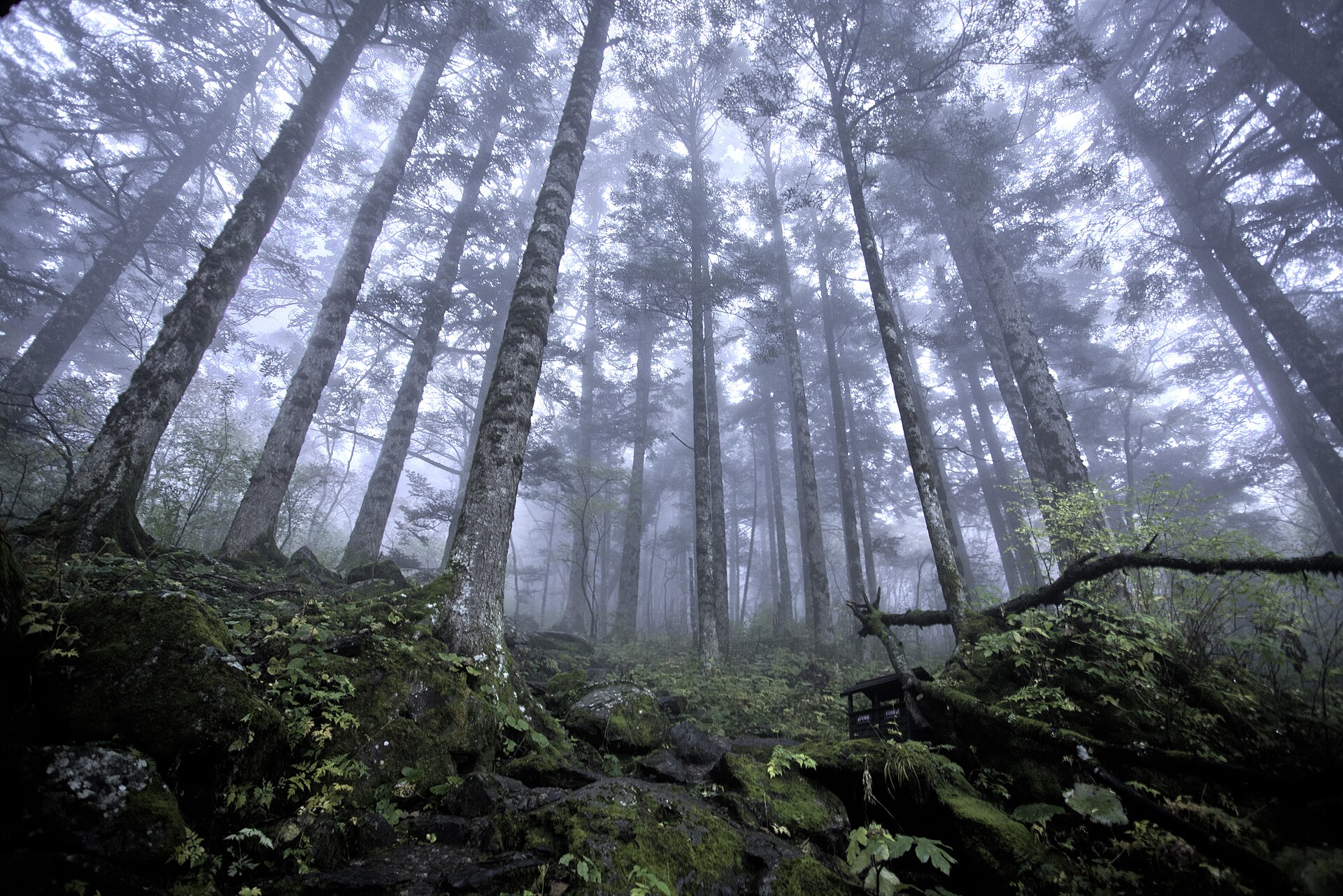
Seventy-nine thousand hectares of primary forest rising from 420 metres to 3,106, with six vegetation belts intact and 1,550 golden snub-nosed monkeys that live nowhere else. A reserve you move through by shuttle, not a peak you tick off.
Into the central China forest ↗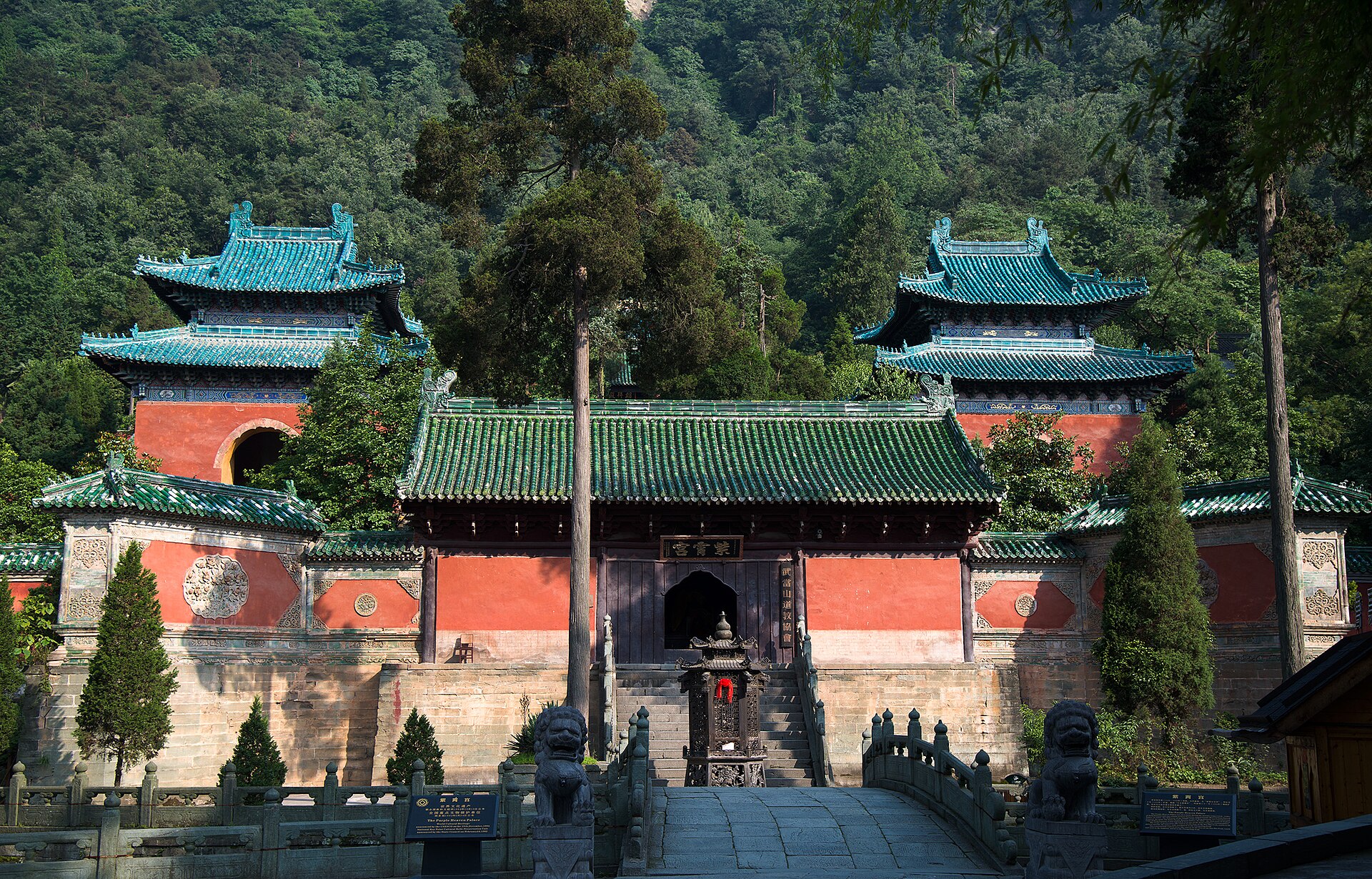
The Ming mountain
Seventy-two peaks around one summit, and two hundred surviving buildings from an eleven-year programme the Yongle emperor began in 1412. The architecture is the reason to come; the pilgrim stairs are how you see it.
Up the pilgrim stairs ↗
The canyon
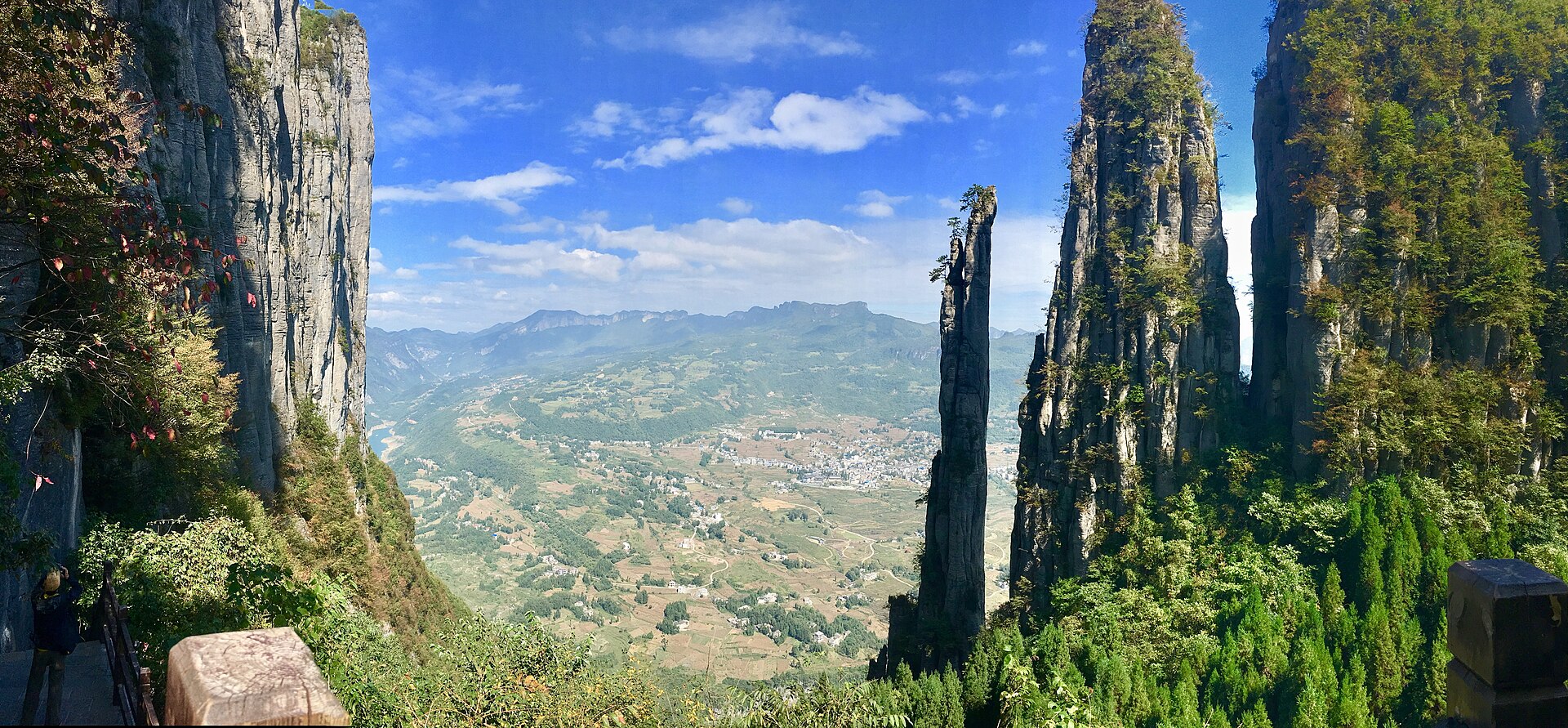
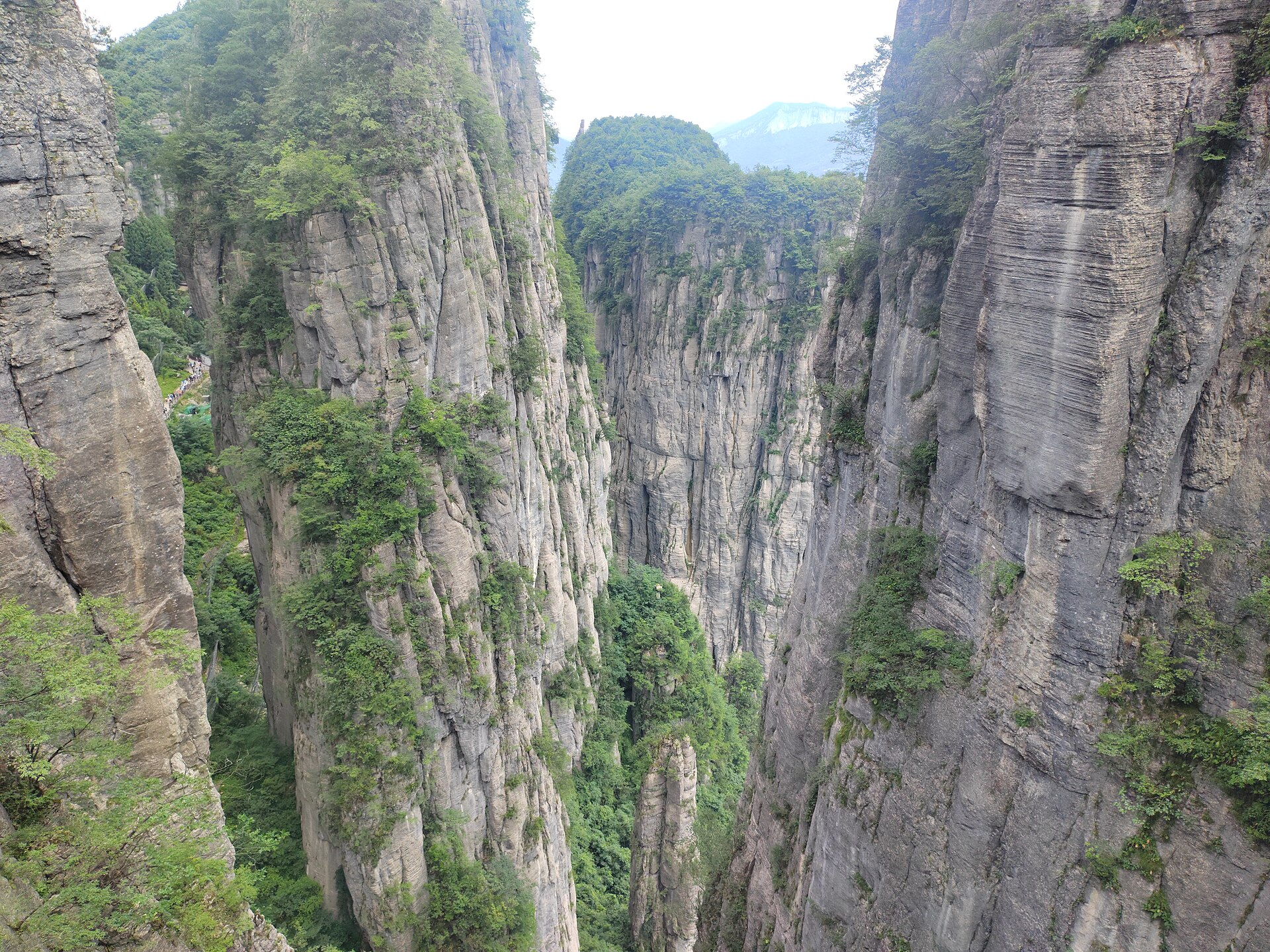
A hundred and eight kilometres of dissolved limestone: pillars standing on their own bases, a fissure 75 metres deep with waterfalls in it, and a clear-water gorge two hours south where the boats appear to fly.
Down into the karst ↗03 / Pick your month
Two windows and a wet middle.
Hubei’s year is defined by the plum rain from mid-June to mid-July, the clear dry weeks of October, and a winter that is cold above 1,500 metres and merely damp below it.
Open month Cold, closed or limited Best window
March – May · Green and cool
The best all-round window. Rhododendron on the Shennongjia ridges in May, the canyon before the summer crowds, and stairs that do not yet punish you.
June – August · The plum rain, then the heat
Six weeks of warm rain from mid-June, then a hot, humid summer that the mountains absorb better than the plain. The busiest domestic season in the hills.
December – February · Snow above 1,500 m
Cold and clear, with the Shennongjia summit road often closed and the canyon rim iced. Wudang in snow is the best version of Wudang, if you can take the cold.
04 / Stay curious
Gods and engineers.
Two dynasties of ambition left their marks on this province: a Ming emperor’s mountain, and a twentieth-century dam that moved a million people.
- 01
The emperor’s mountain
Yongle took the throne from his nephew in 1402 and needed a mandate. He found one in Zhenwu, the Perfected Warrior, and in 1412 sent 300,000 labourers to build on the mountain where the god was said to have attained immortality. Eleven years later Wudang had nine palaces, eight abbeys and 72 cliff shrines.
- 02
The drowned valley
The Three Gorges project raised the Yangtze more than 100 metres behind Sandouping, relocated 1.3 million people and rebuilt whole county towns up the slopes. The narrow gorges survived it; the wide reaches did not.
- 03
The forest that was never cut
Shennongjia was administered as a forestry district rather than a county, which is the bureaucratic accident that left the largest primary forest in central China standing. UNESCO listed it in 2016.
05 / Go deeper
Five shapes, no fixed departure.
Hubei has no scheduled trip yet. What we build instead is one of five shapes: the western loop, Shennongjia in depth, the Wudang climb, the Enshi canyon week, or the river in autumn.
The rule that makes them work is to join two mountains rather than three. Shennongjia and Wudang belong together; Enshi belongs with the river. Trying to do all four in a week means six hours a day in a car.
All the Hubei route shapes
Comparison · five shapes, three to eight days
Shennongjia in depth
Region guide · the summit, the peat basin and the monkeys
The Wudang pilgrim climb
Region guide · the Ming palaces and the stairs to 1,612 m
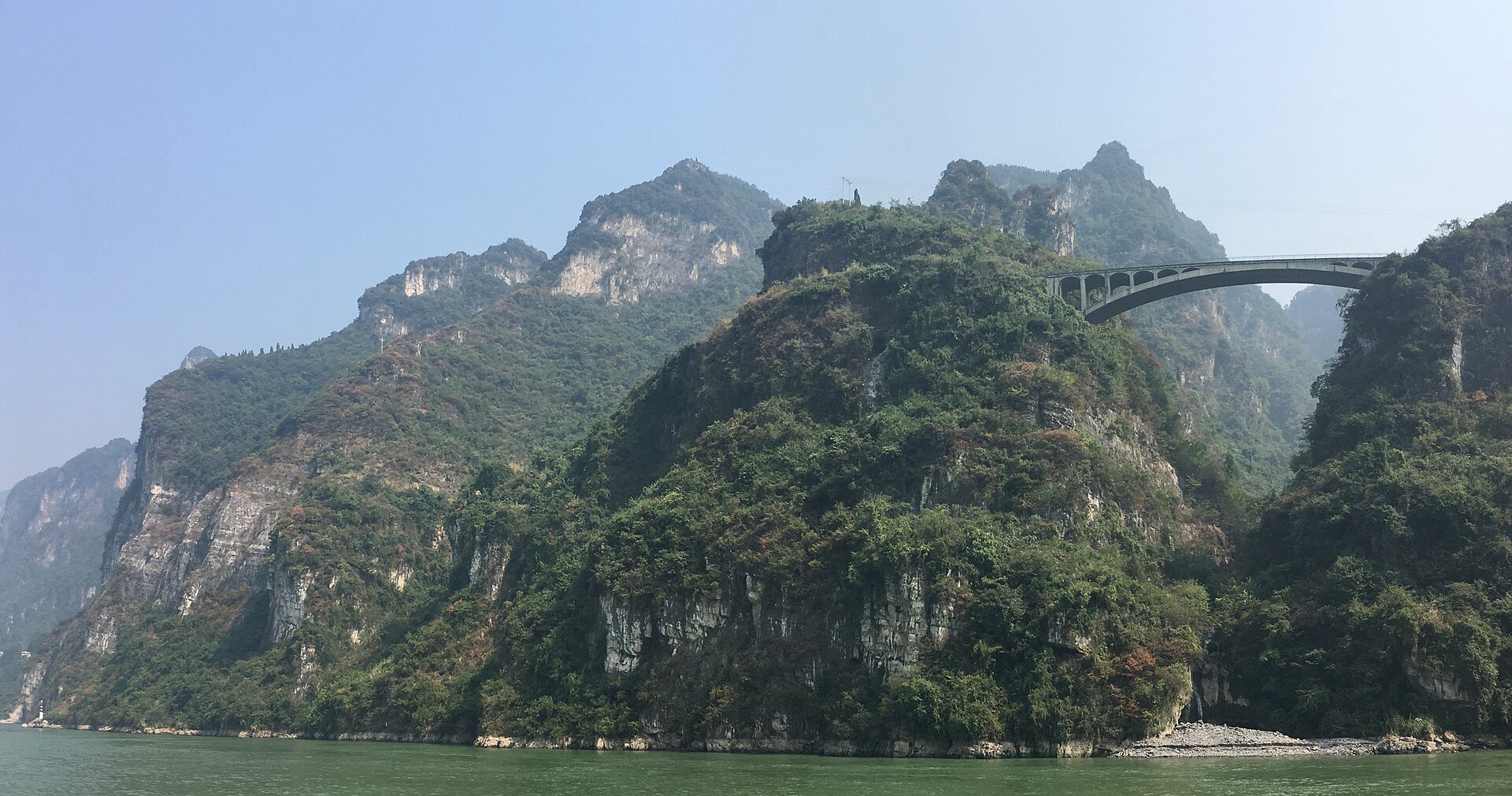
The river in autumn
Region guide · Xiling Gorge, the dam and the locks
06 / Before you go
The useful details.
Hubei rewards a route that is honest about driving time, and punishes one that pretends the mountains are close together.
Wuhan is the front door
The airport and three main stations connect to Yichang in about two hours, Shiyan in two, and Enshi in four and a half. Almost every route starts or ends here, and the museum alone justifies a day.
Altitude is not the issue
The province tops out at 3,106 metres and nobody acclimatises for it. What replaces altitude is stairs: several thousand on the Wudang pilgrim road, 7.5 kilometres with a long descent at Enshi, 700 to 1,900 steps at Pingshan.
The roads are long
Shennongjia to Wudang is four hours, Wudang to Enshi six, Enshi to Hefeng two and a half on mountain roads. Two bases per week is a comfortable rhythm; three is a driving holiday.
Keep exploring
Go one layer deeper.
07 / Common questions
The questions that come up first.
What travellers ask before a Hubei route takes shape.
01How many days does Hubei need?
Seven to eight for the western loop, which joins Shennongjia, Wudang and the river. Four if you want one mountain properly. Five for Enshi with the clear-water gorge. Hubei is not a province to rush: the transfers are the itinerary.
02Which mountain first?
Shennongjia, then Wudang. The forest is a driving and shuttle day, Wudang is a stair day, and the second is easier with fresh legs. Enshi works better at the end, attached to the river.
03Do I need to be fit?
Not for altitude, yes for stairs. Wudang’s pilgrim route is several thousand steps up and the same down; Enshi’s rim walk is 7.5 kilometres with a cable car at one end; Pingshan has 700 to 1,900 steps depending on the entrance.
04Is the Three Gorges still worth it?
Yes, but for different reasons than the old photographs suggest. The narrow gorges are intact, the tributaries are intact, and the dam and the locks are extraordinary. The wide reaches are now a reservoir.
05When is the best month?
October, then April. October has the clearest air, the reservoir at its highest and the best light; April has green mountains and comfortable stairs, with more rain but fewer people.
06What about the plum rain?
Mid-June to mid-July, reliably. It fills the canyon waterfalls and muddies the rivers, and it can close the cliff paths in thunder. Come for it deliberately or avoid it entirely; do not build a tight itinerary through it.
07Can I do this with children?
Yes, with the right shape: the river, the dam, the canyon cable car and the museum all work. The Wudang summit stairs and the Pingshan descent are the two that need a decision.
08Is Wudang only for Daoists and martial artists?
No. It is a mountain of Ming architecture on a genuinely beautiful ridge system, walked by ordinary visitors on the same stairs as the pilgrims. The tai chi is a bonus rather than an entry requirement.
Something not covered here? See how a private route is put together ↗ or send us your question ↗
Your Hubei.
Tell us whether the mountains or the river matter more, and how many stairs a good day contains. Hubei rewards the honest answer more than most provinces.
Start my journey brief