Choose the camp style
A supported scenic overnight, a trek camp and a desert camp offer very different levels of comfort. State what you need for sleep, privacy and facilities.
 Start your route ↗
Custom camping journeys for active travellers. Make the night part of the journey, not just the space between two days.
Shape this activity ↓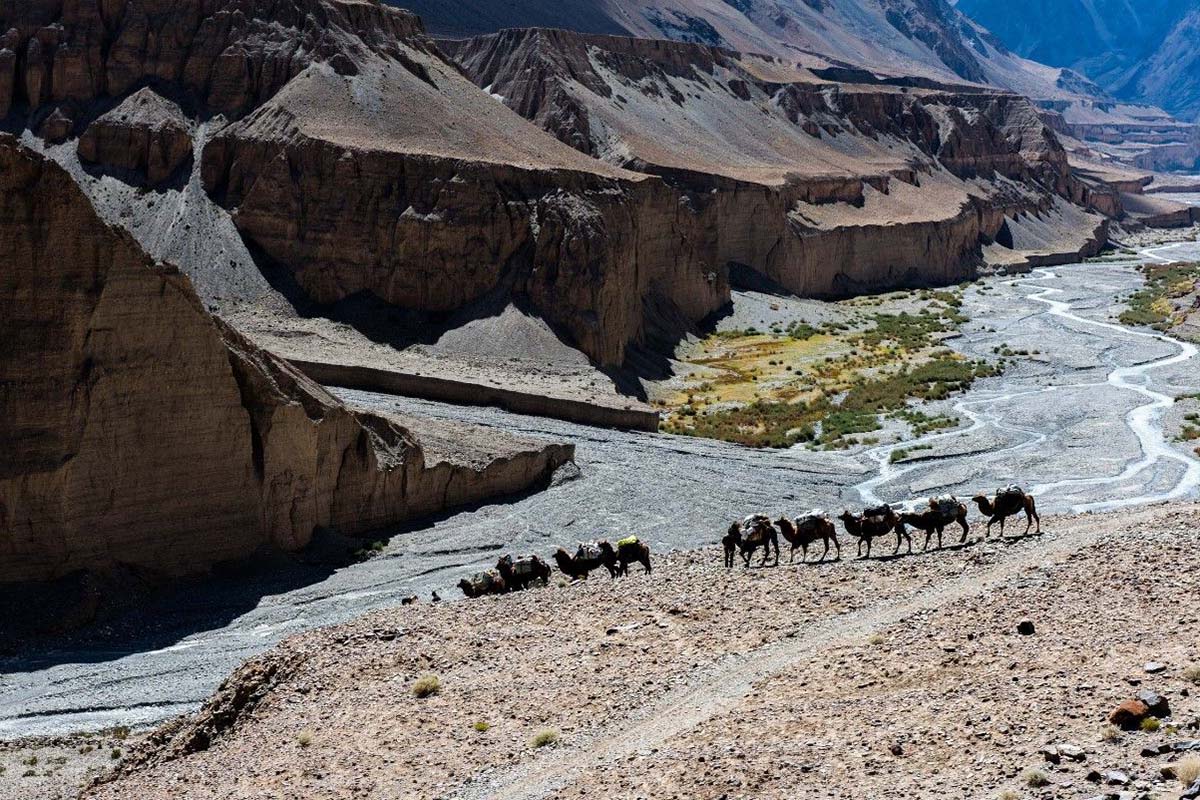
Camping is a sequence of small practical decisions that become a better night outside: the right site, a warm meal and an early view.
Camping works when the practical details are as considered as the view: access, altitude, warmth, food, sanitation and the weather margin.
A supported scenic overnight, a trek camp and a desert camp offer very different levels of comfort. State what you need for sleep, privacy and facilities.
Arrive with daylight, give the team time to settle, then keep the following morning unhurried. Camp is a destination, not a late-night hotel substitute.
Sleeping warmth, rain protection, altitude, wind and ground conditions vary dramatically. Equipment follows the local forecast and camp format.
The more clearly you describe the group and your experience, the faster we can separate a feasible idea from an unsuitable one.
Short answers to the questions that shape a sensible first conversation.
Not necessarily. The decision depends on the route and support arrangement; we clarify what is supplied and what must be personal.
It can be, with a suitable location, short access and realistic facilities. A remote trek camp requires a different assessment.
We may change the camp site, use fixed accommodation or alter the route. A weather alternative is part of responsible planning.
Camping changes how a place feels: the last light, the early start, and the quiet between. Choose a supported camp as part of a trek, an easy overnight near a landscape, or a more self-contained wilderness rhythm.
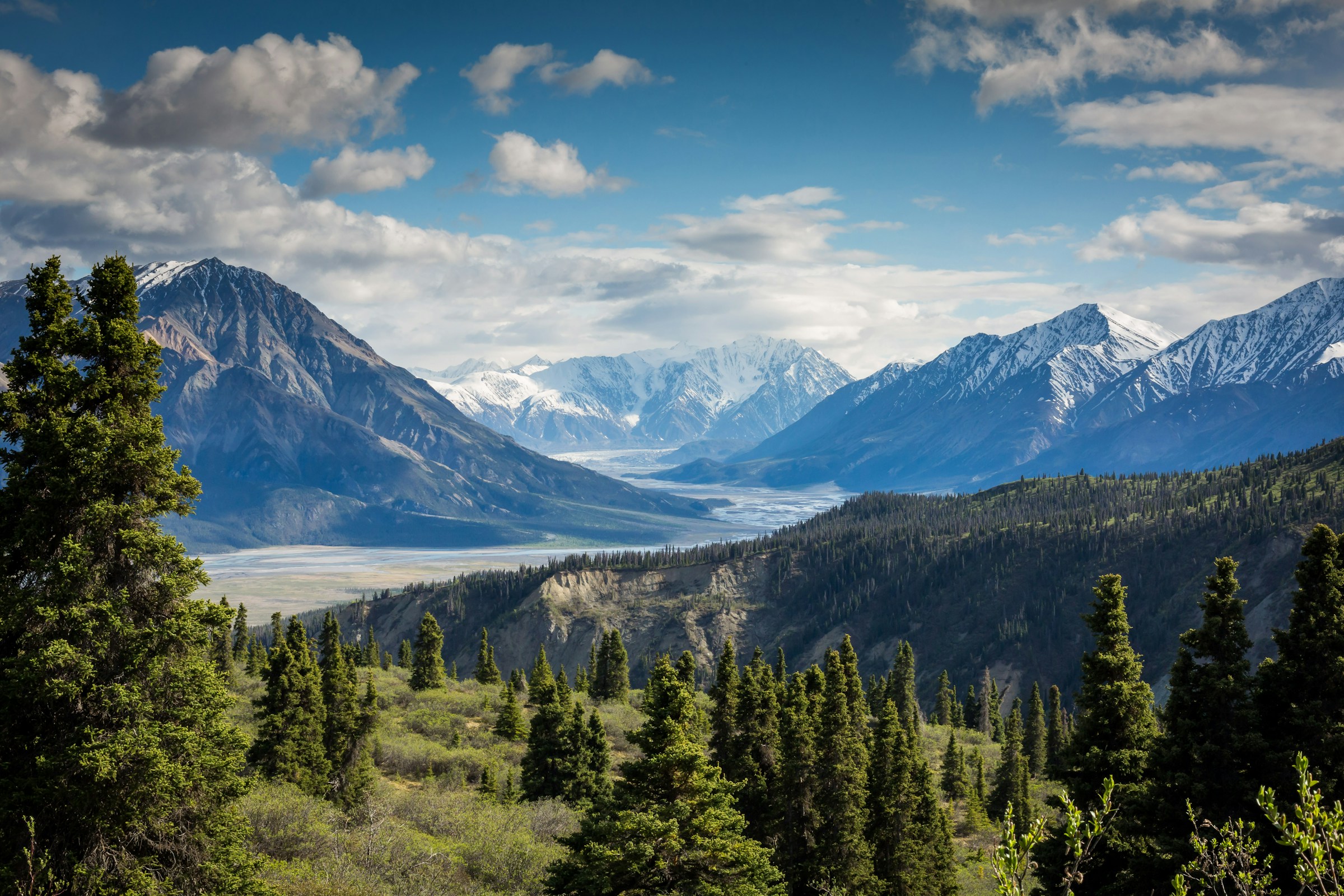
These are ingredients, not off-the-shelf promises. We connect them only when conditions, access and your group make sense.
Add a supported outdoor overnight to deepen a walking or desert route.
Build a multi-night camp plan where the terrain and logistics make sense.
Match sleep system, meals and shelter to the actual conditions rather than a generic packing list.
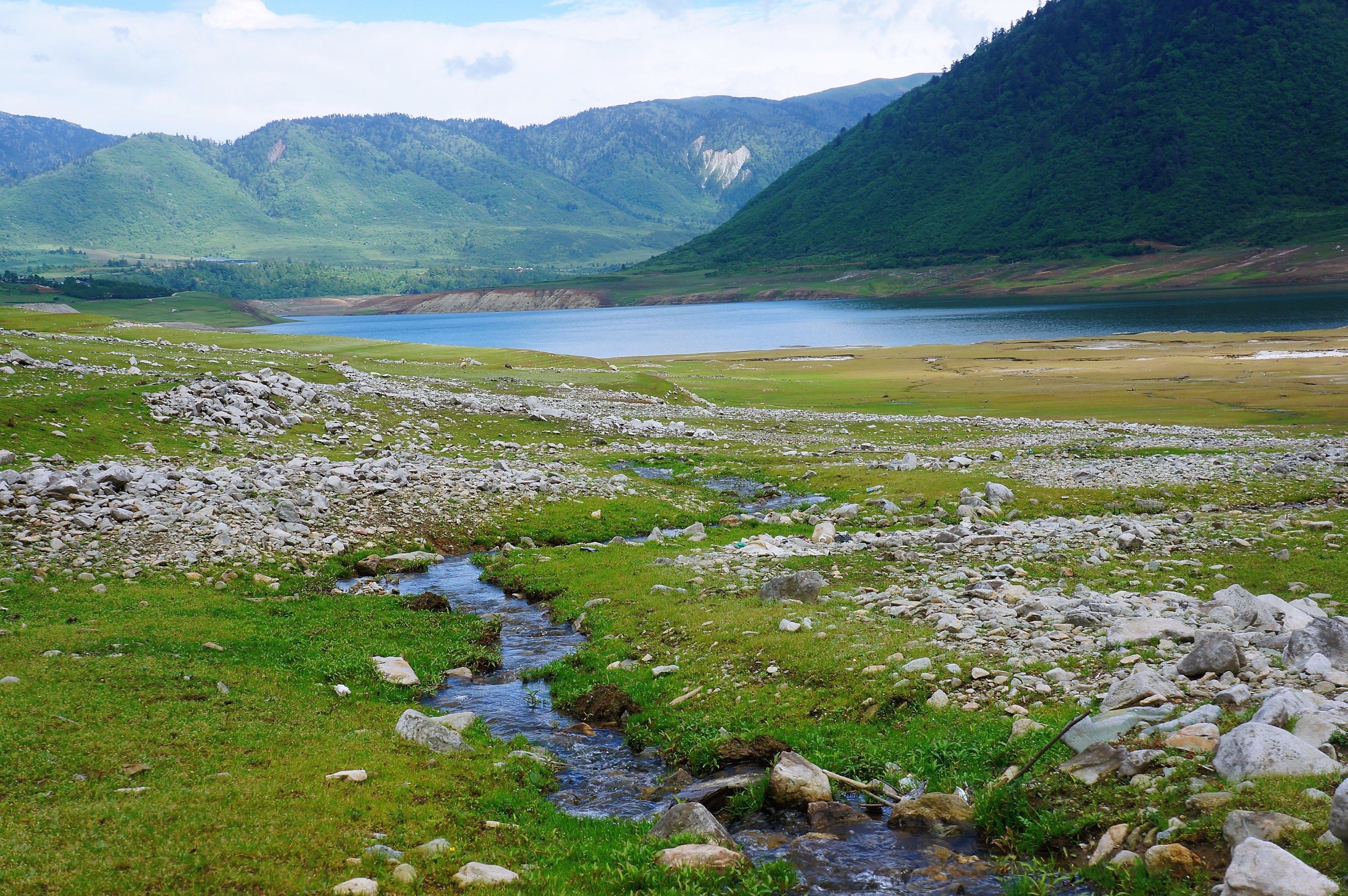
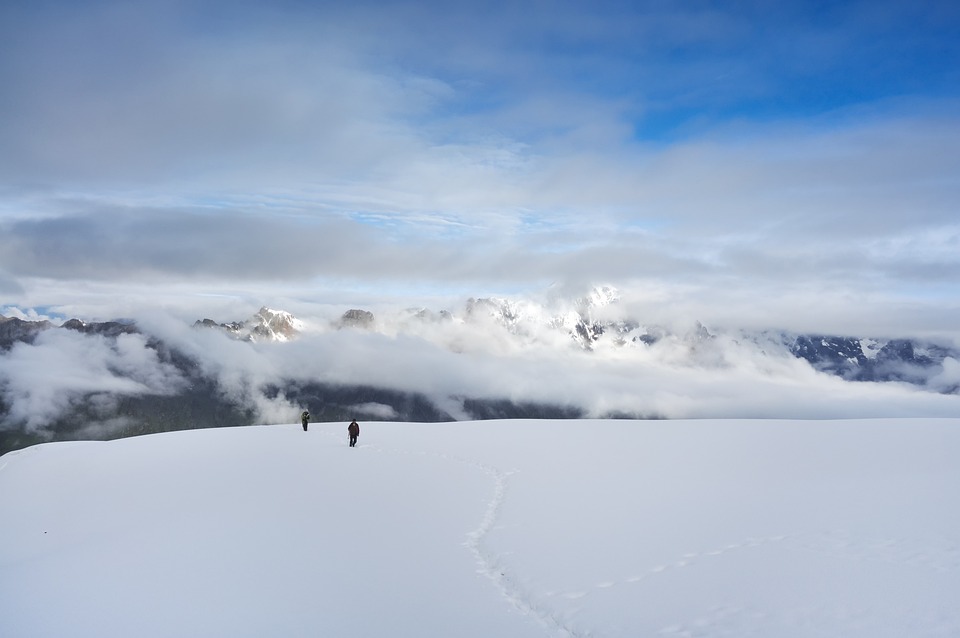
Start with the version of this activity that sounds most like you. This gives us a better first brief; it does not replace the on-the-ground checks a responsible plan needs.
Aim for a well-supported camp with a simple, comfortable overnight.
Share your dates, group, relevant experience and the kind of day you want. We will reply with a thoughtful starting point and confirm what is appropriate for the season.
Start your camping journey brief ↗