Custom wildlife journeys for active travellers. Pandas in the Sichuan hills, cranes on the Yangtze floodplain, snow leopards on the plateau — journeys where the animal sets the schedule.
Wildlife travel is mostly patience: the right habitat, the right hour and a guide who reads the ground better than the map does.
Choose the season first
Read the habitat
Let the animal decide
Where to consider.
These are the three areas we would plan a first wildlife journey around. Access, permits and the state of each reserve are confirmed close to travel, not assumed from a previous season.
Wolong, Sichuan · Chi King · CC BY 2.0
Wolong & Tangjiahe
The Giant Panda National Park’s Sichuan section covers 19,300 km² and holds nearly 1,400 wild pandas. Around the Baixiongping valley in Tangjiahe, takin and tufted deer are routine; the park has built more than 70 nature trails and receives about three million ecological visitors a year. A panda base visit gives context — it is not the same thing as a sighting.
Qinghai plateau · Jonashtand · CC BY-SA 4.0
Sanjiangyuan
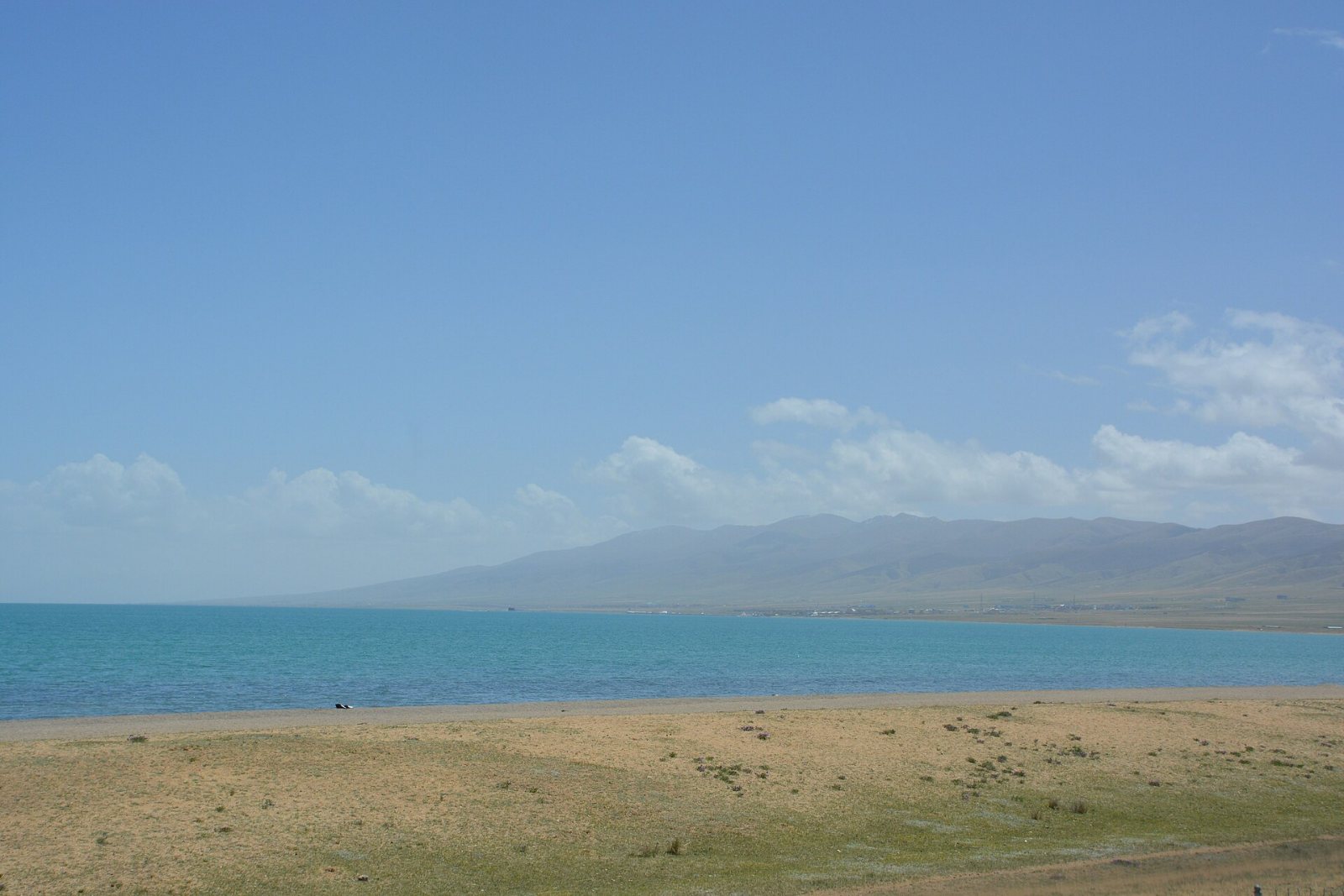
A 190,700 km² national park at an average 4,700 m, protecting the headwaters of the Yellow, Yangtze and Mekong rivers. Surveys published in 2025 put the snow leopard population at about 1,002 — a density near 0.9 per 100 km² — alongside 70,000+ Tibetan antelope and 10,000+ wild yak. Angsai valley runs herder-led nature tourism under a national park concession.
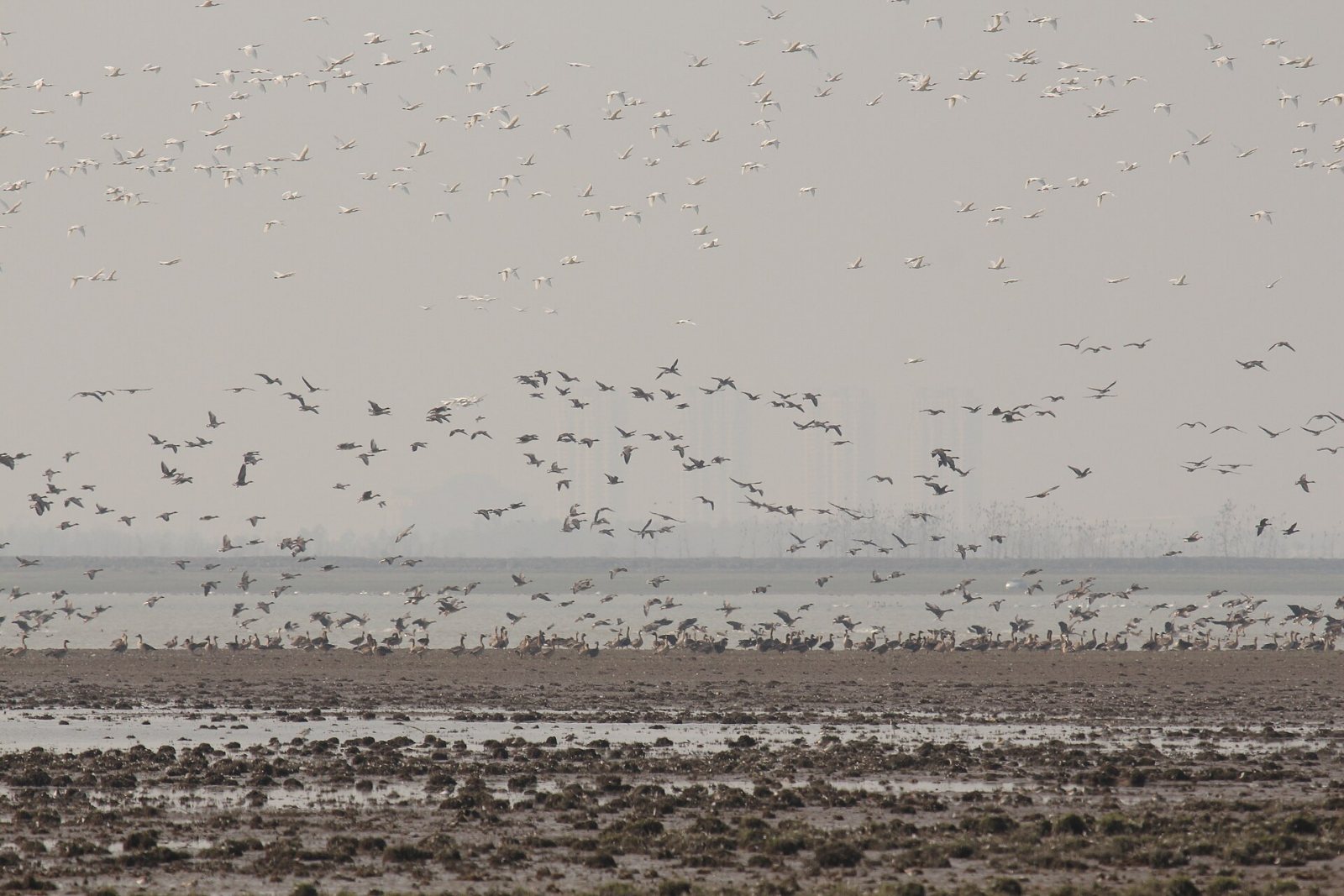
Poyang Lake · A Dim Light Chaser · CC BY 4.0
Poyang Lake
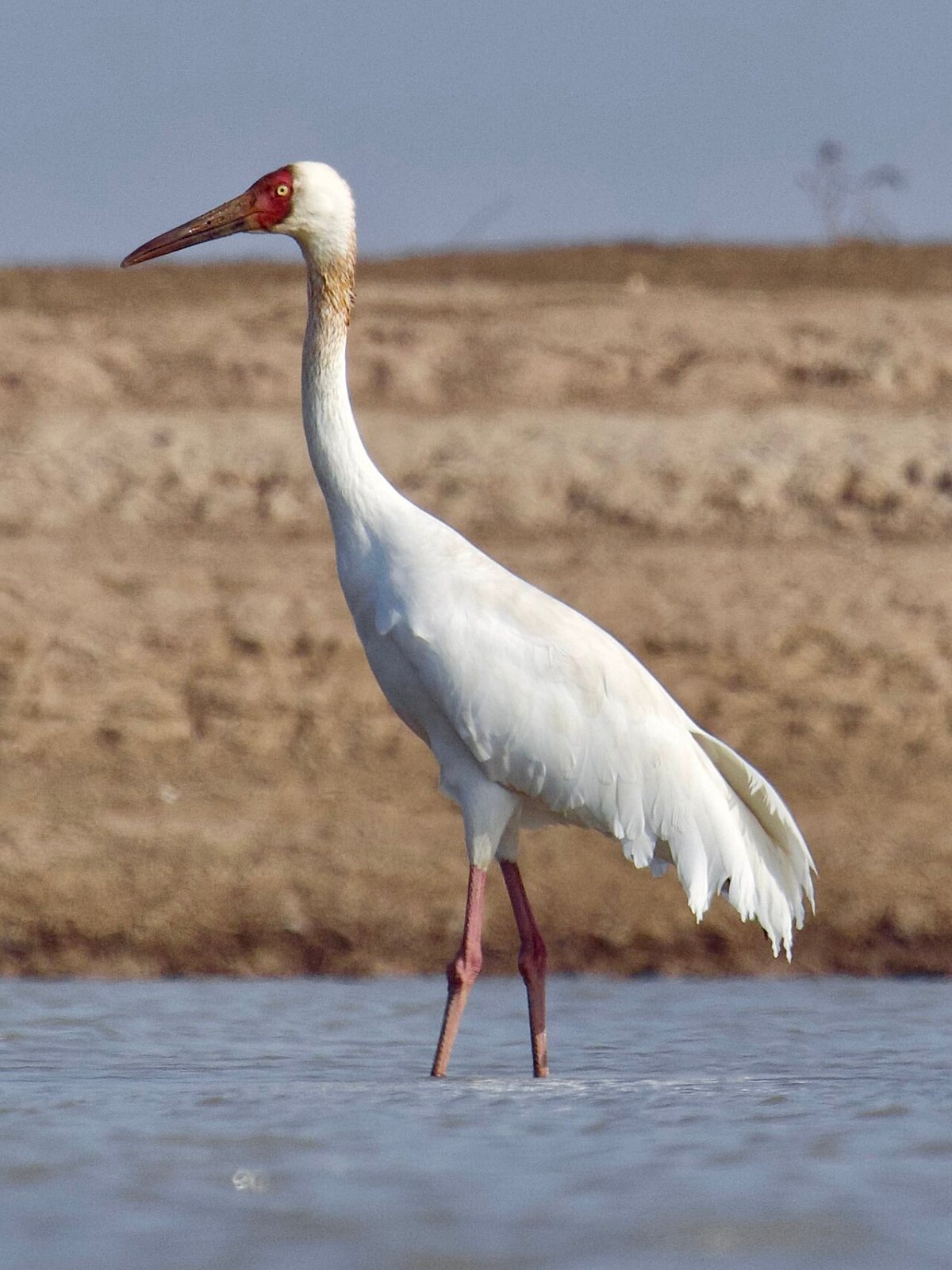
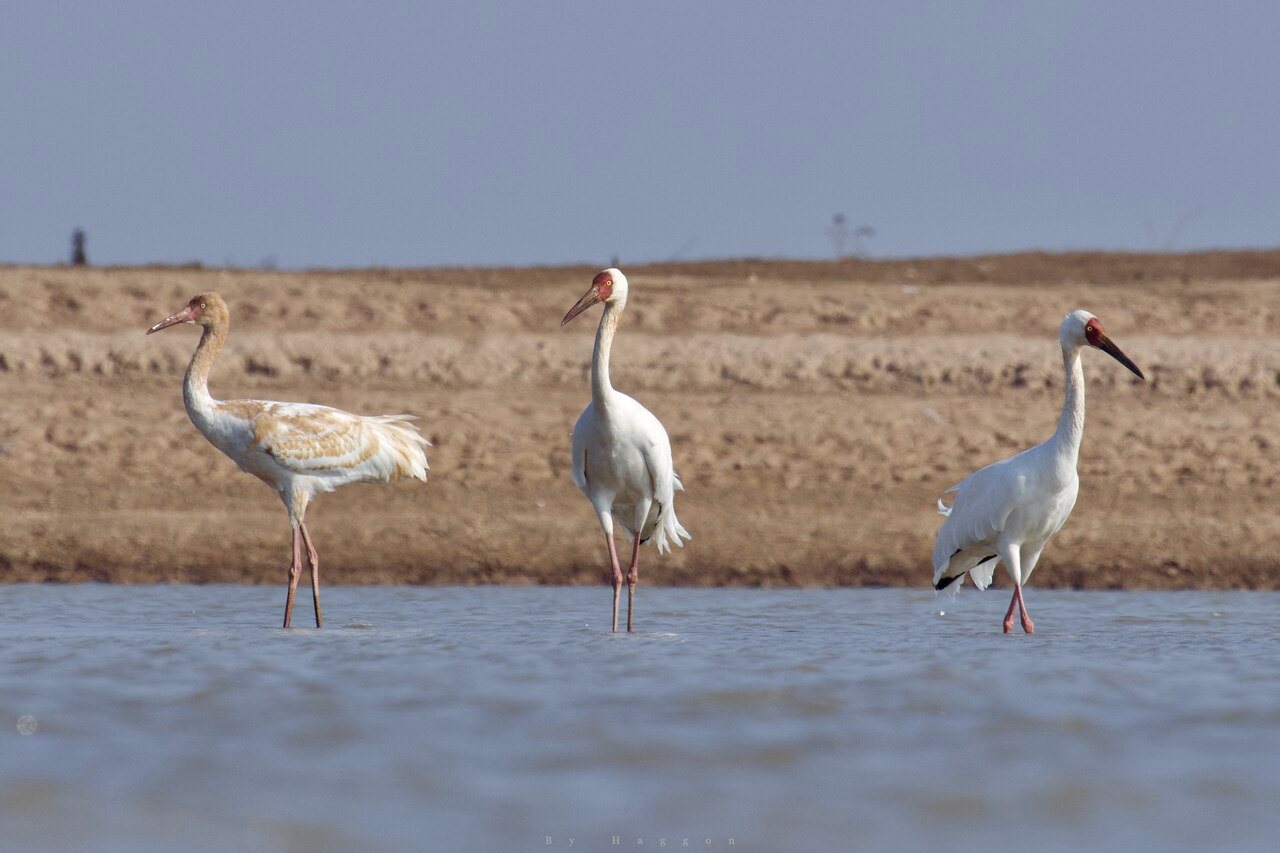
China’s largest freshwater lake drains each winter into a maze of mudflats and shallow pools. Around 700,000 birds of nearly 400 species arrive, including more than 90% of the world’s Siberian cranes and 30,000+ bean geese. The core crane grounds sit inside the national nature reserve at Wucheng.
When to look.
Wildlife is a calendar, not a menu. These windows follow published reserve seasons and survey reporting; weather moves them by two or three weeks.
Species · region
Jan
Feb
Mar
Apr
May
Jun
Jul
Aug
Sep
Oct
Nov
Dec
Giant panda · Wolong1,200–3,000 m · forest tracking
possible, conditions decide
possible, conditions decide
prime window
prime window
prime window
possible, conditions decide
not the season
not the season
prime window
prime window
possible, conditions decide
not the season
Snow leopard · Sanjiangyuan3,700–4,700 m · winter search
prime window
prime window
possible, conditions decide
not the season
not the season
not the season
not the season
not the season
not the season
not the season
possible, conditions decide
prime window
Tibetan antelope · Kekexili4,600 m · calving migration
not the season
not the season
not the season
not the season
possible, conditions decide
prime window
prime window
prime window
possible, conditions decide
not the season
not the season
not the season
Siberian crane · Poyang20–30 m · winter wetland
prime window
prime window
possible, conditions decide
not the season
not the season
not the season
not the season
not the season
not the season
not the season
possible, conditions decide
prime window
Asian elephant · Xishuangbanna750–1,000 m · dry season
prime window
prime window
prime window
possible, conditions decide
not the season
not the season
not the season
not the season
not the season
not the season
possible, conditions decide
prime window
Prime window
Possible — conditions decide
Not the season
Pandas are visible at the breeding bases all year; the tracking window above is for forest searching. Antelope concentrate on the plateau in June and July, when the herds move toward the calving grounds.
China wildlife guide.
What the seasons, the reserves and the animals themselves actually allow — in the order you have to decide them.
What a sighting is actually worth
A wild giant panda is one of the hardest large mammals in Asia to see. The animals sit deep in bamboo, often above 2,000 m, and rangers who work the same valleys for years count encounters in single figures. Plan around the forest, the other mammals and the guiding, and treat a panda as a possibility rather than the purpose of the trip.
Reading the snow leopard odds
Sanjiangyuan holds roughly 1,002 snow leopards across 190,700 km² — about 0.9 animals per 100 km². That density is world-class for the species and still means a great deal of empty ridge line. A realistic week combines valley scanning at dawn and dusk, track and scrape reading, and camera-trap sites with a local team. Plenty of trips end with sign rather than a cat.
Winter is the bird season
Poyang’s spectacle is a winter event: the water drops, the mudflats open, and tubers and snails become reachable. December and January concentrate the cranes; by March the flocks are heading north. Outside November–March the lake is a different, much emptier place, so never plan a summer visit around birds.
Access, permits and behaviour
Core zones in Chinese national parks and nature reserves can be closed, capped or permit-only, and the rules change by season and by site. We confirm current access with the reserve or a local operator before promising a location. No drones, no call playback, no baiting, and a respectful working distance are conditions of travel rather than preferences.
Optics and patience
Binoculars for everyone, one spotting scope per vehicle, and as much lens as you are willing to carry. Days start before first light and end after last. Build in a rest day at altitude, and accept that the best hour is usually the coldest one.
Start with the season, not the species.
The more clearly you describe the group and your experience, the faster we can separate a feasible idea from an unsuitable one.
Which species matter most, and whether the trip still works if they do not appear.
Travel dates plus a two-week margin, because the windows shift with weather.
Altitude experience, and how the group handles cold, early starts and long waits.
Optics you already own, and whether a scope and tripod should be supplied.
Photography goals, and whether the group needs hides or vehicle-based viewing.
Wildlife questions.
Short answers to the questions that shape a sensible first conversation.
Will I definitely see a wild giant panda?
No responsible plan can promise that. The Giant Panda National Park’s Sichuan section holds nearly 1,400 wild pandas across 19,300 km², and they avoid people. A breeding base near Chengdu or Wolong is reliable for seeing the animal; the forest is where you might, with luck and a good local guide.
How realistic is a snow leopard trip?
More realistic than a decade ago, and still uncertain. Sanjiangyuan’s density of about 0.9 animals per 100 km² supports genuine searching rather than a staged sighting, and herder-guides there now work as trackers and photographers. We would plan at least a week on the plateau and treat tracks, scrapes and a distant animal as a good outcome.
When is the best time for Poyang Lake?
Late November to February, with December and January the peak for cranes — the lake is at its winter minimum and the birds crowd the remaining water. Summer is hot, flooded and effectively birdless, so it is not a substitute.
Is a wildlife journey suitable for children?
Family wildlife travel works with shorter drives, a fixed base and honest expectations. Wetland birds and panda bases suit children well; high-altitude leopard searching does not, and we would not present it as a family trip.
Do you use baiting or captive animals?
No. We do not bait, use call playback or handle wildlife, and we do not present a captive animal as a wild sighting. Where a photograph shows an animal inside a reserve facility, the caption says so.
China holds some of Asia’s most remarkable animals, and almost none of them perform on cue. A wildlife journey is planned backwards from the season and the habitat: where a species actually is in a given month, how long it takes to reach, and how much waiting the group will tolerate. We build the days around that, and we say plainly what a week can and cannot produce.
Reality firstWild pandas and snow leopards are rarely seen. Many good days are tracks, sign and patience.
SeasonEvery species has a window: cranes in midwinter, antelope in the summer calving months, elephants in the dry season.
GuidesLocal trackers and reserve staff decide more about the day than the itinerary does.
GroupSmall groups, long lenses, no baiting and no handling.
Route ideas.
These are ingredients, not off-the-shelf promises. We connect them only when conditions, access and your group make sense.
Panda country
Forest trails in Wolong and Tangjiahe, where takin and red panda are realistic and a wild giant panda is a stroke of luck.
Plateau search
Sanjiangyuan and the Kekexili edge: snow leopard, Tibetan antelope and wild yak, mostly above 4,000 m.
Wetland winter
Poyang Lake in December and January, when most of the world’s Siberian cranes stand on the same mudflats.
Start with the version of this activity that sounds most like you. This gives us a better first brief; it does not replace the on-the-ground checks a responsible plan needs.
Plan a Sichuan forest journey around panda habitat, with a base visit for context.
Start your route.
Share your dates, group, relevant experience and the kind of day you want. We will reply with a thoughtful starting point and confirm what is appropriate for the season.