January – April · holding at 175
The reservoir sits at or near its normal pool, releasing for power. The water is high, still, and clear-ish; the shoreline is at its most compressed.
 Start your enquiry
Destinations / Hubei / Season board / The reservoir
The Three Gorges reservoir is drawn down 30 metres every spring and filled again every autumn. That single number decides what the gorge looks like, what is walkable, and when to come.
Explore the guide ↓Xiling Gorge · Sandouping
Every large reservoir is managed, and the Three Gorges is the most managed stretch of river in the world. The operating rule is simple to state: hold the water at 145 metres through the flood season so there is room to absorb a flood, then refill to 175 metres once the flood risk has passed, finishing around the end of October and holding it through the winter.
That is a 30-metre swing, roughly the height of a ten-storey building, applied to a reservoir 600 kilometres long. On the steep sections it changes little. On the wide reaches, the flats and the tributary mouths it changes everything: banks appear and disappear, side channels open, and the shoreline moves tens of metres horizontally.
For a traveller the practical consequence is that the gorge has two quite different appearances, and the one most people have seen in photographs — full water, reflections, red leaves at the waterline — is the late-autumn and winter version, not the summer one.
Four moves, in order.
The reservoir sits at or near its normal pool, releasing for power. The water is high, still, and clear-ish; the shoreline is at its most compressed.
The level is dropped towards the flood limit, exposing banks, slipways and the upper parts of the old towns. This is the window when the shoreline is most visible and least photogenic.
Held at 145 metres. Tributaries run brown, releases are frequent, and the reservoir has its maximum capacity to absorb inflow. The gorge is at its most powerful and its least clear.
The reservoir is filled back to 175 as the flood season ends. The water rises over the exposed banks, the tributaries clear, and the red leaves come down to the new waterline.
Three consequences worth knowing.
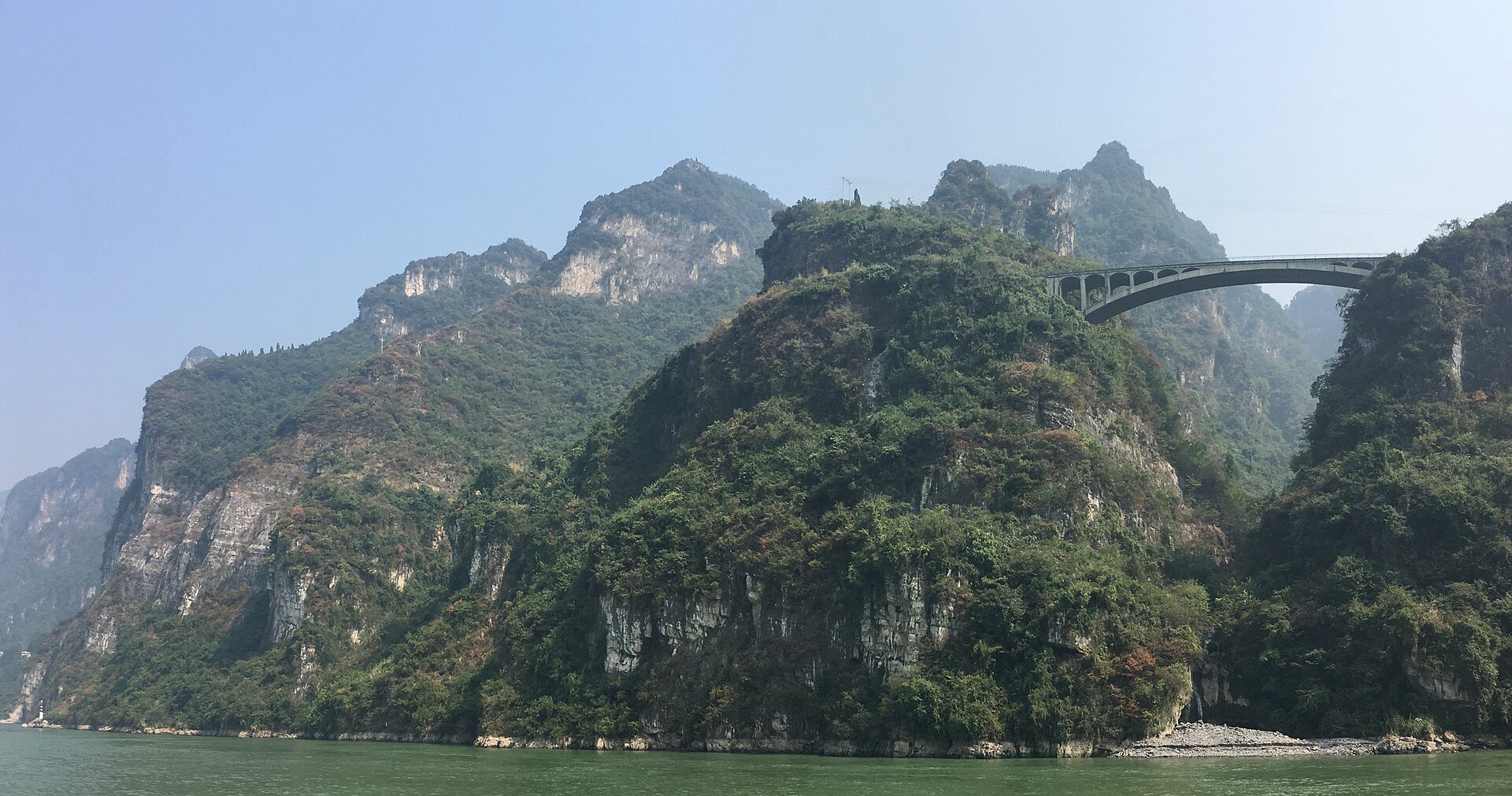
At Qutang, Wu and the steepest parts of Xiling the walls rise 1,000 metres, so 30 metres of water is a small fraction of the section. The gorge still reads as a gorge.
Between the gorges, and in the tributary mouths, the difference is total: mudflats, roads and villages appear at 145 and vanish at 175. This is where the photographs differ most.
Shennong Stream and the Lesser Three Gorges stay narrow and clear because they are drowned least. They are the best place to see what the main river looked like before 2003.
What each window gives you.
The best combination: full reservoir, clear water, dry air and low sun. If you want one window, this is it.
High water, mist, quiet boats and the gorge at its most painted. Cold, and the days are short.
Green walls, high water still, and the drawdown beginning. Good light, fewer crowds than autumn.
Flood season: maximum drama, minimum clarity, and the heat of the year. Go for the engineering, not the scenery.
Tell us the month and whether you want the full-reservoir look or the flood-season one. They are different trips, and the gap between them is six weeks.
Start my journey brief ↗