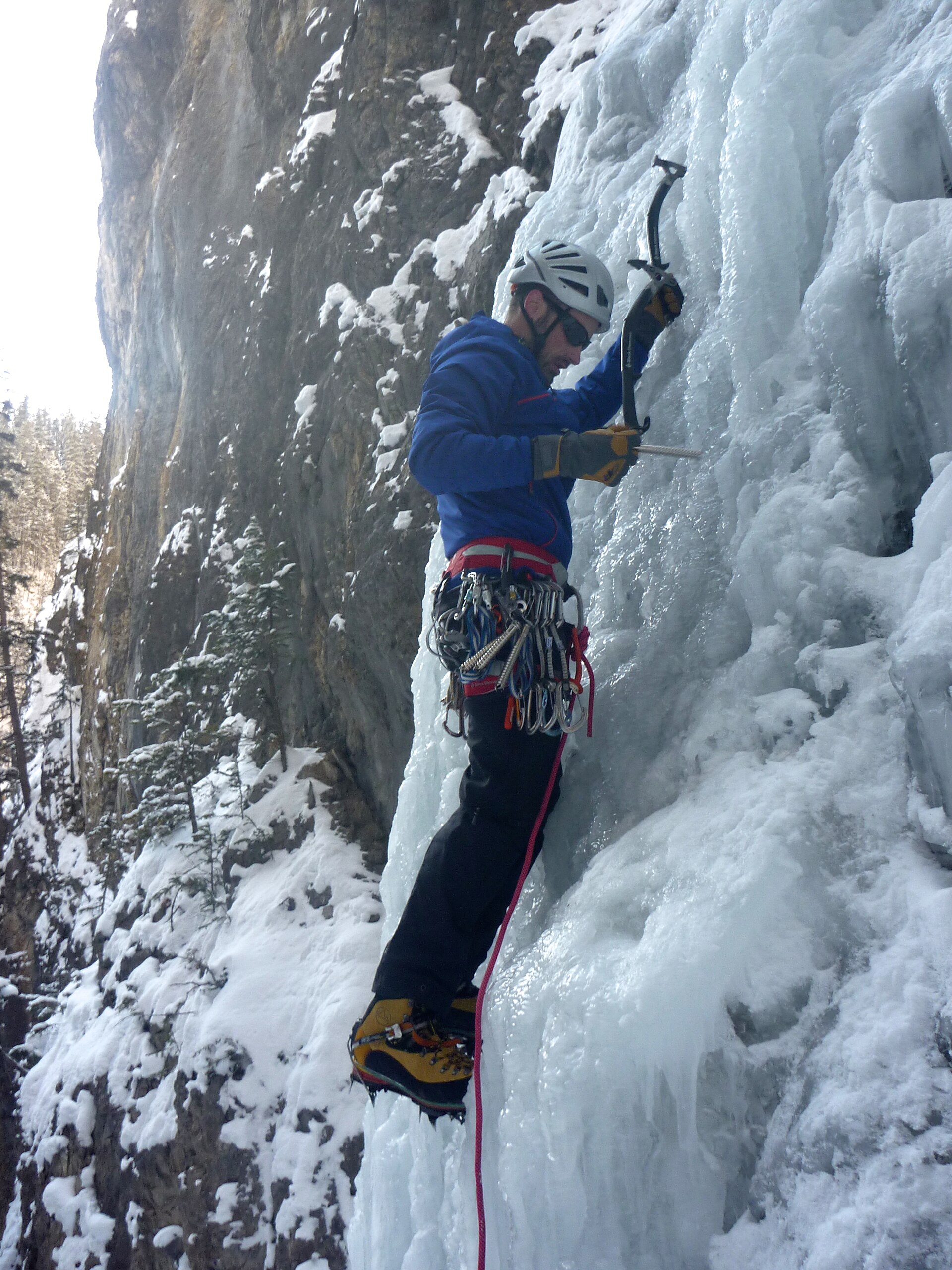
Mount Siguniang · Shuangqiao Valley
A high-mountain winter setting with established ice-climbing interest. Best for travellers who want a technical activity inside a fuller mountain journey.
 Start your route ↗
Custom ice-climbing journeys for active travellers. A winter objective shaped around your climbing background, the ice and specialist local leadership.
Shape this activity ↓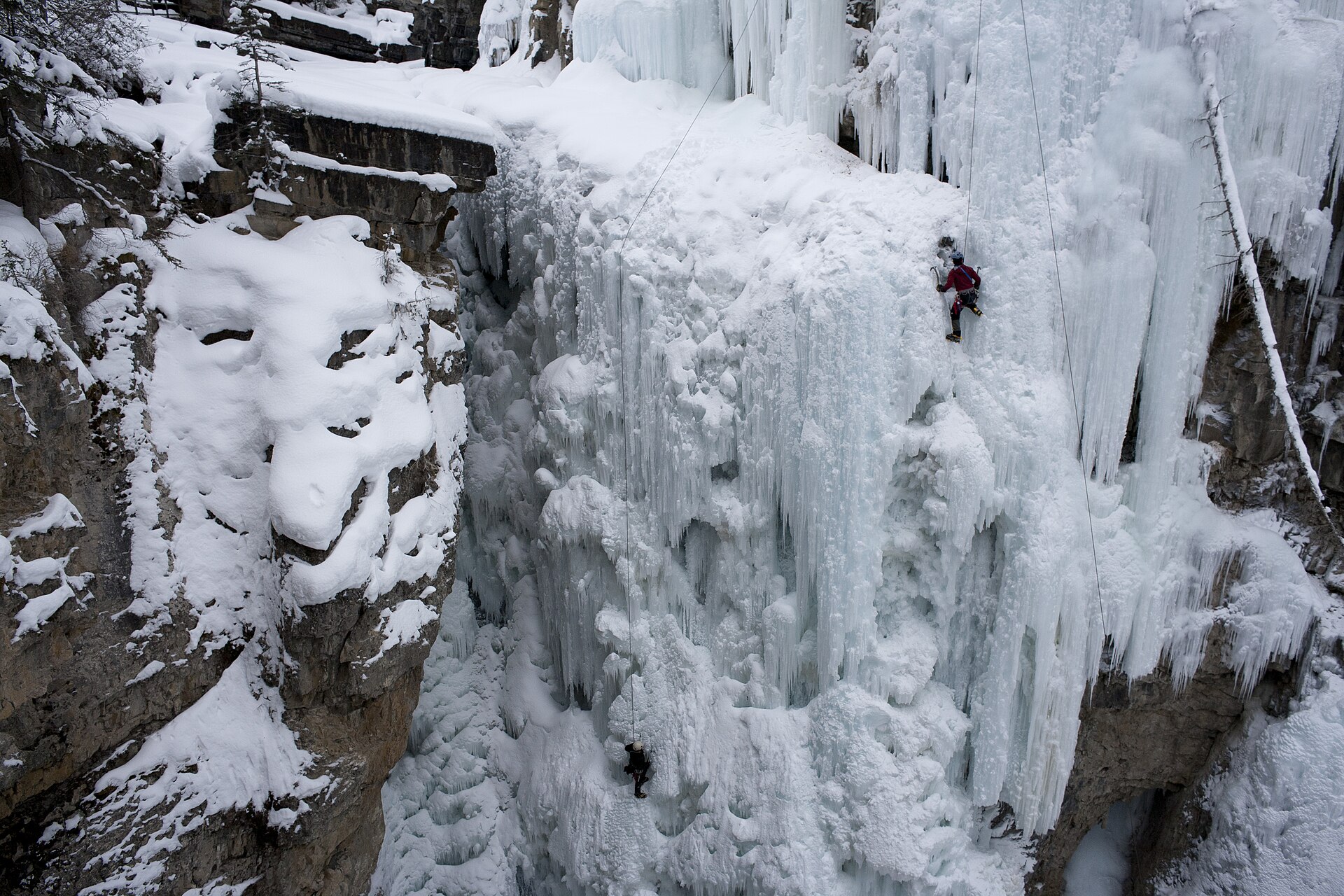
Ice is never a fixed backdrop. Instruction, temperature and the condition of the route determine the objective for that day.
These are planning regions, not guaranteed departures. We confirm current access, the local team and the right experience level before recommending a specific venue.
A high-mountain winter setting with established ice-climbing interest. Best for travellers who want a technical activity inside a fuller mountain journey.
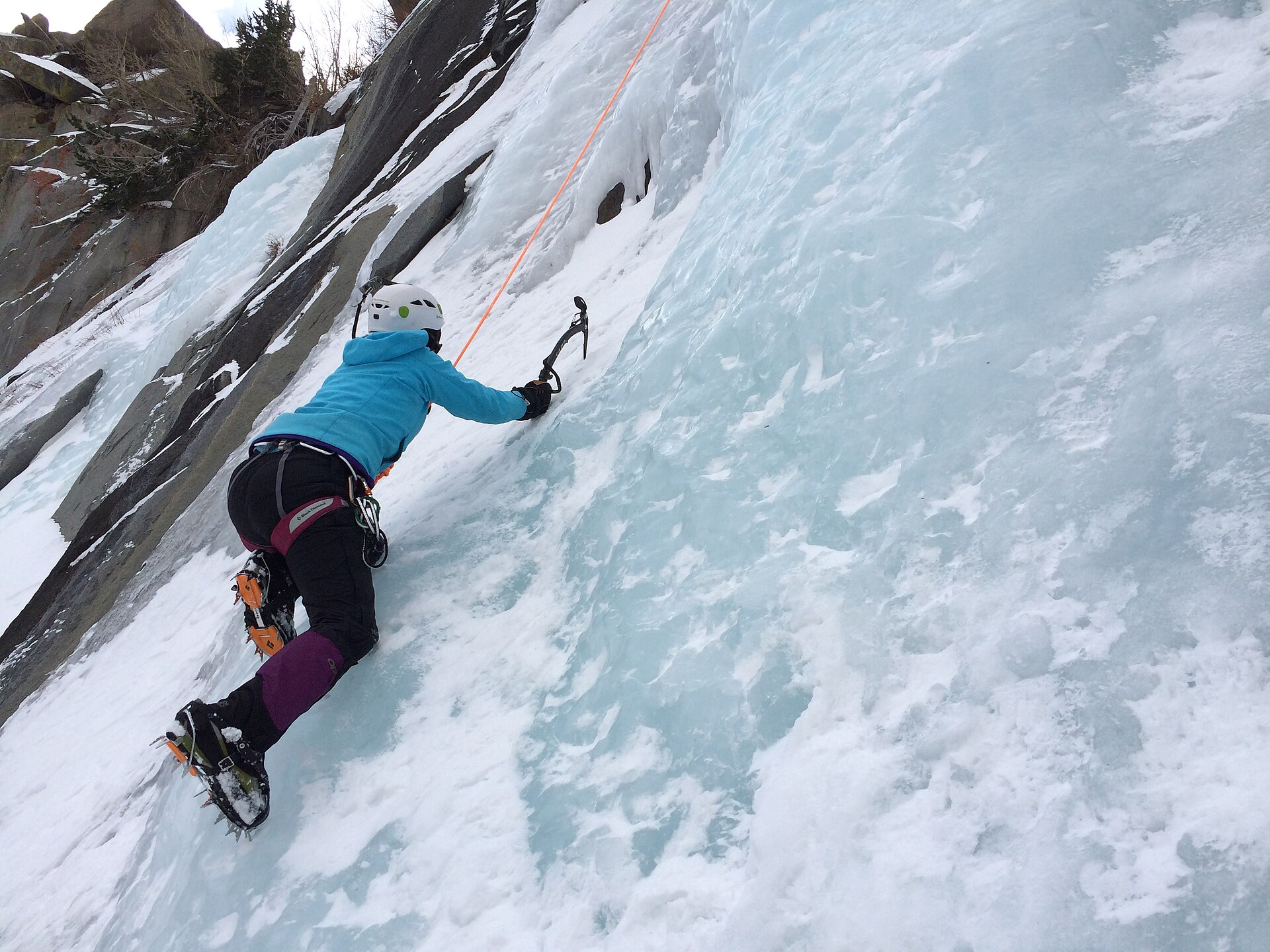
A practical western-Sichuan candidate to assess when the trip is built around winter mountain conditions and a qualified local team.
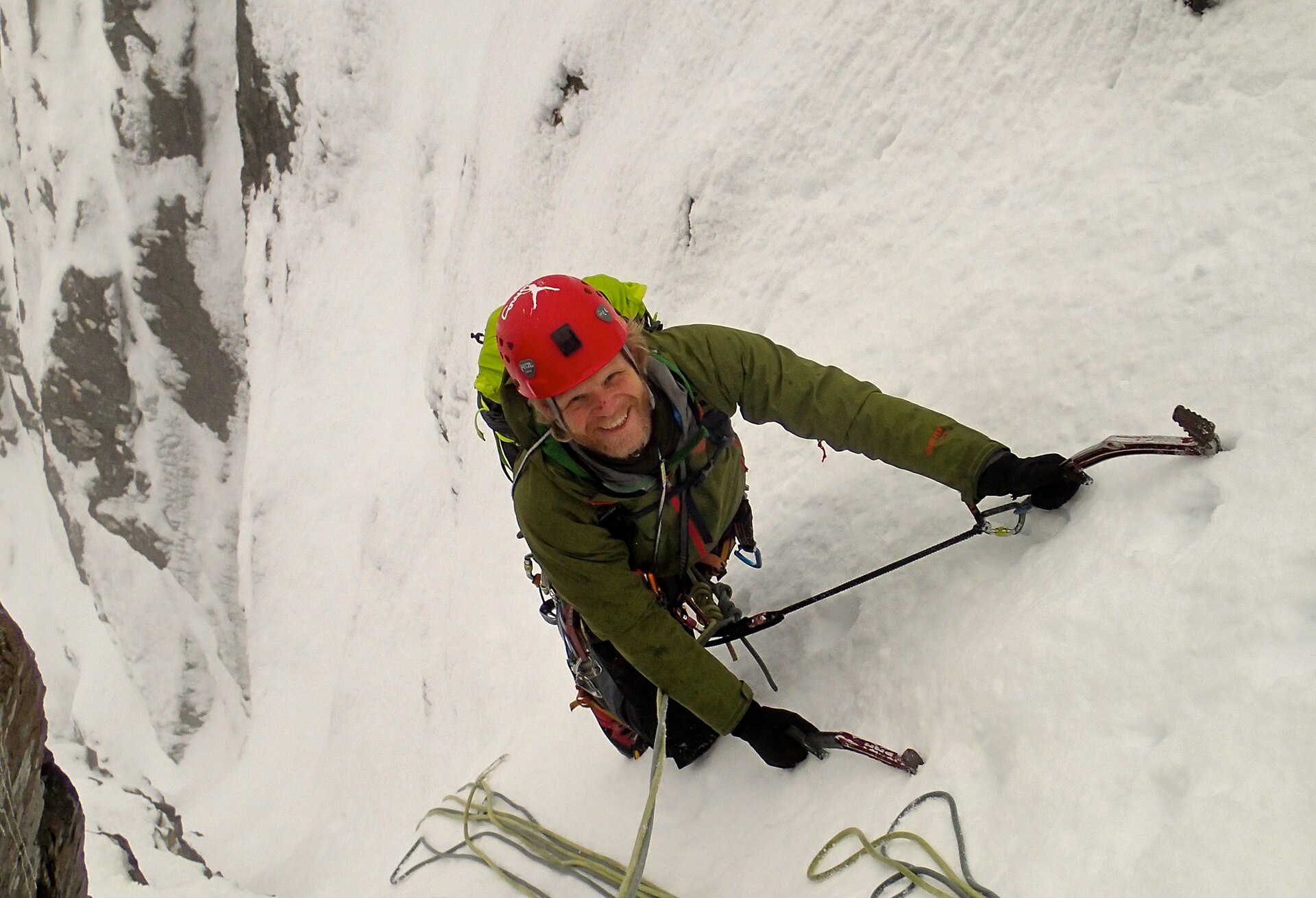
A seasonal option to explore for Beijing-based travellers, where the available sites, instruction and current operating arrangements must be checked before proposing a day.
Use this as a practical starting point, not a substitute for local instruction or a current conditions assessment.
Winter is the usual planning window, but a useful period can be shorter or longer depending on altitude, temperature, water flow and access. Treat dates as a starting point, then confirm the venue close to departure. In Yanqing, Yudu Mountain announced a December-to-mid-March season for 2025–26; that does not establish future opening dates.
A beginner can join an introductory, instructor-led day at an appropriate venue. It should be built around fitting equipment, movement on low-angle ice, rope systems and a controlled progression — never an independent attempt or a promised grade.
WI is the commonly used waterfall-ice difficulty system. A higher number indicates a harder route, but grade alone is not a safety judgement: length, temperature, protection, approach and the day’s ice all matter.
Bring warm, layered clothing that still lets you move, waterproof shell layers, insulated gloves with a spare pair, warm socks, eye protection, a personal water system that will not freeze and a small day pack. Technical equipment should be selected, fitted and checked with the guide or operator.
A high-mountain setting adds cold, travel time and potential altitude stress to an already technical activity. We build acclimatisation, conservative first days and a lower-effort alternative into the wider route.
The more clearly you describe the group and your experience, the faster we can separate a feasible idea from an unsuitable one.
Short answers to the questions that shape a sensible first conversation.
Not necessarily for a first, instructor-led session. We will ask about general fitness, comfort with heights, previous climbing and cold-weather experience before suggesting a venue or format.
This depends on the specific local operator and current programme. We confirm what technical equipment is supplied, what must be personal, how it is fitted and what back-up items are available before you book.
It is not a standard family sightseeing activity. A family enquiry needs an age-by-age assessment, an appropriate public training venue and qualified local instruction; sometimes another winter activity is the better choice.
Start the conversation early if you need fixed international flights, a private guide or a group arrangement. The actual climbing decision remains conditional on ice, weather, access and staffing close to the date.
The local team reassesses the venue and route. The day may shift to a safer objective, a skills-focused session, another winter activity or a non-climbing alternative. A flexible itinerary is part of responsible planning.
Planning references: Yudu Mountain ice-climbing season and grades · American Alpine Club: ice climbing and avalanches · Mountaineering Scotland: choosing ice axes
Ice climbing is a technical activity, not a standard sightseeing add-on. The right objective depends on your previous climbing experience, the season, access and whether conditions create a safe, appropriate venue.
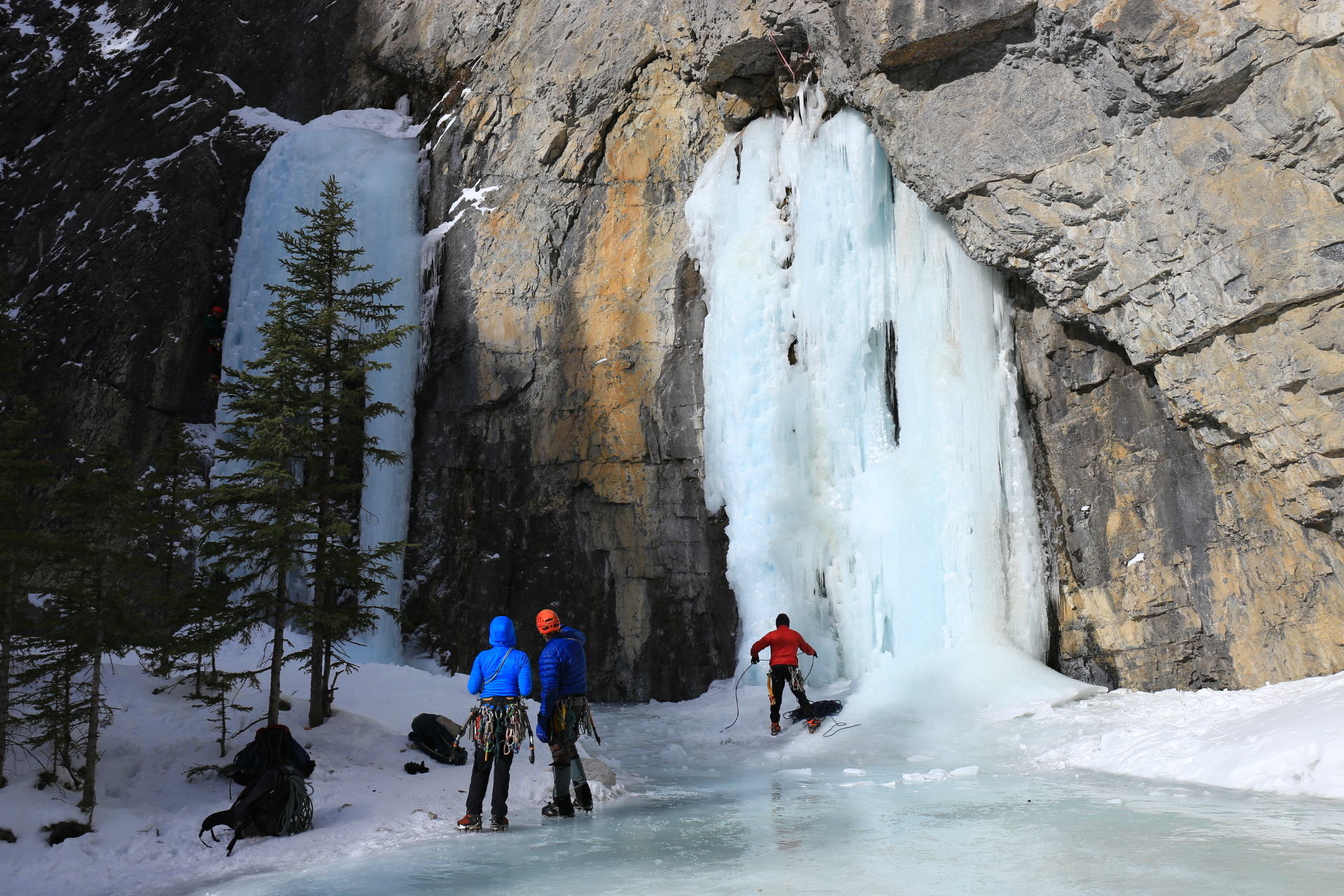
These are ingredients, not off-the-shelf promises. We connect them only when conditions, access and your group make sense.
An introduction prioritises instruction, fit of equipment and a controlled setting.
Experienced climbers can discuss a progression goal with clear details of prior experience.
Place a climbing objective inside a broader route with rest, warmth and contingency days.
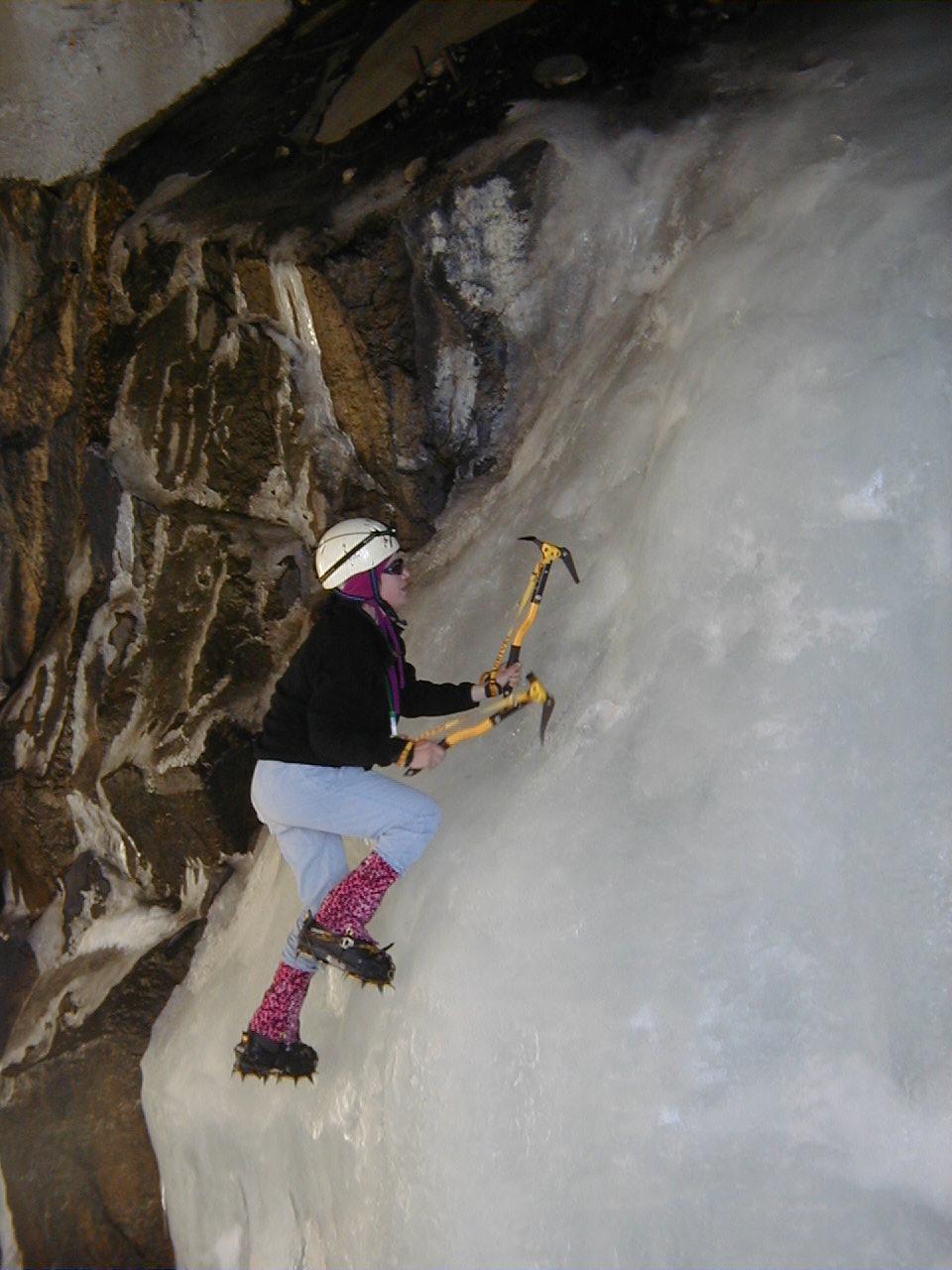
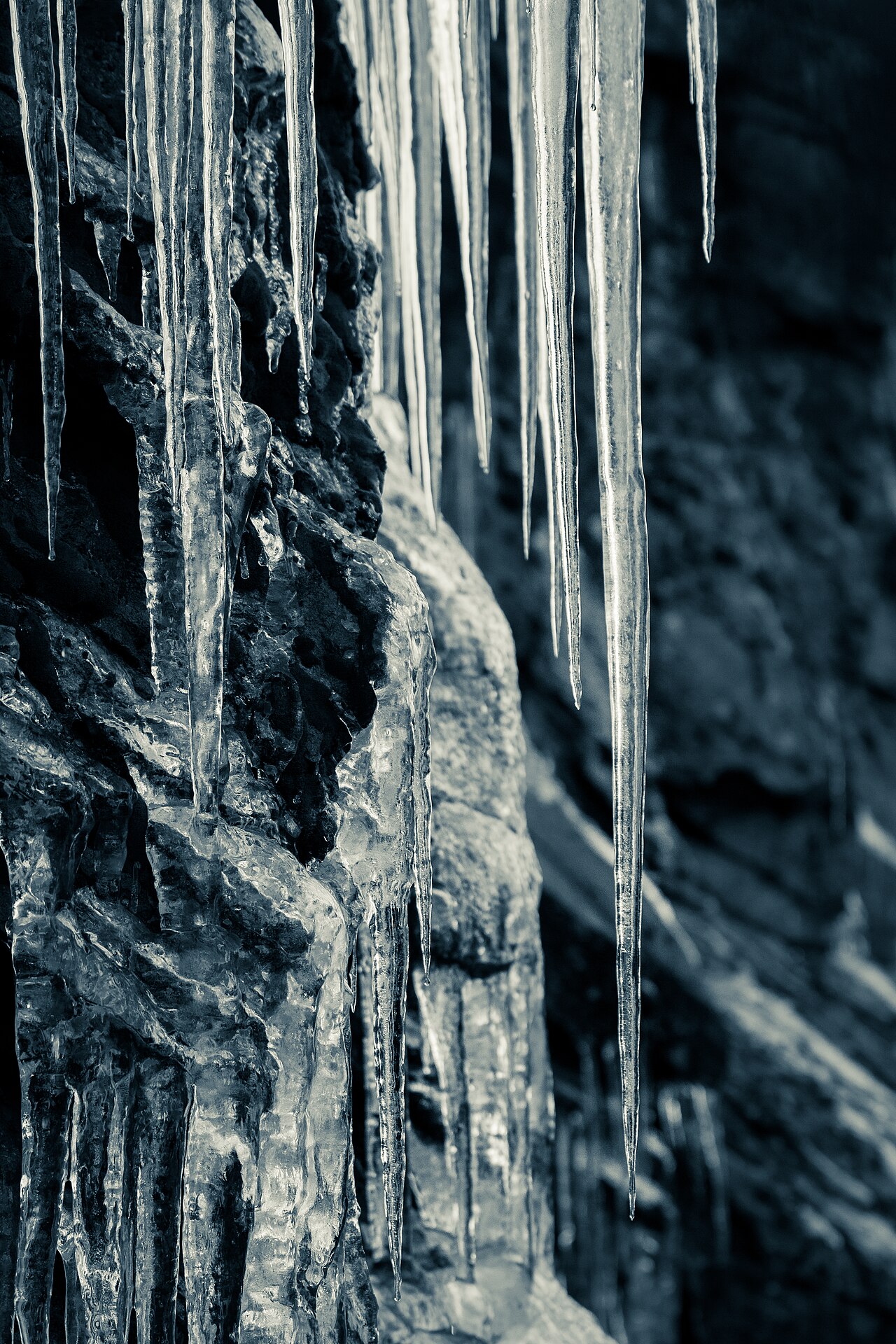
Ice climbing reference images: Ice Climb on Ben Nevis — Masa Sakano, CC BY-SA 2.0 · Ice Climber Grotto Falls Canmore — Laurel F, CC BY-SA 2.0 · Ice Climbing Lee Vining California — Tim Berger, CC BY 2.0 · Ice Climbers on Frozen Waterfall — Johnston Canyon — Wilson Hui, CC BY 2.0 · Ice Climbers at Frozen Waterfall in Grotto Canyon — Wilson Hui, CC BY 2.0 · Ice-climbing.jpg — jhull, CC BY 2.0 · Frozen Waterfall — Yosemite — Barney Moss, CC BY 2.0
Start with the version of this activity that sounds most like you. This gives us a better first brief; it does not replace the on-the-ground checks a responsible plan needs.
Explore an instructional first ice-climbing experience, conditional on a suitable venue.
Share your dates, group, relevant experience and the kind of day you want. We will reply with a thoughtful starting point and confirm what is appropriate for the season.
Start your ice-climbing journey brief ↗