
South-east China
Destinations / South-east China
Jiangxi.
Porcelain towns, rapeseed terraces, granite spires and a lake that holds most of the world’s Siberian cranes. Jiangxi is the quiet middle of the south-east — and the wettest province on the route.
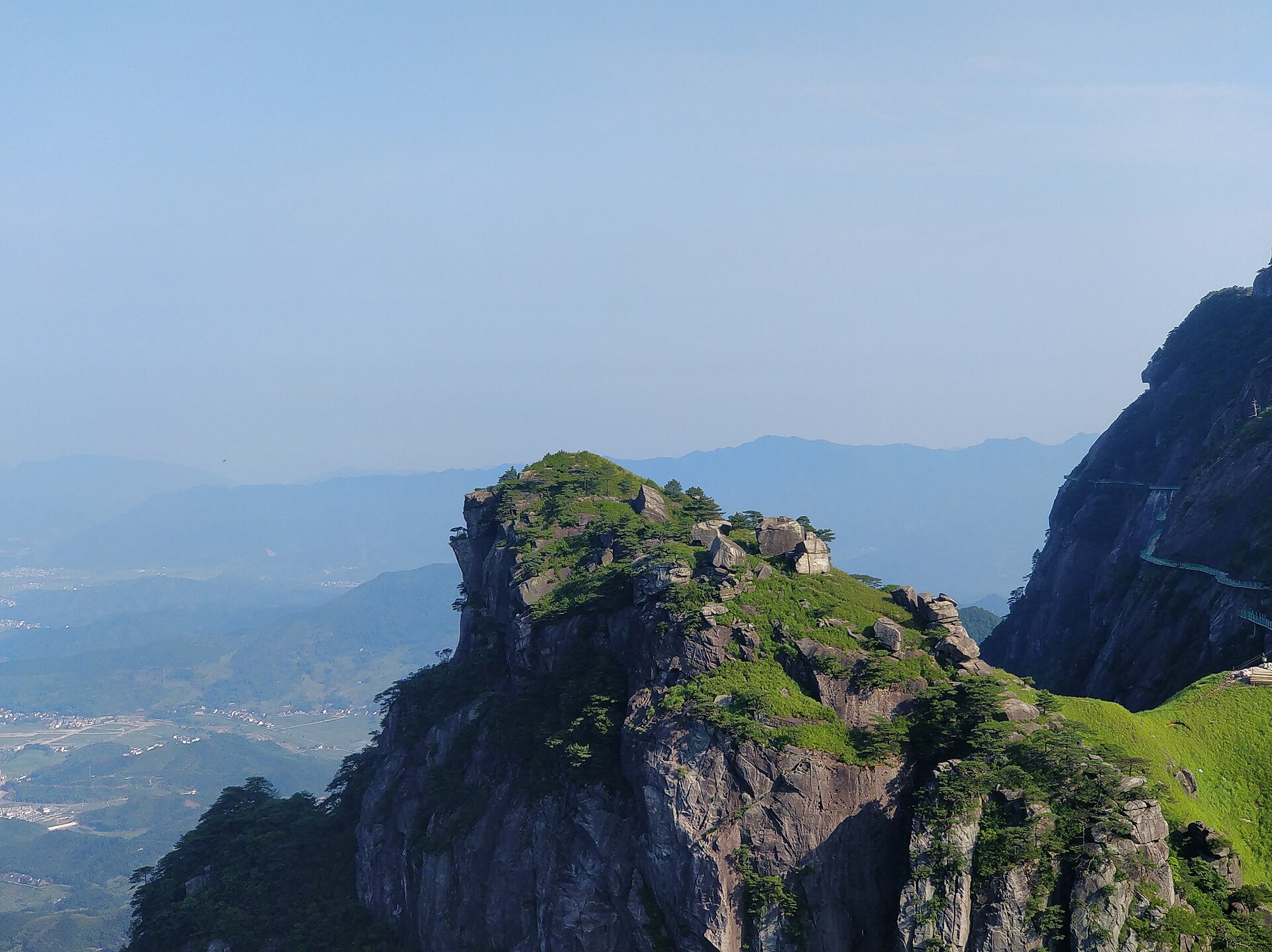
1,817 m Yujing Peak on Sanqingshan, whose granite forest was inscribed by UNESCO in 2008
01 / Read the province
A province shaped like a basin.
Jiangxi is ringed by mountains with the Gan river running south to north through the middle into Poyang Lake. The village country and the porcelain city sit in the north-east, the granite peaks on the eastern rim, the meadow ridge on the western one.
- 01
Nanchang
Rail hub, the Gan river
- 02
Jingdezhen
Kilns · porcelain since 1004
- 03
Wuyuan
Huizhou villages & rapeseed
- 04
Sanqingshan
Granite · 1,817 m
- 05
Lushan
Hill station · 1,474 m
- 06
Wugongshan
Meadow ridge · 1,918 m
Rail is the reason Jiangxi works: Nanchang to Jingdezhen is two and a half hours, to Shangrao seventy minutes, and the Wuyuan and Sanqingshan stations are on the same high-speed line. The lake and the western meadow are the two places you still need a road for.
What to see where ↓02 / Choose a landscape
Three Jiangxis, not one.
The porcelain-and-village north-east, the mountain rim, and the wet west. Two of the three make a good week; all three make a fortnight of driving.
Villages & porcelain
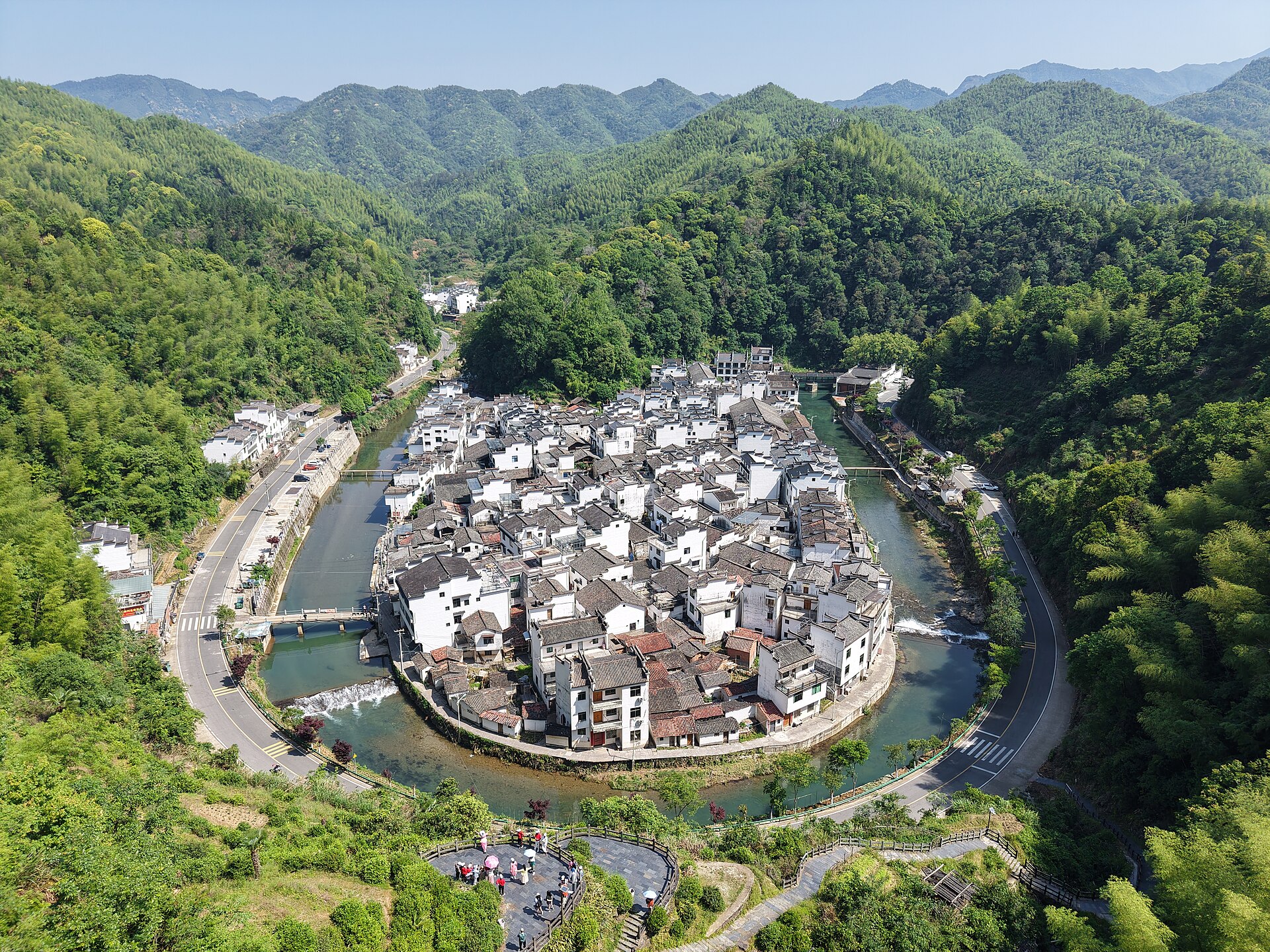
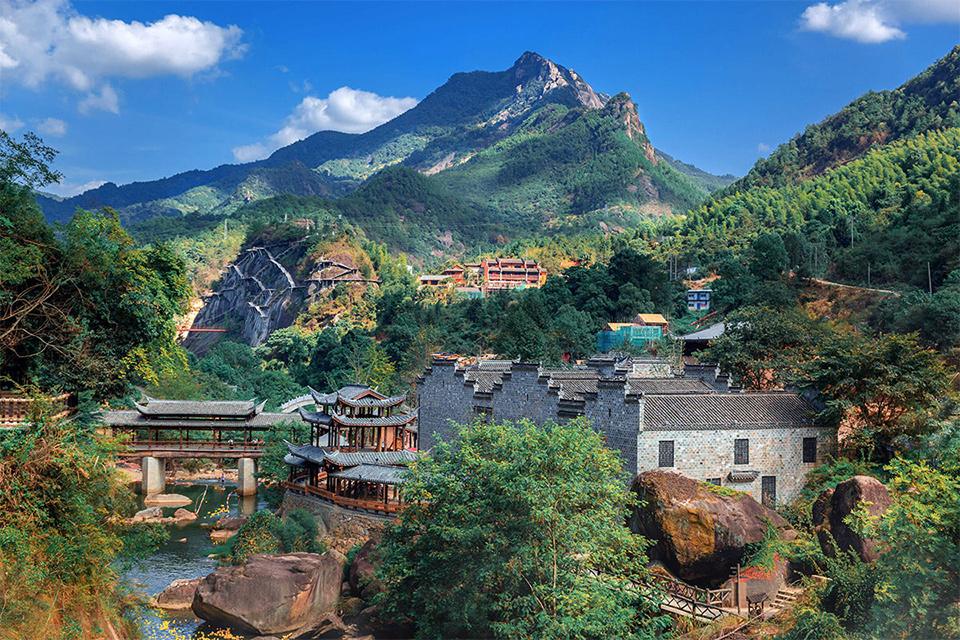
Wuyuan’s white-walled villages and terraced fields, and Jingdezhen’s kilns forty minutes away: the densest concentration of surviving Huizhou architecture anywhere, with the craft that paid for it.
Into the village country ↗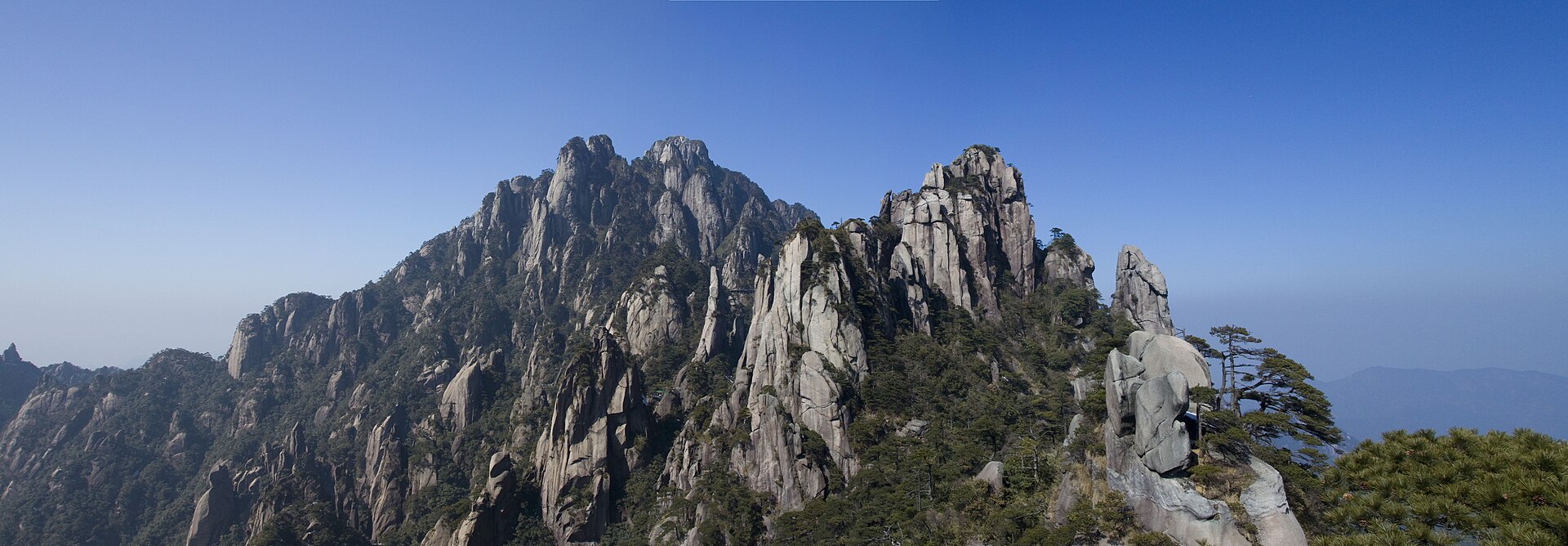
The granite rim
Sanqingshan’s pillars and pines, and Lushan’s cloud-covered ridge with its 1920s villas: two very different mountains, both within three hours of Nanchang by rail.
Up onto the ridge ↗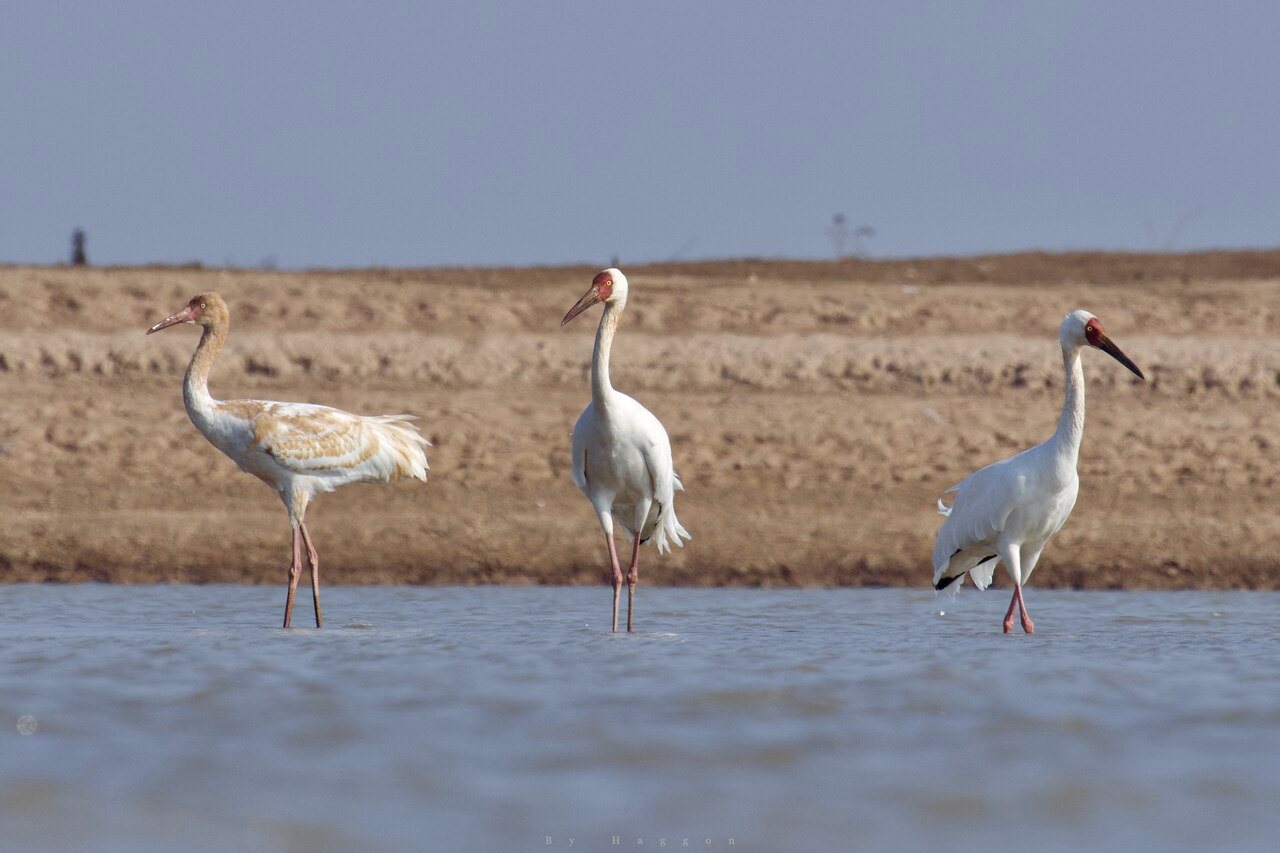
The lake & the meadow
Poyang, China’s largest freshwater lake, fills in summer and drains into a maze of channels in winter — which is when the cranes arrive. West of it, Wugongshan’s grass ridge runs for fifty kilometres.
To the water and the grass ↗03 / Pick your month
Rapeseed, plum rain, cranes.
Jiangxi has three seasons that matter and one that does not. The rapeseed window is short and moves; the plum rains are reliable; the cranes come when the lake drops.
Open month Cold, closed or limited Best window
Mid-March – early April · Rapeseed
The terraces at Jiangling and around Wuyuan turn yellow for about three weeks, moving uphill as the month goes on. It is the busiest fortnight of the Jiangxi year, and the only one where accommodation needs booking months ahead.
June – August · Heat and rain
The plum rains arrive in June and the province is hot, humid and green until September. Waterfalls are at their best, the mountains are ten degrees cooler than the plains, and afternoons storm.
November – February · Cranes
Poyang drains, the mudflats open and the Siberian cranes arrive from October, peaking in December and January. Lushan and Sanqingshan in winter are quiet, cold and often above the cloud.
04 / Stay curious
Fired, picked and flooded.
Three crafts built this province: porcelain, tea and rice. All three still shape where the roads go and what the villages look like.
- 01
Porcelain
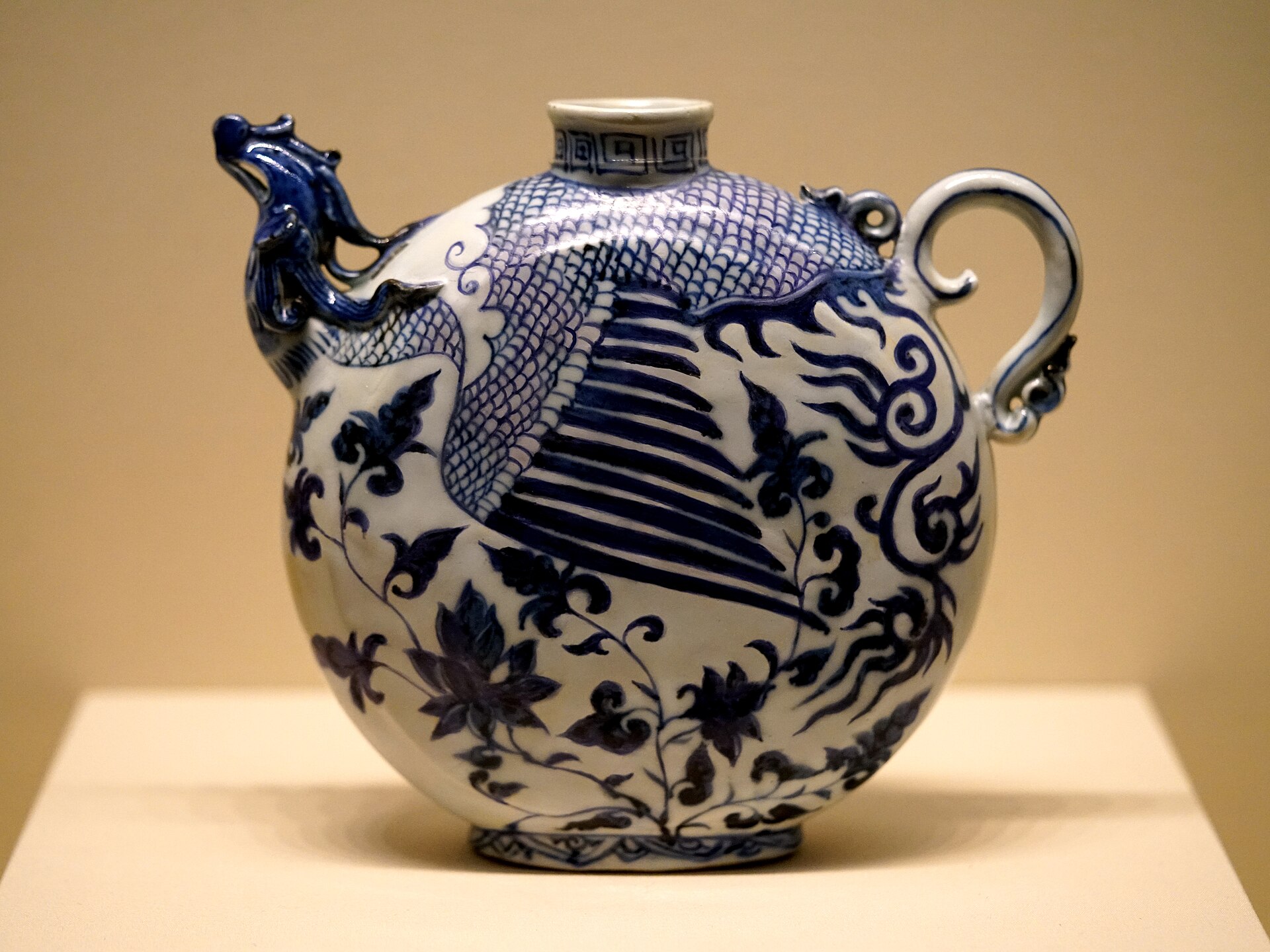
Jingdezhen has been firing imperial ware since the Ming set up the imperial kiln in 1369, using kaolin from Gaoling — the hill that gave the mineral its name. The old workshops still throw, paint and fire, and the kiln ruins under the city are open.
- 02
Tea
Wuyuan and the hills around it grow green tea that went north to the steppe and west to Europe. The picking calendar is April, and the villages fill with pickers and buyers for six weeks.
- 03
Rice, and the water that grows it
Poyang’s floodplain is the rice bowl of the province. The lake’s annual rise and fall is the reason the villages sit on ridges and the fields sit behind dikes — and the reason the cranes have anywhere to stand in January.
05 / Go deeper
Two fixed trips, and the shapes between them.
Jiangxi is a province we mostly run as a private route, because the good parts are between the stations. Two journeys have fixed shapes: a winter crane week on Poyang and a three-day weekend on the Wugongshan meadow.
Everything else — the village country, the porcelain city, the mountains — is assembled to the season you travel in.
06 / Before you go
The useful details.
Jiangxi is easy to travel and hard to photograph in the rain. Three things settle most of the practical questions.
It rains, seriously
1,600–1,900 mm a year, most of it between March and June. A proper shell, dry bags and shoes with grip matter more here than in most of China; the mountains are wet stone for months.
Stairs, cable cars, and knees
Sanqingshan, Lushan and Wugongshan all involve significant vertical gain. Cable cars take most of it, but the good walking is above the top station — expect 500 to 1,500 steps in a day and plan the descent accordingly.
Rail beats road
The high-speed line links Nanchang, Shangrao, Wuyuan and Jingdezhen, and stations are close to the sights. Hire a car and driver only for Poyang’s back roads and the western meadow.
Keep exploring
Go one layer deeper.
07 / Common questions
The questions that come up first.
What travellers ask before a Jiangxi route takes shape.
01When exactly is the rapeseed?
Roughly 10 March to 5 April at Wuyuan, with the terraces at Jiangling peaking in the middle of that window and the higher fields later. It moves by a week or two each year; we confirm with the county before booking.
02How many days does Jiangxi need?
Five days for the north-east alone; eight to ten for the villages, one mountain and the lake.
03Is Sanqingshan hard?
The cable car takes you to about 1,600 metres; the circuits above are 500 to 1,500 steps of stone stair with handrails. Fit walkers do it in a day; knees decide more than lungs.
04Can I see the cranes without a tour?
Yes, but not well. The birds are on working farmland and mudflats, the good hides are booked by photographers, and a guide who knows the wardens’ rotation doubles what you see.
05How wet is it?
Very. The province gets 1,600–1,900 mm a year and the mountains are cloud-covered much of the spring. That is also why they are green.
06Is Jingdezhen worth more than a day?
Two days if you want to watch a kiln being fired, which happens on a schedule rather than on demand. One day covers the museum and the old workshops.
07Do I need a permit anywhere?
No. Jiangxi has no permit system for foreign visitors; the mountains and the lake are ordinary domestic tourism sites.
08Can I combine it with Anhui or Fujian?
Easily. Wuyuan is on the Anhui border and forty minutes from Huangshan by rail; Wuyishan is an hour south on the same line.
Something not covered here? See how a private route is put together ↗ or send us your question ↗
Your Jiangxi.
Tell us the month first. Rapeseed, plum rain and cranes are three different provinces, and the route changes completely between them.
Start my journey brief