The imperial kiln site
The excavated workshops and kilns of the Ming imperial factory, under a protective hall, with a museum of rejects — the shards that make dating possible.
 Start your enquiry
Destinations / Jiangxi / Jingdezhen
A city that has made porcelain for a thousand years, supplied the imperial court from 1369, and still has working kilns, throwing workshops and a craft economy that never stopped.
Explore the guide ↓North-east Jiangxi · the Chang river
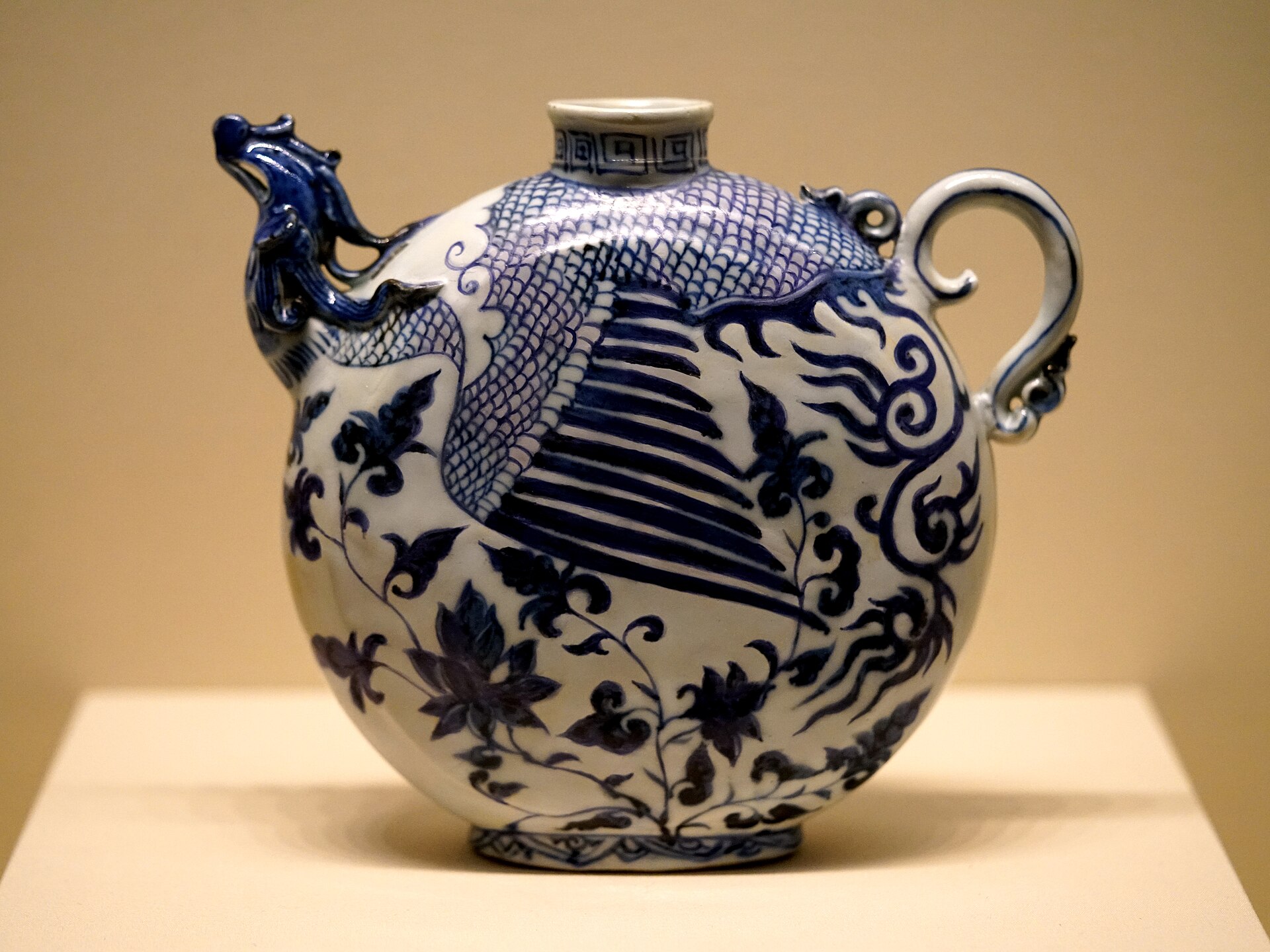
Jingdezhen sits in a basin on the Chang river, surrounded by the hills that supplied its two raw materials: porcelain stone and kaolin, the white clay from Gaoling hill that gave the mineral its name. It has been firing since the Song, and in 1369 the Ming court set up an imperial kiln here, which is why the best blue-and-white in the world has this city’s name on it.
The old city is being rebuilt around its own history. The imperial kiln site is an archaeological park in the centre, with the foundations of the workshops and a museum of shards; the Taoxichuan district occupies a 1950s state factory and now holds studios, galleries and a weekend market full of people in their twenties selling their own work.
What makes Jingdezhen different from a porcelain museum is that the whole process is still here: clay being levigated, wheels being thrown, brushes being cut, kilns being fired on a schedule you can watch. Two days is enough to see it properly; three lets you make something.
Ruins, workshops, and a market of people making things.
The excavated workshops and kilns of the Ming imperial factory, under a protective hall, with a museum of rejects — the shards that make dating possible.
A rebuilt complex of kilns and workshops with craftsmen demonstrating the full process: throwing, trimming, painting, glazing, and a wood-fired kiln.
A state porcelain factory converted into studios, galleries, cafes and a weekend craft market. The best single place to buy contemporary work directly.
A wooded valley of independent studios and guesthouses outside the city, where ceramicists from across China and abroad work in residence.
A city that works all year.
Mild, green and wet. Combines naturally with Wuyuan’s rapeseed, which is 25 minutes away by rail.
The best months: dry, clear and cool, with the kilns firing ahead of the winter orders.
Cold and damp, but the workshops are quiet and the hotel rates are low. Some studios close over the New Year.
On the high-speed line, two hours from Nanchang.
Jingdezhen North is on the Nanchang–Huangshan high-speed line: about two hours from Nanchang, forty minutes from Wuyuan, fifty from Huangshan North.
The centre is walkable and cheap to cross by taxi. Sanbao and the outlying kilns need a car; a half-day hire is enough.
Taoxichuan for the studios and the market; the old town around the imperial kiln for the ruins. Both are within fifteen minutes of each other.
Eight hands, one object.
Historically a single piece passed through dozens of specialists: clay preparation, throwing, trimming, painting, glazing, kiln stacking, firing. The imperial kiln was an assembly line three centuries before the phrase existed.
Wood-fired kilns reach 1,300 °C and are loaded and fired in a day and a night, with a team watching the cones. The failure rate is part of the craft, and the shard piles are the evidence.
Studio work, factory work and tourist souvenirs are three different markets with three different prices. Buy from the maker where you can, and ask what the piece is: wheel-thrown, slip-cast, or transferred.
Fragile things, wet days and a lot of walking.
Studios will pack and ship internationally; ask for the insurance terms. Carrying porcelain in a suitcase is a bad idea, and everyone learns it once.
The basin is humid and the winters are damp-cold. A shell and a warm layer for the workshop visits, which are unheated.
Firings run to a schedule, not to visitors. If watching a wood firing matters, tell us and we will build the day around one.
Tell us whether you want to look or to make. Jingdezhen can arrange a day at a wheel, and that changes the trip completely.
Start my journey brief ↗