
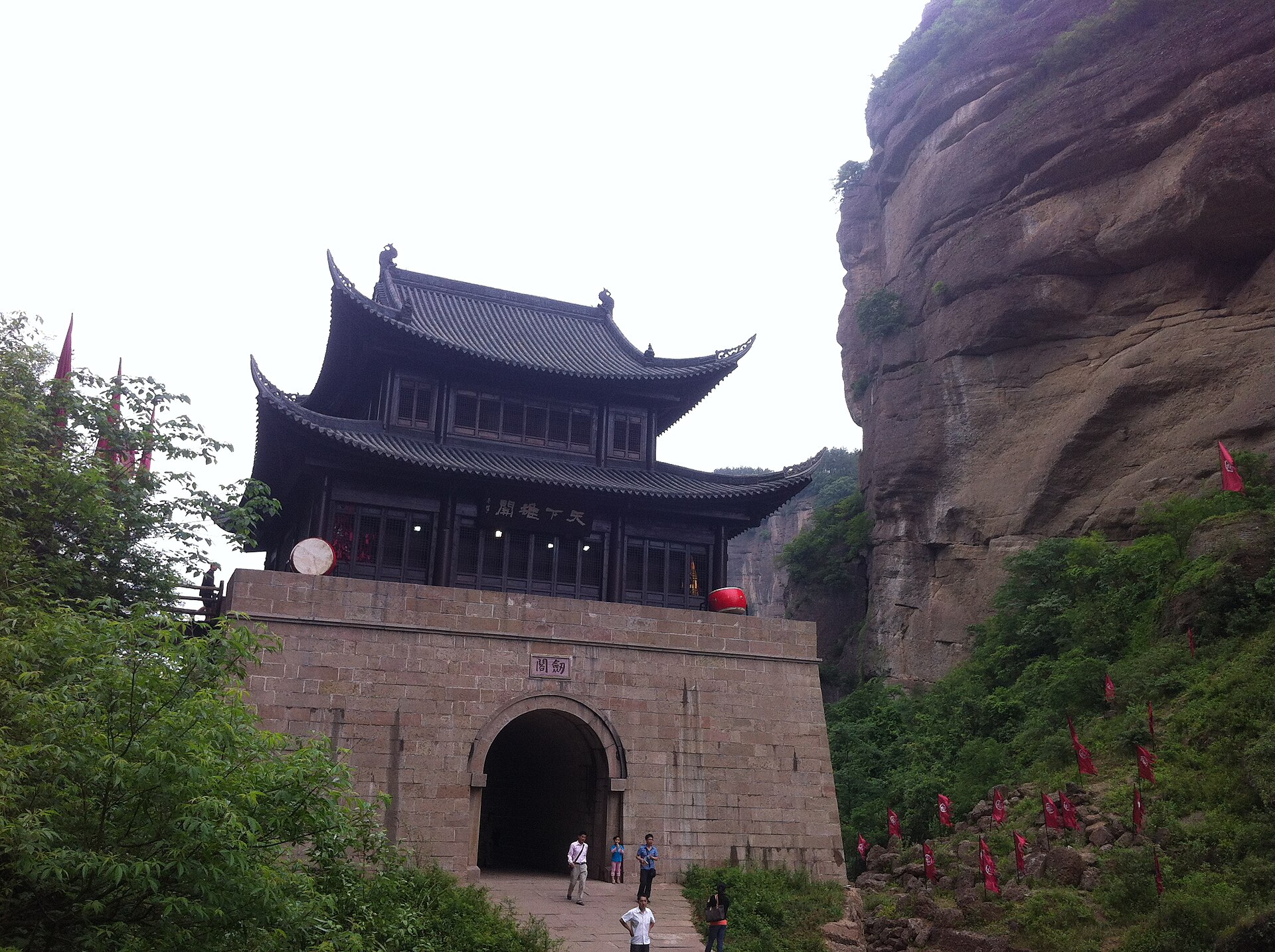
Pack for a Chinese mountain with European mountain logic and you will carry too much and miss the point. The trails here have their own economy: stairs instead of switchbacks, teahouses instead of huts, and a depth of infrastructure that changes what belongs on your back.
The stairs problem
Chinese mountains descend by stairs, not by paths, and stairs are a different sport: they load the knees on the way down and the calves on the way up, and seven thousand of them in a night changes the calculus. Trekking poles are not optional equipment here — they are the difference between walking down and bracing down. Break them in on gentle stairs before the big ones, and pack knee sleeves if you have any history at all.
The seasons
The swings are violent. A Wugongshan weekend in May can run from twenty-five degrees at the trailhead to near frost on the meadow at 1,600 metres; a Taishan night climb in October gains you a genuine winter summit by 4 a.m. The answer is layering — a base, a fleece, a shell — plus a hat and gloves that weigh nothing, because the coldest hour of any Chinese mountain trip is always the one before sunrise, waiting on the platform.
The teahouse economy
Here is the part that saves weight: on the classic mountains — Taishan, Huashan, Emei, Huangshan — you are never more than an hour from a teahouse selling hot noodles, water and eggs. Carry a day of snacks, not a week of food. On the wilder routes — the wall camps, Wugongshan’s west ridge, the Huizhou trails — the logistics thin out, and our itineraries feed you there. Match the pack to the mountain: staircase-and-teahouse trips want a light pack and a full wallet; camping trips want the full kit, which is why ours come with tents and bags provided.
The short list
The distillation, tested across every route on this site: broken-in shoes with real grip; poles; the three-layer system plus light hat and gloves; a two-litre water capacity that can be half at the start on teahouse mountains; a power bank, because sunrise photography eats batteries; cash in small notes for the stalls; and a headlamp even on day trips, because in China the sunniest plan can end in the dark, on stairs, and that should be an experience — not a problem.
Where this leads
Night up Mount Tai
The Wugongshan weekend
The Great Wall trek