January – February
Poyang at its best for birds, the villages empty and cheap, the mountains icy. Damp cold everywhere.
 Start your enquiry
Destinations / Jiangxi / Calendar
Jiangxi has three seasons that matter — rapeseed, plum rain and cranes — and one long, wet middle that most itineraries should avoid.
Explore the guide ↓Jiangxi, all regions
What each month offers, and where to be.
Poyang at its best for birds, the villages empty and cheap, the mountains icy. Damp cold everywhere.
Wuyuan turns yellow, the province fills up, and the trains and guesthouses sell out weeks ahead.
The yellow goes, the crowds leave, and the villages are at their best: green terraces, mist, tea being picked.
Wet, warm and cloudy. The mountains are dramatic and the waterfalls full; the plains are humid and sticky.
Hot in the valleys, ten degrees cooler on the ridges, with the tent festival on Wugongshan and storms most afternoons.
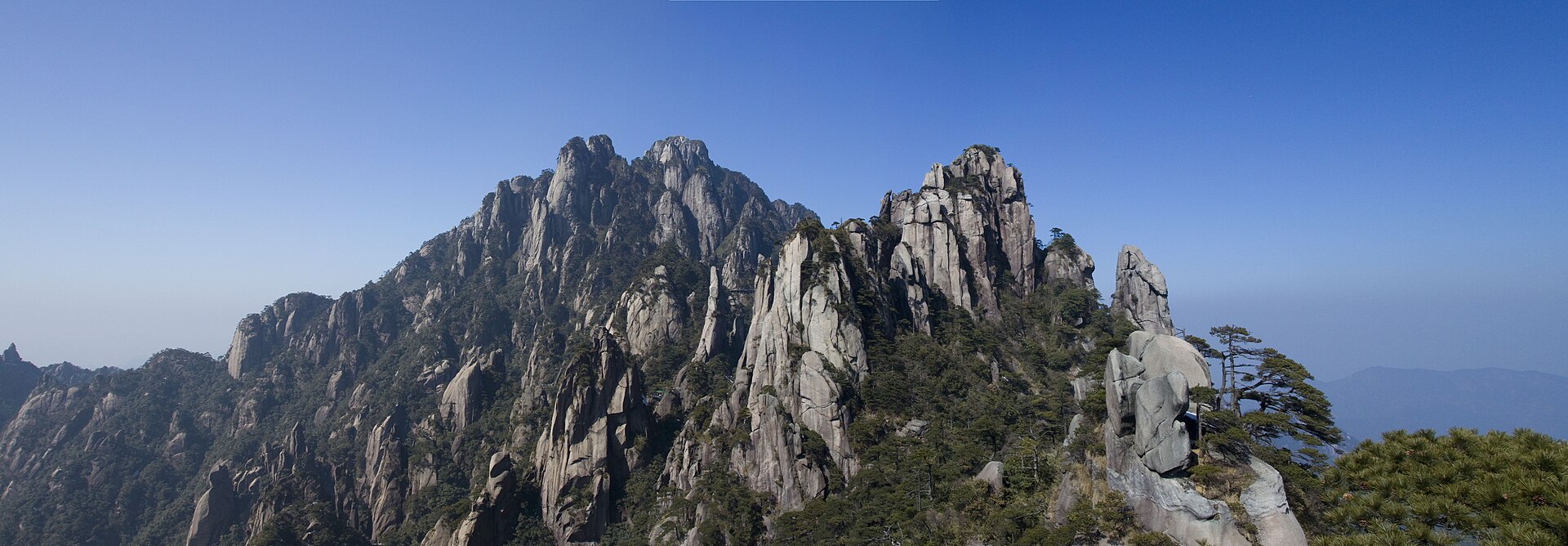
Dry, clear and cool. Sanqingshan and Lushan at their most visible, with the October holiday week the busiest of the year.
The lake drains, the birds arrive, and the birding season starts. Cold, damp and quiet everywhere else.
The rapeseed date is the only one that can ruin a trip by being wrong. It moves with the weather by up to two weeks, and the county announces nothing: the fields simply turn. We watch the reports and the webcams from early March and tell clients what we see, rather than what last year’s brochure said.
The other trap is the summer. Jiangxi in July and August is hot, humid and thundery on the plains, and the mountains are the only sensible ground. If the trip is about villages and porcelain, come in spring or autumn; if it is about walking, summer is workable above 1,000 metres.