The winter mountain
Why the cloud sea and the rime are cold-season events, and how to plan a stay around a probability rather than a date.
 Start your enquiry
Destinations / Anhui / Seasonal notes
Anhui runs on cloud, tea and the holiday calendar. What moves each year, and what never does.
Explore the guide ↓Updated each season · checked before every departure
The mountain, the villages and the stone roads are fixed. What moves is whether you can see them: the cloud that decides whether Huangshan performs, the rains that decide whether the paving is safe, the tea flush that decides whether the gardens are working, and the three holiday weeks that decide whether a village lane is a lane or a queue.
This board is evergreen rather than a news feed. Each entry says what is stable, what varies, and where the authoritative source sits. We re-check each one before the season, and again before any client books around it.
Each entry links to the page with the detail.
Why the cloud sea and the rime are cold-season events, and how to plan a stay around a probability rather than a date.
Twelve months and three landscapes, with the rains, the tea flush and the holiday weeks on one page.
The picking calendar for maofeng, houkui and Keemun, and which valley to be in for each.
What the wet season does to the paved roads, and what to walk instead when it does.
Longer pieces on the same questions.
The mechanism behind the cloud waterfall, and why a hard frost under high pressure is the signal to go up.
Paving, drainage, boundary stones and what a repaired block tells you about the century it was repaired in.
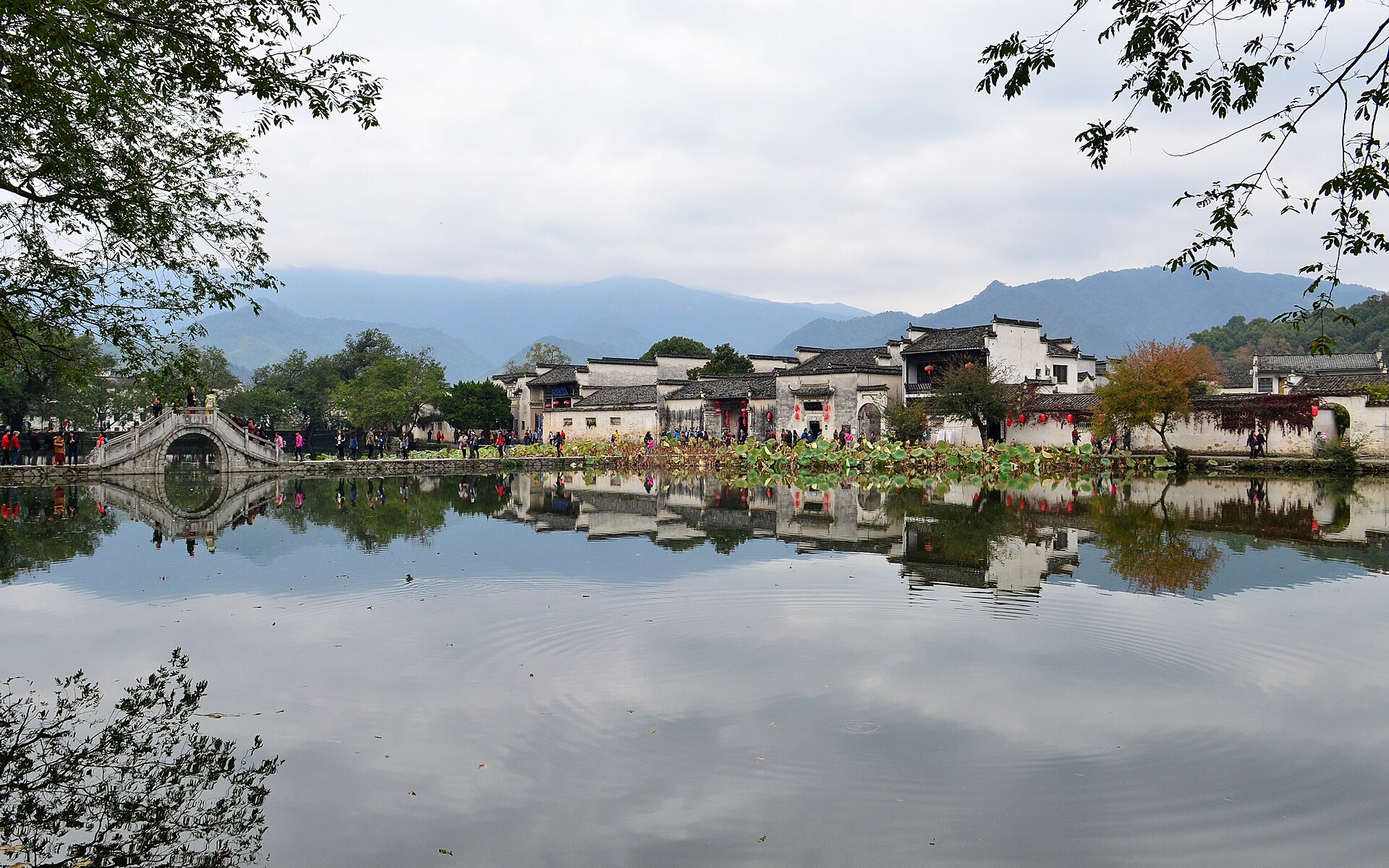
Water first, then lanes, then halls: how to look at a village so that it stops being picturesque.
Two sandstone-and-granite mountain trips, and which one suits which kind of traveller.