
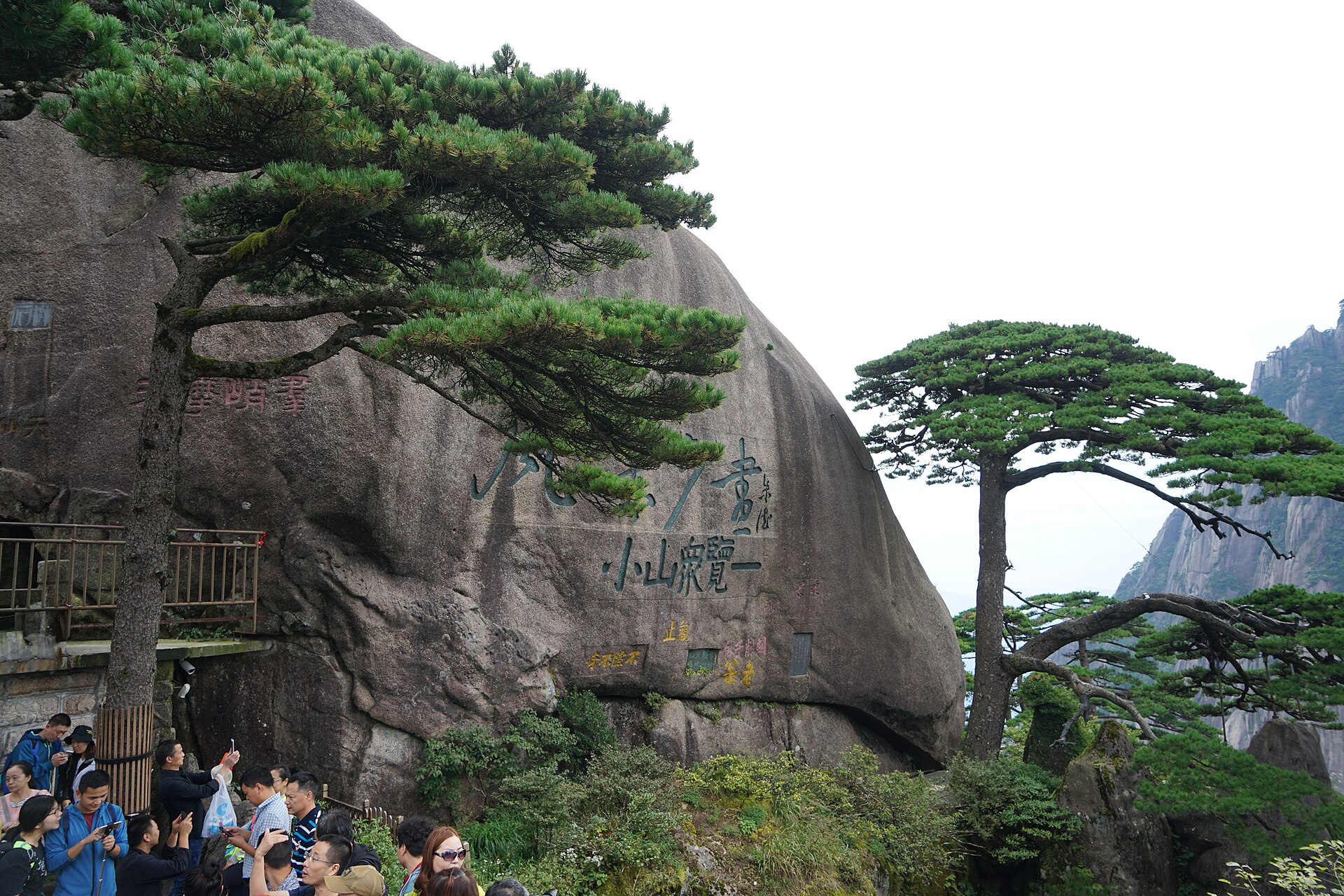
The plain of Huizhou, under the flank of Huangshan in southern Anhui, holds the densest collection of pre-modern domestic architecture in China: whole villages of Ming and Qing mansions, white-walled and black-roofed, still inhabited, still working. Four hundred years ago this was the richest countryside in the empire. The wealth was salt; the monument is the villages.
The salt fortune
Huizhou is mountainous and its soil is thin, so for centuries its men left. The Huizhou merchants — the huishang — came to monopolise the imperial salt trade, plus tea, timber and pawnbroking, and by the Ming dynasty they were the wealthiest merchant class in China. Imperial law barred merchants from spending on status directly, so the money came home as houses, halls, schools and ancestral temples — architecture as the one legal flex.
The grammar of the walls
Once you know the elements, every village becomes legible. The stepped gable walls — the horse-head walls — are firebreaks, rising above the tiled roofs in ranks. The gate lintels of the wealthy are carved brick; the courtyards are light-wells, narrow by design, catching sun without exposing privacy. The ancestral hall sits at the village’s ceremonial centre, the largest timber room in the settlement, and the clan’s schools stand beside it: study was the second flex, the route back into officialdom.
Hongcun’s water machine
Hongcun is the masterpiece of the genre: a Ming-era water system engineered so that a spring in the hills fills the crescent-shaped Moon Pond at the village head, feeds channels down every lane for washing and gardens, and finishes in the mirror of South Lake. The system still runs as designed. Stand at the Moon Pond at dawn, before the coaches, and the whole village composes itself into the water — which is, of course, the point.
Which villages, in which order
Hongcun and Xidi are the UNESCO pair — Hongcun for the water and the cinema-famous postcard, Xidi for the sheer density of carved merchant mansions. Chengkan is the connoisseur’s choice, quieter than both, with the largest ancestral hall in the region. Tuanjie and the hamlets of the village walks are where the villages stop performing entirely.
Walking between them
The villages were nodes in a walking economy — tea down, salt up, porters on stone. Those paths survive, and the best days in Huizhou link villages on foot through rapeseed and camphor country. The five-day itinerary does mountain and villages in one line; the Hui–Hang ancient trail is the great trade route out of the region, still walkable end to end.
Where this leads
The Huangshan & Huizhou trip
The village walks guide
The deep Huizhou trails