Hangzhou & West Lake
Sea level, humidity and the lake. No altitude, and the heat in July is the only physical constraint.
 Start your enquiry
Destinations / Zhejiang / Altitude
A province of sea-level cities and one mountain over 1,900 metres. On a normal route the highest you sleep is 700, and the highest you stand is 1,100.
Explore the guide ↓Zhejiang, all regions
Almost everything on a Zhejiang itinerary is at sea level. Hangzhou and West Lake sit at about 10 metres, Shaoxing at 9, Ningbo at 5, and Putuoshan’s coast barely above the tide. The delta is a plain, and the plain is where the cities, the canals and the gardens are.
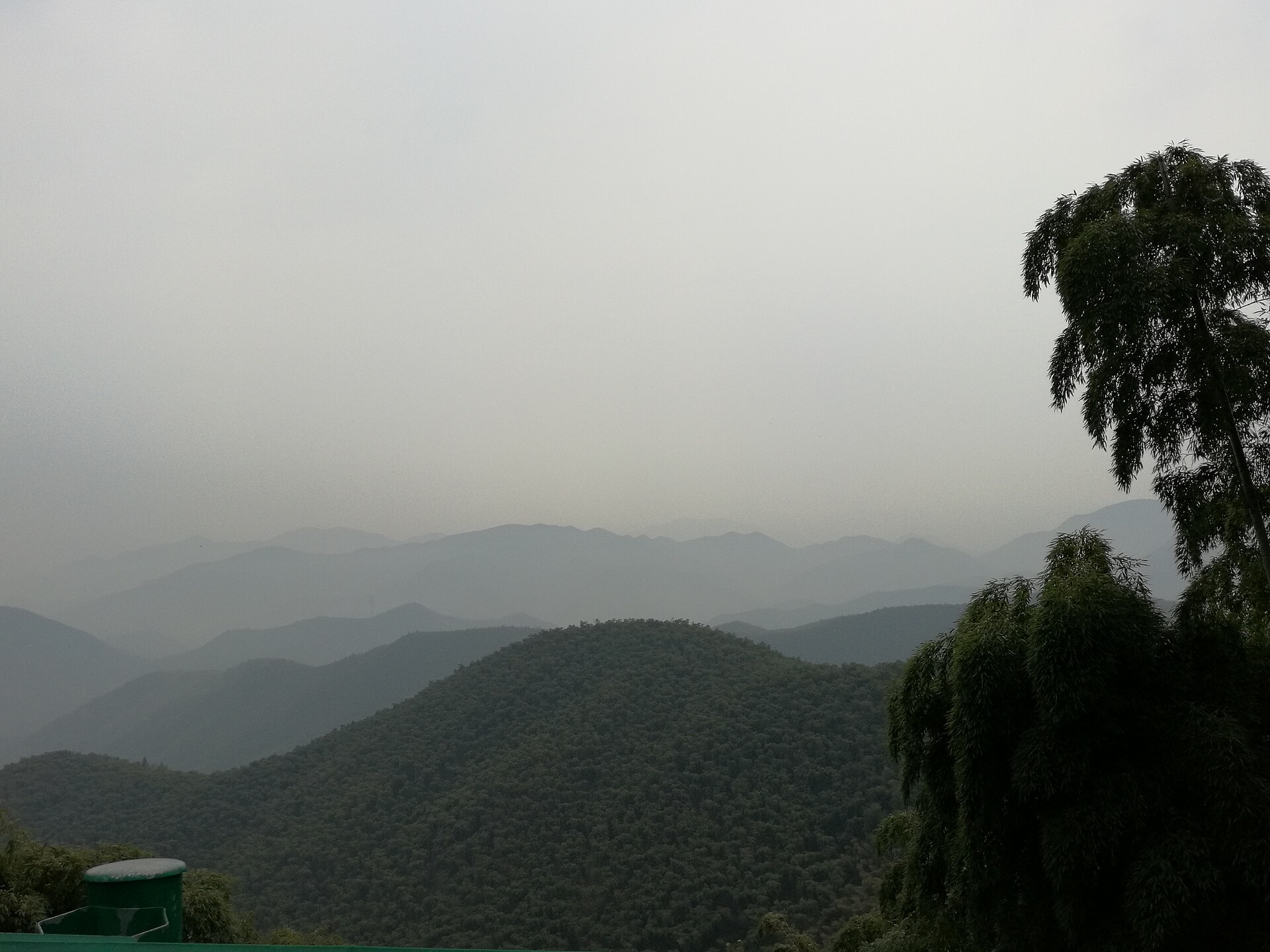
The hills are modest by Chinese standards. Moganshan is 719 metres, which is high enough to be five degrees cooler and low enough that nobody thinks about the air. Yandang’s summit is 1,108, and the rhyolite valleys are between 200 and 600. The province’s high point, Huangmaojian in Longquan, is 1,929 metres, and it is a forest park that almost no visitor reaches.
So altitude is not a planning factor here at all. Heat, humidity and rain are, and the hills are the answer to all three: every classic Zhejiang summer route is a route upwards.
By place and by route.
Sea level, humidity and the lake. No altitude, and the heat in July is the only physical constraint.
A canal city on the plain. Flat walking, wet stone, and no hills at all.
Villages at 400, the ridge at 719. Cooler, wetter and the highest you are likely to sleep.
Three valleys between 200 and 600, with the summit at 1,108. Steps rather than altitude.
An island with a 290-metre summit, reached by 1,000 steps or a cable car. Sea level with a hill in the middle.
The province’s high point, in a forest park in the far south-west. A hill walk, not a mountain expedition.
Nothing altitude-related. What matters is the heat: July and August in the delta are 35–38 °C with humidity to match, and the cities hold it overnight. The traditional answer is the same one the villa builders gave in 1896: go up. Moganshan, Yandang and the hills behind Hangzhou are all five to eight degrees cooler.
The second thing is rain. Zhejiang gets 1,200–1,600 mm a year, concentrated in the plum rains and the typhoon months, and the stone paths in the canal towns and the mountain valleys are genuinely slippery. Shoes with tread matter more than any other item of kit on a Zhejiang trip.
If you are travelling with someone who finds heat difficult, plan the province from late March to May or from late September to November, and keep the middle of the day indoors. That is what the locals do.