The villa road
A walking road around the top of the mountain, past a dozen surviving villas including the Mao-era guesthouse where the 1954 constitution was drafted.
 Start your enquiry
Destinations / Zhejiang / Moganshan
Bamboo to the horizon at 719 metres, with a hundred-year-old villa colony in the middle of it and the country’s most polished rural hotels around the edge.
Explore the guide ↓Northern Zhejiang · Deqing county
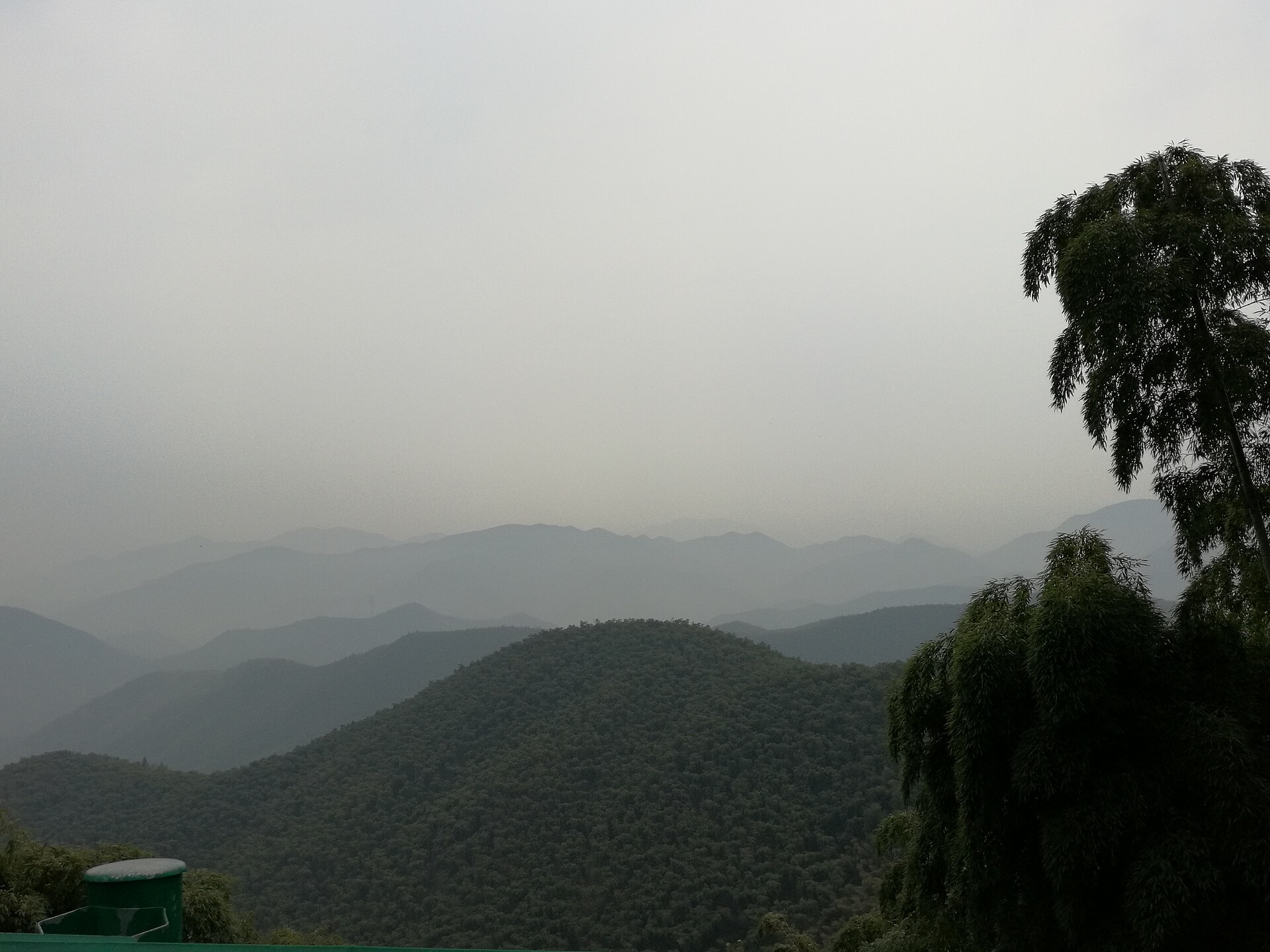
Moganshan is a mountain of about 719 metres in Deqing county, 60 kilometres north of Hangzhou, covered in moso bamboo from the valleys to the ridge. In 1896 an American missionary built the first summer house here, and within thirty years there was a colony of several hundred villas — stone, timber, verandas, fireplaces — built by foreigners and Chinese officials escaping the delta heat. It was the first hill station in China.
The villas survived, barely, and the bamboo never left. What changed is the accommodation: since about 2010 the villages around the mountain have become the centre of China’s rural design-hotel movement, with converted farmhouses, architects’ retreats and prices to match. It is now the place Shanghai goes for a weekend, which is both the appeal and the problem.
The walking is the reason to stay two nights. Paths run through the bamboo between the villages, the old villa road loops the summit, and the ridge gives views over a green sea as far as the reservoirs. None of it is hard; all of it is green, wet and quiet, which is the point.
Bamboo paths, old villas and a reservoir.
A walking road around the top of the mountain, past a dozen surviving villas including the Mao-era guesthouse where the 1954 constitution was drafted.
Marked trails through the bamboo linking Yinshan, Xiantan and the ridge. Two to four hours, muddy after rain, and completely silent once you are off the road.
A reservoir below the mountain with a path around it and a tea house at the far end. Best in the late afternoon when the bamboo reflects.
Laoling, Yucun and Xiantan: farmhouse conversions, a few good restaurants, and the workshop studios that followed the hotels.
A summer mountain with a good autumn.
Green, warm and wet, with the bamboo at its freshest and the hotels not yet full. Mist in the valleys most mornings.
The reason the hill station exists: five degrees cooler than Shanghai, and booked out at weekends. Midweek is a different mountain.
The best months: dry, clear and cool, with the bamboo still green and the light softer. October weekends are the busiest of the year.
Cold, damp and quiet, with occasional snow on the ridge. Cheap, atmospheric and most restaurants closed midweek.
Two hours from Hangzhou, three from Shanghai.
Deqing is on the high-speed line from Hangzhou (13 minutes) and Shanghai (about 1 hour 20); from the station it is 40 minutes by road up the mountain.
The mountain road is narrow and the villas are spread out. A car and driver for the day is the practical answer; the hotel shuttle covers the villages.
A converted villa on the ridge for the old colony, or a design hotel in the villages for the contemporary version. Two nights minimum.
A hundred and thirty years of escaping the delta summer.
Missionaries, then diplomats and Chinese officials, built summer houses at 700 metres to escape the delta’s heat. The architecture is a hybrid: European cottage plans with Chinese roof tiles and local stone.
The first constitution of the People’s Republic was drafted in a villa on the mountain, which is why one of the buildings is preserved as a museum and the road is better than a mountain road needs to be.
The design hotels arrived with the high-speed line. They saved the villages economically and changed them socially; both things are visible in an afternoon’s walk.
Mud, mosquitoes and weekend prices.
The mountain gets rain most months and the bamboo paths hold water. Boots or trail shoes, not white trainers.
Shanghai arrives on Friday night. Sunday to Thursday is cheaper, quieter and better.
The good village restaurants seat twenty people and take reservations. Without one, dinner is a bowl of noodles at the hotel.
Tell us whether you want the old villas or the new hotels. They are on the same mountain and they are not the same trip.
Start my journey brief ↗