
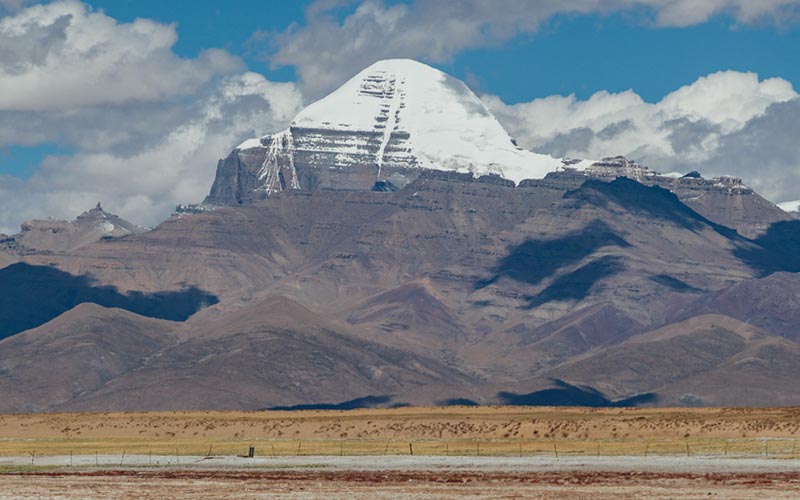
High altitude is not a fitness test. Strong, experienced travellers can still become ill after a rapid ascent, while a well-paced itinerary gives most people a far better chance to enjoy the landscape. In China, that matters on routes involving Lhasa, western Sichuan, Daocheng Yading, Shangri-La, Mount Kailash and remote mountain valleys.
Why the first nights matter.
The key variable is sleeping elevation, not the highest viewpoint reached in the afternoon. A high day trip followed by a lower night is generally easier on the body than continuing upward to sleep. Plan the route so the first nights are deliberately conservative, particularly after flying in from sea level.
The CDC advises gradual ascent for high-altitude travel and recommends avoiding a rapid move from low elevation to a sleeping altitude above 2,750 m in one day. Once above 3,000 m, its guidance is to limit sleeping-elevation gain and add acclimatisation time as the route rises.
Build the first days around adjustment.
- Keep the first 48 hours gentle: light walks, no performance goals and no heavy drinking.
- Choose a lower or intermediate overnight stop where the road or rail route allows it.
- Keep a flexible day before a major pass, trek start or remote transfer.
- Tell us about previous altitude experience, but do not treat a past good trip as a guarantee.
For trekking, daily route length must follow the slowest safe pace and the actual access to shelter, transport and descent. A route description may make a distance look modest; cold, wind, uneven ground and elevation can change it completely.
Know when the plan must change.
Headache, unusual fatigue, loss of appetite, nausea or poor sleep can be early symptoms of acute mountain sickness. Do not keep ascending to sleep higher while symptoms are present. If symptoms worsen despite rest, descent is the essential response; severe symptoms such as confusion, loss of coordination, breathlessness at rest or a persistent cough require urgent action and medical help.
Carry a clear communication plan for remote areas. That includes who makes the go/no-go call, how a vehicle or lower sleeping point can be reached, and what happens if weather interrupts the original line.
A medical planning note.
This is general route-planning information, not medical advice. Travellers with heart or lung conditions, pregnancy, diabetes, a history of serious altitude illness or other relevant conditions should speak with a clinician experienced in high-altitude travel before committing to a route. Discuss any medication with that clinician rather than self-prescribing from a packing list.
Explore a high-country route with room to adapt.
Browse China trekking routes →