Ganden to Samye
The classic short trek: from the monastery above Lhasa over the Shuga La and the Chitu La into the Yarlung valley. High, empty, and walkable without technical gear.
 Start your enquiry
Destinations / Tibet / All routes
Three treks and three overland lines, all of them private, all of them shaped by permits and by how slowly you can climb.
Explore the guide ↓Tibet, all regions
Tibet is not a place for a menu of itineraries. There are three walks worth building a trip around, each at a different height and each with its own access question, and a set of overland lines that connect them. Everything below runs privately, with a licensed guide and vehicle, on a permit issued for that route.
Four days to three weeks.
The classic short trek: from the monastery above Lhasa over the Shuga La and the Chitu La into the Yarlung valley. High, empty, and walkable without technical gear.
Darchen, Dirapuk, the Dolma La at 5,630 metres, Zutulpuk. The pilgrimage at the centre of western Tibet, with 1,500 km of driving either side of it.
The eastern side of the massif, where the Kangshung face drops into forest. Green, steep and far quieter than the Rongbuk road.
Where the vehicles go.
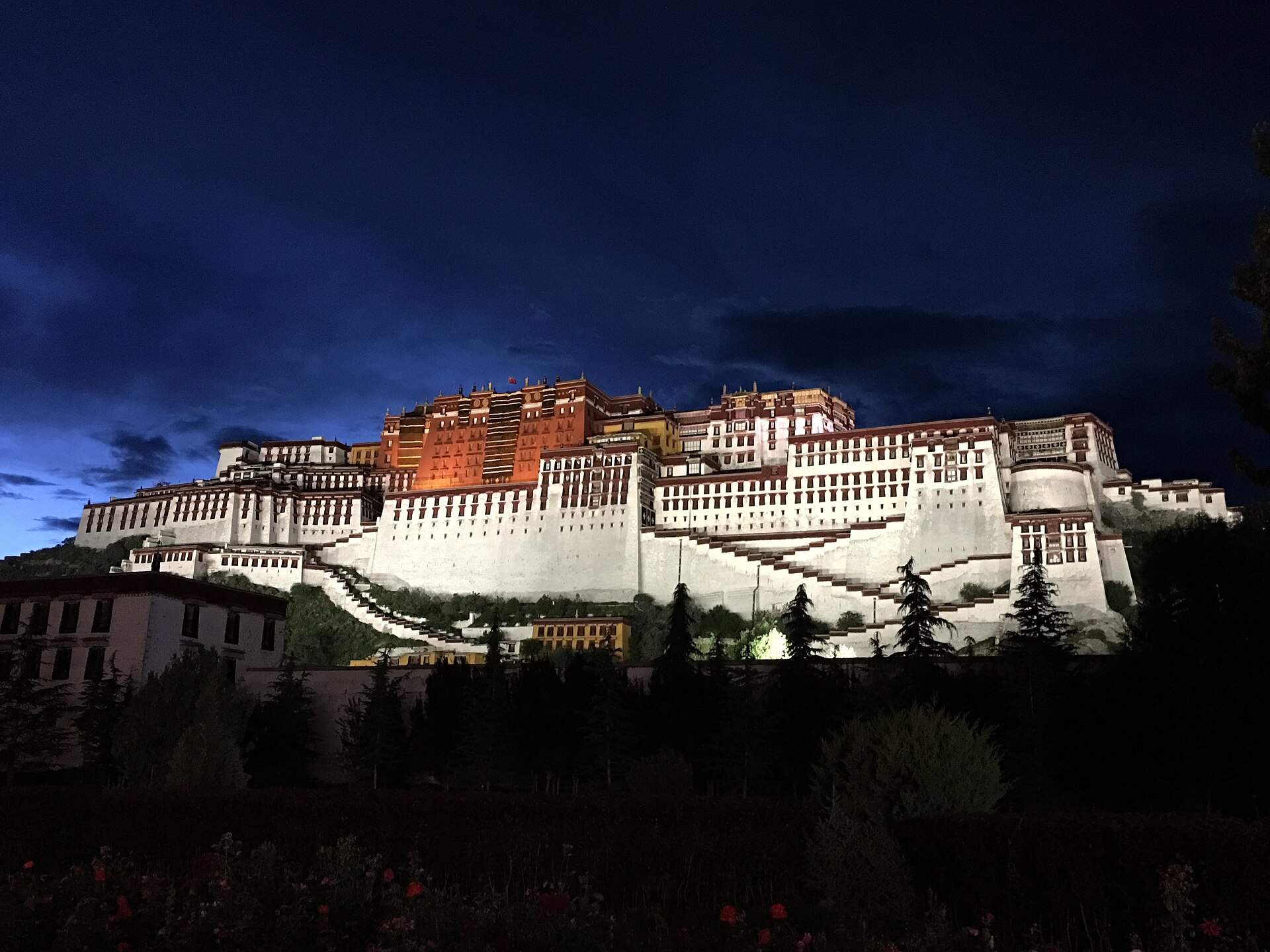
The Potala, the Barkhor, Drepung and Sera, and the valley of the first monastery. Every route begins here and most need three nights before going higher.
The lake under the Kamba pass and Tashilhunpo monastery, on the way to Everest or to Ngari.
Shigatse, Lhatse, Tingri, the Gyatso La and Rongbuk. Two long days each way, and the north face at dawn.
Three to four days of driving from Lhasa, the lake, the kora, and the ruins of the Guge kingdom on the way back.
How Tibet attaches to the rest of the map.
The Qinghai–Tibet line crosses the Tanggula pass at 5,072 metres. Slower, gentler, and a landscape in itself.
A week at 3,200 metres in Qinghai is the best preparation there is for 3,650 in Lhasa.
The spine, the three landscapes, the season and the questions that come up first.