Acclimatisation
Most nights are very high. Train beforehand and arrive with a conservative, staged acclimatisation plan.
 Plan this trek
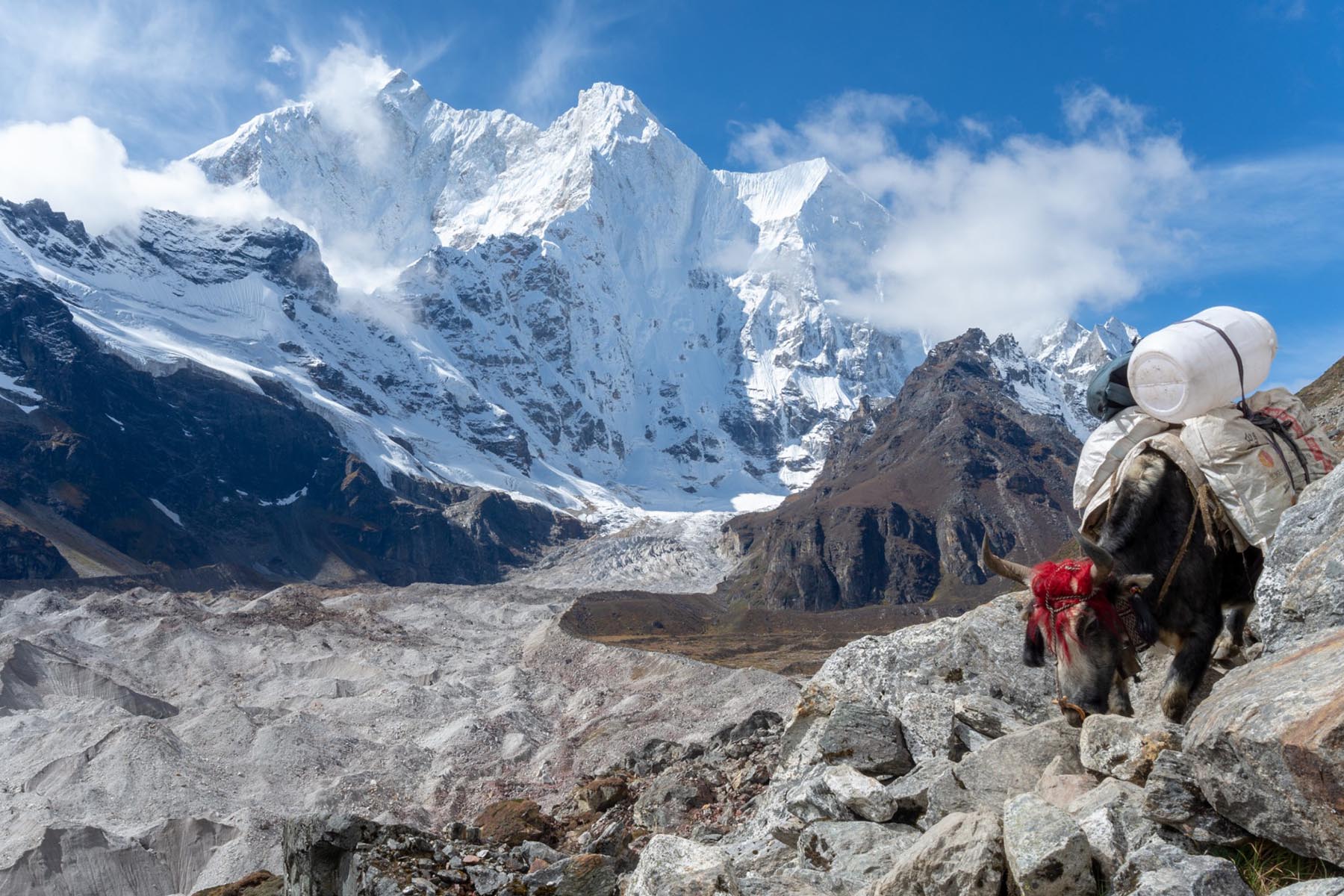
Trekking / Everest Kama Valley
A remote eastern approach to Everest through Kharta and Kama valleys, high passes, lakes and the Kangshung Glacier.
Start this route briefTibet · Kangshung Face
July–August have a higher chance of fog
most nights are above 4,500 m
but the altitude makes each day serious
roughly 640–650 km to the Kharta Valley start
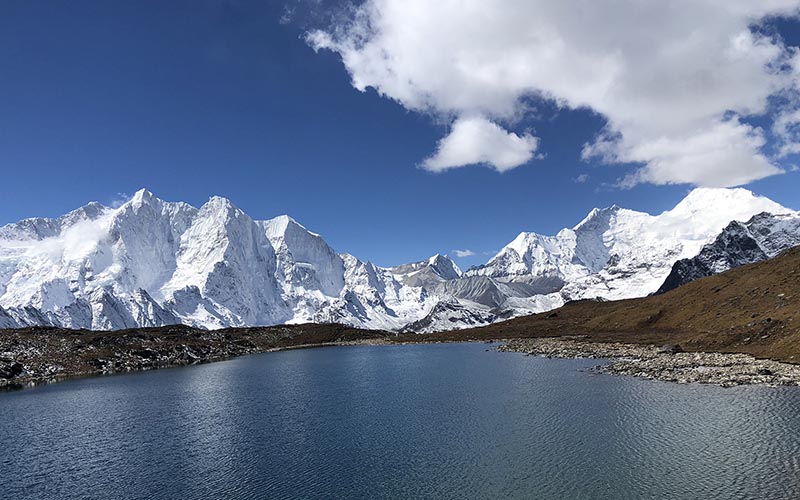
Kama Valley is one of the quieter ways to see Everest: a wilderness trek past high lakes and the Kangshung Face, rather than a roadside viewpoint.
The source route begins near Yulba in Kharta Valley, crosses into Kama Valley, travels towards the eastern base-camp area, then returns over another pass.
The road approach to the Kharta Valley requires roughly two days. Add further high-altitude nights before walking.
The route begins around Yulba, crosses a pass and climbs towards the Kangshung side of Everest.
Expect limited or absent connectivity once inside the valley. Camps, food, emergency planning and the return route need to be set in advance.
Most nights are very high. Train beforehand and arrive with a conservative, staged acclimatisation plan.
May–June and the post-monsoon autumn months generally give the best balance of trail access and mountain visibility.
Tibet travel and remote valley access are subject to current permit and operator arrangements. Confirm before booking.
Some sections are steep but generally safe; the bigger challenge is elevation, exposure and self-sufficient wilderness travel.
Tell us your preferred dates, hiking experience and the parts of this landscape that draw you in. We will help shape a practical route from there.
Start a route brief