Xining
Two nights, deliberately. The soft landing where the acclimatisation happens before the plateau starts.
 Start your enquiry
Destinations / Qinghai / Altitude
Qinghai is the highest ground we run a full journey programme on. Here are the numbers, and what they mean for sleeping and walking.
Explore the guide ↓Qinghai, all regions
Three bands cover the journeys. The city band is Xining at 2,275 metres — high enough to notice, low enough to sleep well, and the reason the province is a gentler introduction to the plateau than Tibet. The lake band runs 3,100 to 3,200 metres: Qinghai Lake, Chaka, and the grassland between them. This is where most travellers spend their nights, and where the first real altitude step happens.
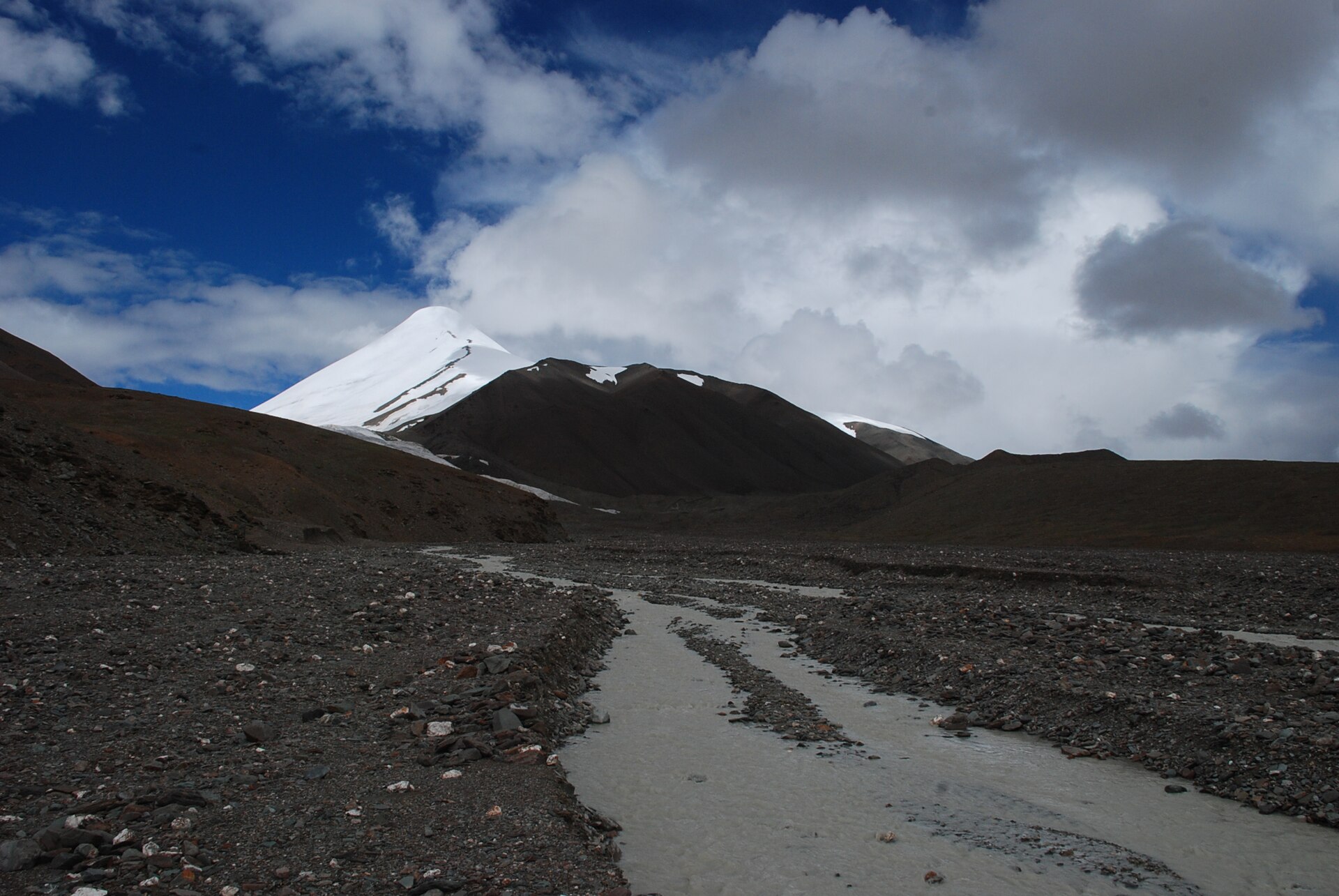
The high band starts around Golmud at 2,800 and climbs fast: the Kunlun road onto the plateau, base camp at 5,000 metres, a high camp at 5,600 and the summit at 6,178. Nothing else we run in Qinghai goes there, and it is a mountaineering programme rather than a journey — the altitude is the objective, not a side effect.
By place and by journey.
Two nights, deliberately. The soft landing where the acclimatisation happens before the plateau starts.
The shore, the herder guesthouses and the circuit. The first step up from the city, and the altitude most itineraries sleep at.
Marginally lower than the lake and drier, with its own wind. A dawn stop rather than a night.
The last town before the Kunlun, and the base for the mountain. Two nights here are part of the programme, not padding.
Within walking distance of the vehicles — which is the whole design of the mountain: every day and every yuan goes into acclimatisation.
One camp above base, then a summit on moderate snow, twenty to thirty degrees, long and steady.
The rule we build by: one sleeping step of no more than about a thousand metres, a night at the step before going higher, and descent as the cure. Qinghai follows it almost by accident — Xining at 2,275, the lake at 3,200, Chaka at 3,100 — which is why the province is a good first plateau.
Above 4,000 the arithmetic changes. The southern highlands put you at 3,680 on arrival and above 4,000 in the field; the Kunlun road puts you at 5,000 by vehicle. Both are manageable when the nights are staged and unmanageable when they are not. Guests with altitude histories tell us at enquiry, and the plan changes shape around them.
Two practical notes. Hydration and sleep do more work than any supplement; alcohol does less than nothing. And the plateau’s dry cold makes the weather unusually predictable for a high mountain — the constraint on Yuzhu is the height, not the forecast.