Before arrival
Tell us your altitude history, any respiratory or cardiac conditions, and every medication. Consult your own doctor about Diamox — we advise, your physician prescribes.
 Start your enquiry
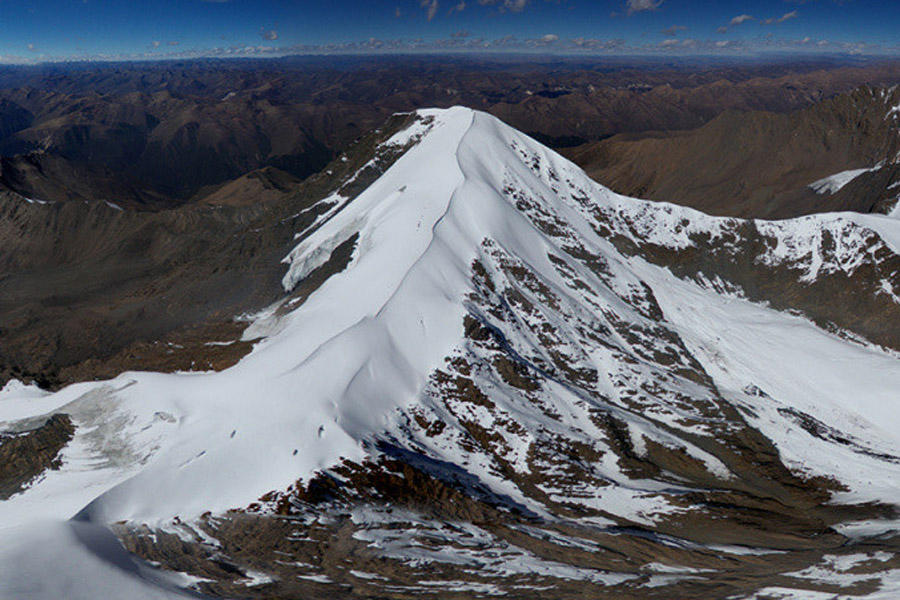
Mountaineering / Knowledge
Altitude illness is not bad luck — it is physics and physiology, and both can be planned around. Here is what happens to a body above 3,000 metres, and the rules that keep it safe to 6,900.
Start this journey briefThe ground where the rules are not optional
the single rule that prevents most serious altitude illness: symptoms at altitude mean stop, not push
headache, nausea, poor sleep above 3,000 m — normal physiology, treated with rest, fluids and time
confusion and stumbling (HACE) or breath at rest with wet cough (HAPE) — descent is the only real treatment
acetazolamide accelerates acclimatisation and is started before arrival when our doctors advise it
Above roughly 2,500 metres every human body begins adapting to thinner air: breathing deeper and faster, blood chemistry shifting, red cell production climbing. Acute mountain sickness — headache, nausea, broken sleep — is the feeling of that adaptation running behind schedule. It is common, usually mild, and it is not a character flaw. What it is, always, is information: the body reporting on its own acclimatisation.
The dangerous conditions are rare extensions of the same process. HACE — fluid in the brain — announces itself as confusion and a drunk walk. HAPE — fluid in the lungs — as breathlessness at rest and a wet cough. Both are descent diseases: the treatment is going down, and everything else is bridge. This is why our mountains run with oxygen, radios and evacuation plans, and why the guides' authority on symptoms is absolute.
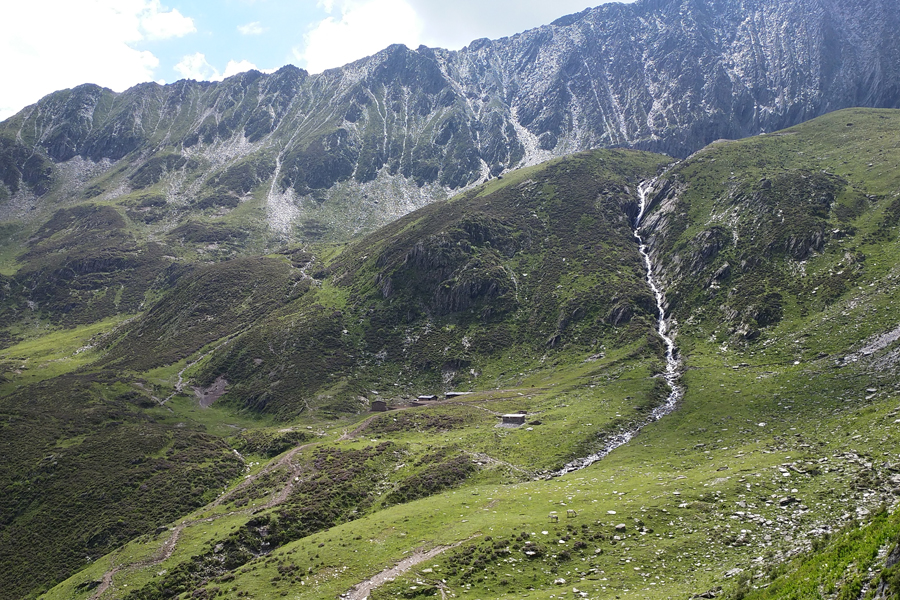
Never ascend with symptoms. A headache at camp means a rest day, not a push — every serious case in the literature started with someone climbing on.
Walk slowly above 3,000 m, sleep no more than 300–500 m higher each night, and climb high / sleep low whenever the plan allows.
Acetazolamide (Diamox) genuinely accelerates acclimatisation; dexamethasone treats HACE; nifedipine bridges HAPE. Our doctors advise per client; the guides carry the kit.
We ask about prior altitude history at booking, and we mean it: the climber who hid their last bad night at 4,500 m is the climber who writes the incident report.
Tell us your altitude history, any respiratory or cardiac conditions, and every medication. Consult your own doctor about Diamox — we advise, your physician prescribes.
Report symptoms early and plainly. Saying 'I have a headache' at 4 a.m. is logistics; hiding it until noon is an incident.
Policies must cover the mountain's altitude and helicopter or ground evacuation — we check this before departure because policies routinely do not.
Every one of our mountains has a descent route measured in hours, not days. That fact is the safety system's foundation.
Every enquiry gets the altitude conversation before it gets a price. Tell us your history and we will tell you honestly which mountain your body is ready for.
Start a journey briefThe mountain progression · Acclimatisation is the itinerary · Rescue and insurance