The Jingmai tea forests
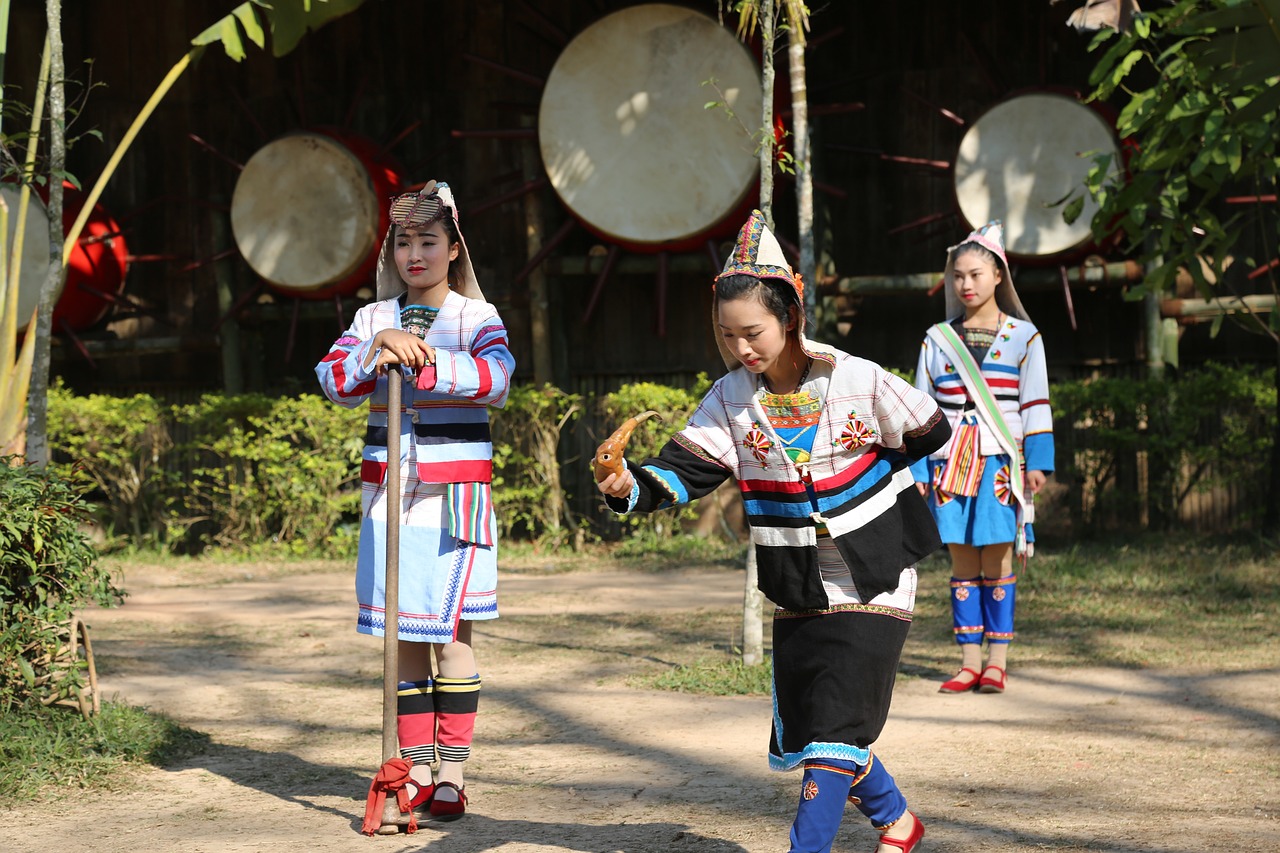
The ancient tea forest landscape of the Jingmai mountains — canopy-shaded tea gardens a thousand years in the making, and the Blang and Dai villages that tend them.
 Start your enquiry
Destinations / Yunnan / The tea south
Where the caravans began: thousand-year tea trees on the Jingmai mountains, Dai temple towns on the Mekong, and the elephant forests at the end of the road — Yunnan's tropical rim.
Explore the guide ↓Pu'er · Xishuangbanna Dai Autonomous Prefecture
The south is a different Yunnan. Below Pu'er the plateau softens into hill tea country, and by Jinghong you are in the tropics: palm avenues, Theravada temple spires, night markets under banyan trees, and the Lancang river — the Mekong, beginning its 4,000-kilometre run to the sea. This is Dai country, with its own script, calendar and festivals, and the closest China gets to Southeast Asia without leaving it.
The tea story starts here. The ancient forests of Jingmai mountain — inscribed by UNESCO in 2023 as a living cultural landscape — hold trees a thousand years old, tended by Blang and Dai villages under canopy shade exactly as their great-grandparents did. North of them, the Pu'er prefecture's mountains fed the caravans that carried pressed tea over four vertical kilometres to Lhasa: the first kilometres of the tea-horse road are walking country to this day.
And the forest still holds its giants. Xishuangbanna's reserve carries China's largest wild Asian elephant population; the valleys around Wild Elephant Valley are worked by rangers who read the herds' movements the way farmers read weather. Our southern journeys give the elephants their schedule — they have it anyway.
The region's essential landscapes, and the journeys that work them.
The ancient tea forest landscape of the Jingmai mountains — canopy-shaded tea gardens a thousand years in the making, and the Blang and Dai villages that tend them.
Tea pressing with village families, the first tea-horse kilometres on foot, and the road south to Jinghong's temple towns and the river markets.
Ranger-led mornings in Wild Elephant Valley, the canopy walkway in the Mengla rainforest, and the Dai villages between.
Palm avenues, the Manting park temples, the night market's grilled-fish smoke and the riverfront at dusk — the warmest city evening in China.
Dai Buddhist temples with gilded spires and peacock carvings — a tradition continuous with Laos and Myanmar, practised in living villages.
The Xishuangbanna tropical botanic garden — one of Asia's great plant collections, on a loop of the Lancang.
The south runs on a dry/wet calendar.
The high season and honestly earned: blue skies, warm days, cool nights, the whole forest open. April brings Songkran — the Dai new-year water festival — and the year's biggest party.
Hot, wet and lush: afternoon downpours, forest at full voice, tea gardens at their greenest. The tea journeys run well in the early window; the elephant valleys are quietest at dawn.
Spring (March–April) is the first-flush picking — villages at their busiest and the tea at its most prized. Autumn gives the second flush and emptier guesthouses.
March–May can push 35 °C in Jinghong. Journeys start early, siesta at noon, and use the river evenings — the tropical rhythm, adopted rather than fought.
The south rewards the road line from Kunming.
Jinghong (Xishuangbanna Gasa) airport flies from Kunming in under an hour; the expressway and rail lines reach Pu'er and Jinghong from Kunming in half a day. Our journeys run the road line Kunming → Pu'er → Jinghong to keep the tea country in the frame.
The Jingmai mountains need two nights — the villages are the experience, not a viewpoint. Pu'er city itself is a waypoint; the mountains hold the destination.
Village guesthouses in the tea mountains (simple, warm, family-run), Pu'er's ridge hotels, and Jinghong's riverfront resorts — the widest accommodation range in the province.
Dai, Blang, Hani and the tropical table.
Songkran (the Dai new year, mid-April) turns every street into a joyful ambush — visitors are fair game and expected to play. Dates centre on 13–15 April; confirm the county calendar each year.
In the tea villages, guests taste before they buy, always. Press your own cake with the family, learn to read the leaf, and skip the theatrics of the fake "ancient tree" market — we take you to the real gardens.
Grilled river fish, banana-flower salad, pineapple rice, sour-spicy Dai salsa (nansha), and the Pu'er mushroom and bamboo-shoot kitchen — the south eats lighter and hotter than the rest of the province.
The details worth discussing when shaping your trip.
Xishuangbanna borders Myanmar and Laos. Main tourist routes are fully open; we confirm conditions for each departure as routine.
The elephant valleys are working conservation areas. Ranger instructions are absolute, distances are theirs to set, and the journeys are built around the animals' schedule — that is the experience.
The south pairs naturally with the southeast (terraces → tea country is one line) or stands alone as a winter-escape journey from anywhere.
Tell us when you can travel and what the trip is for — tea, forest or festival. The south rewards the dry season and the early start; we build it that way.
Start my journey brief ↗