
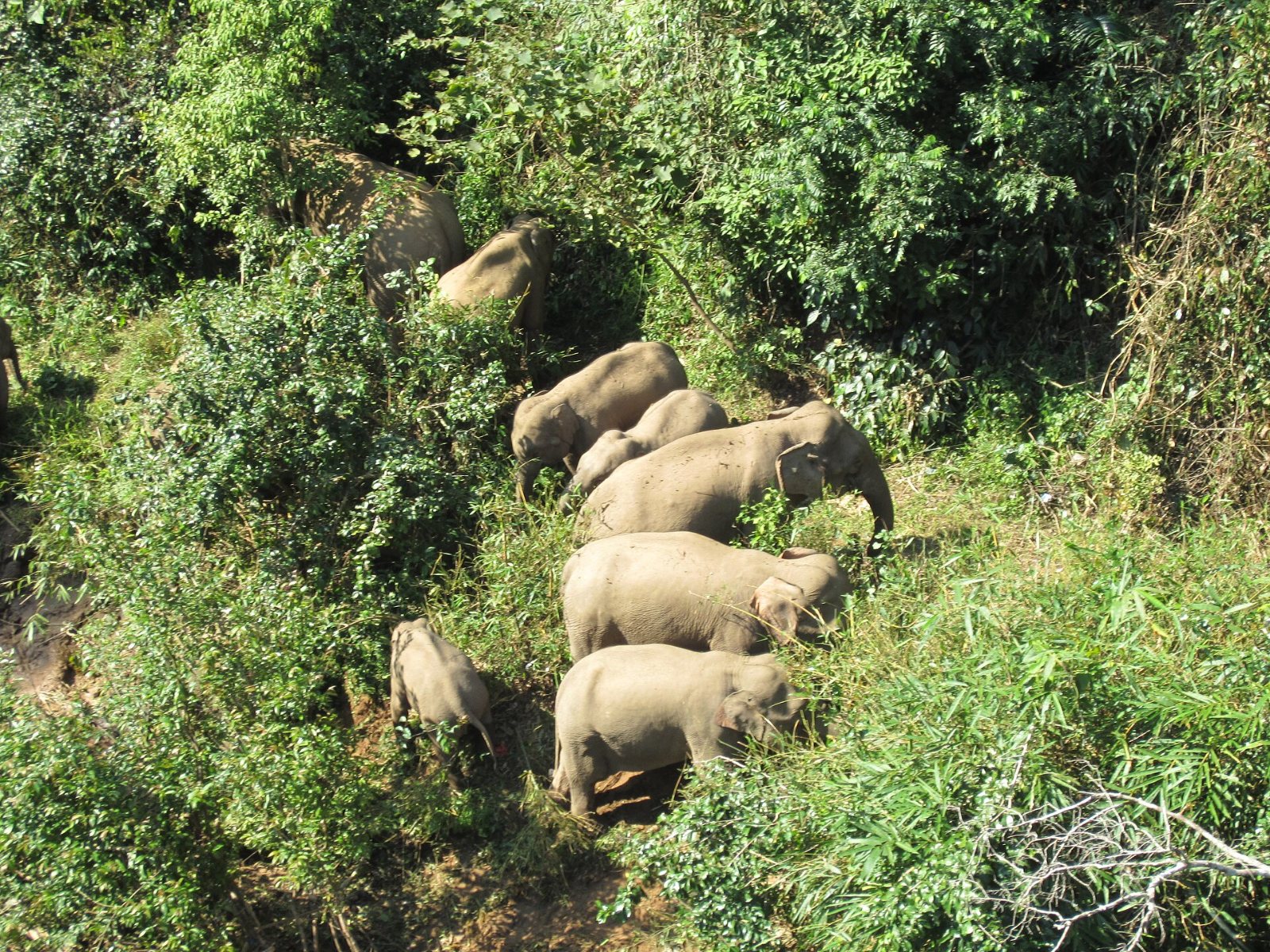
Wild Asian elephants moving through the forest at Wild Elephant Valley, Xishuangbanna

Wildlife / Asian elephant tour

Private wildlife tour

The Asian elephant tour.

Four tropical days around one valley in the Mengyang sub-reserve, watched from a 2,280-metre elevated walkway: the dry season, the first and last hours of the day, and the patience that a wild elephant sighting actually asks for.

  • Duration4 days
  • Nights3
  • Best windowNov–Apr · Dec–Feb peak
  • Starts & endsJinghong
Ask about this itinerary

The valley herd · about 80 animals in more than ten families

The herd≈80 animals

in more than ten families using the valley — China's total is 300+, up from roughly 180 in the 1980s

Best windowNov–Apr

the dry season; December to February is the peak, when the interior is driest

Daily pattern08:00–10:00 · 16:00–18:00

elephants avoid the heat of the middle of the day, and so should you

ExtendsInto Yunnan

pandas in the north, elephants in the south — one province, two calendars

Why this route

A valley on a migration route.

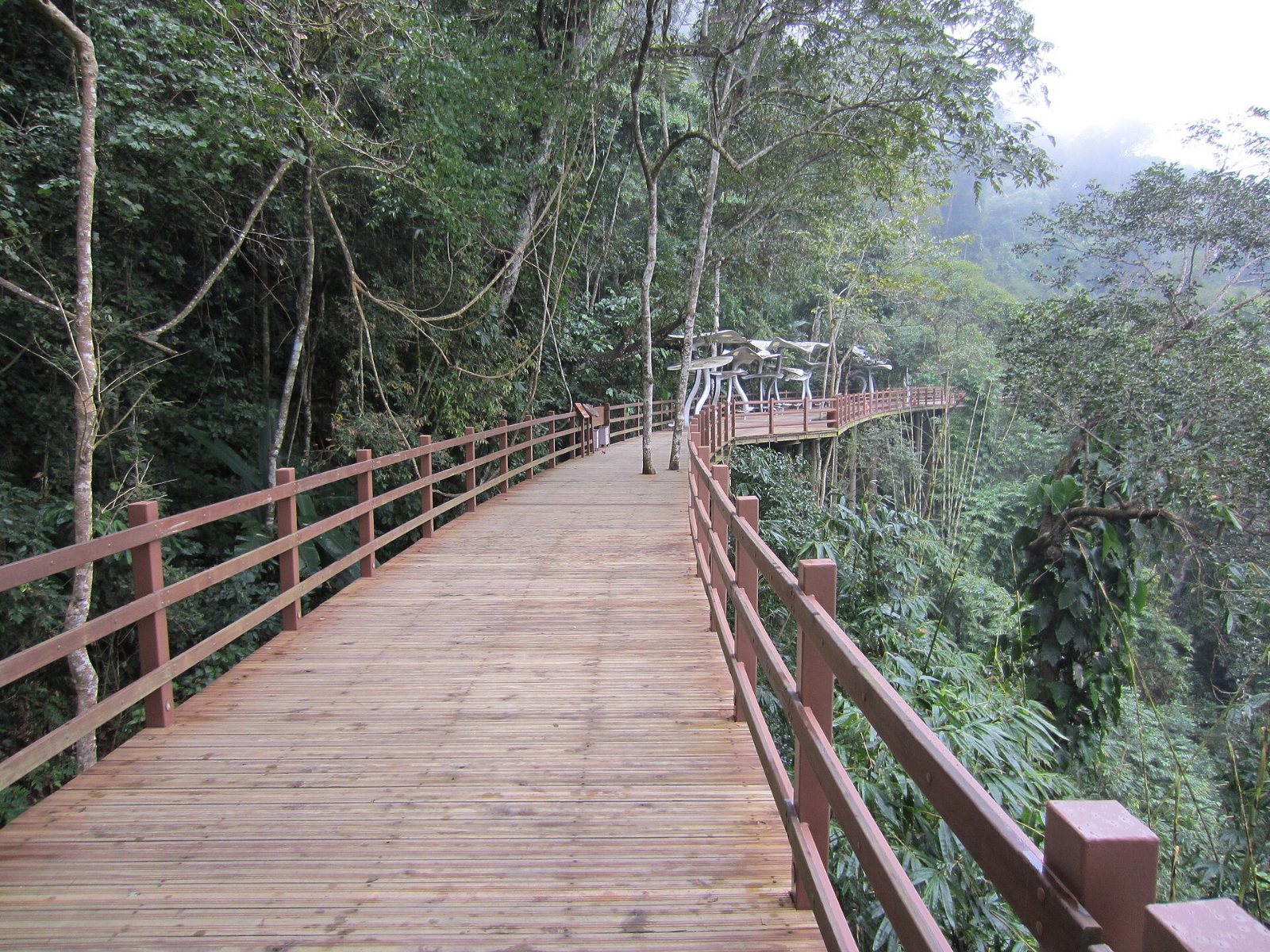
China's wild Asian elephants all live in southern Yunnan, and Wild Elephant Valley is the one place where watching them from above is built into the ground itself: a 2,280-metre elevated walkway runs above the valley floor, which is the point. People stay in the air, elephants keep the ground, and nobody has to be moved for the other to pass. The valley sits inside the Mengyang sub-reserve, on migration ground the herds have used for generations to move between feeding areas, water and shade.

This is a valley, not an enclosure. The elephants range across tens of kilometres of forest and come down more often when the interior is dry — which is why the season matters more here than the ticket, and why a sighting is a piece of luck with a schedule attached rather than a promise. The dry season runs November to April; aim for December to February if the calendar allows.

The plan is honest about the odds: one visit is a coin toss, two mornings in the same week in the same season is a different probability altogether. So the trip carries a spare morning, and bases two nights close to the reserve so the second day starts at the gate instead of on a road.

Route Briefing

In and out of Jinghong, three nights, the valley entered twice from the north. Four stages.

  1. Day 01Jinghong → the reservesettle near the gate, first afternoon session on the walkway
  2. Day 02Wild Elephant Valleythe full rhythm: open of gate, midday context, the two hours before closing
  3. Day 03Wild Elephant Valleythe spare morning — the second coin toss that changes the odds
  4. Day 04The reserve → Jinghonga last look from the walkway, road back to the city

Species odds

What the valley actually offers.

The honest odds of a wild herd — a sighting is a piece of luck with a schedule attached.

Wild Elephant Valley · Mengyang sub-reserve

The north approach · the walkway and observation points

High
Asian elephants in season — around 80 animals in more than ten families use the valley
Medium
the dry-season herds at the first and last hours of the park day
Low
elephants at midday — they avoid the heat, and no schedule fixes that

The 08:00–10:00 and 16:00–18:00 windows are the trip's real timetable. Two mornings in one dry-season week is a different probability from one visit.
The midday hours · context

Museum · rescue and breeding centre · elephant school

Guaranteed
the full story of the valley — explained plainly, not sold

We treat these as optional context. No rides, no feeding baskets, no rainforest-shepherding walks and no shows — the south side stays off the plan.

China's wild elephants number 300+, up from roughly 180 in the 1980s, all in southern Yunnan. The valley's herds range across tens of kilometres of forest; the walkway simply stands where they already walk.

Day by day

The four days.

Two nights close to the reserve, one morning held spare. Each day is built around the hours the elephants keep, not the hours the park is open.

  1. Day 01

    South, and into the valley

    Jinghong → the reserve

    Arrive Jinghong and drive out to the Mengyang side — we would rather base close to the reserve than run it as a day trip, because the sessions that matter are the first and last hours of the park day.

    An afternoon session on the walkway, entering from the north side. The south side is where the shows, feeding baskets and interaction products sit, which is not what this trip is for.

    • OvernightNear the reserve gate
    • DriveUnder an hour from Jinghong
    • SessionThe late hours, 16:00–18:00
  2. Day 02

    The full rhythm of the valley

    Wild Elephant Valley

    The elevated canopy walkway above the valley floor
    Be there when the gate opens, and again before it closes

    The complete day: at the walkway when the gate opens for the 08:00–10:00 window, back again for the two hours before closing. Midday belongs to the heat and to the herd, so it belongs to you too — the museum, a long lunch, and the rescue and breeding centre, in that order, treated as optional context and explained plainly.

    The walkway is where the animals are actually seen. The cableway is a view, not an observation strategy.

    • OvernightNear the reserve gate
    • Sessions08:00–10:00 · 16:00–18:00
    • MiddayMuseum, lunch, rescue centre — in that order
  3. Day 03

    The spare morning

    Wild Elephant Valley

    The second full morning in the same week, in the same season — the visit that changes the probability from coin toss to reasonable expectation, and costs one night in Jinghong's hotels rather than one night of the trip.

    If the valley has already delivered, the morning is spent the way the guide reads it: another slow walkway session, or the reserve's quieter corners, with the rest of the day kept open.

    • OvernightNear the reserve gate
    • SessionThe 08:00–10:00 window
    • If deliveredA slow walkway session, kept loose
  4. Day 04

    A last look, and the road home

    The reserve → Jinghong

    A final short session on the walkway — the last hours the schedule offers — then back to Jinghong for flights out.

    Longer Yunnan journeys branch from here. The province runs two wildlife calendars: the panda forests of the north on a spring-and-autumn one, the elephants of the south on the dry season.

    • OvernightNone — trip ends in Jinghong
    • SessionMorning hours, then the road
    • Pairs withA northern-Yunnan or Sichuan leg

What's included

What is included, and what is not.

A short list for a tropical trip. The left column is arranged before you leave; the right column is either yours or a question we are glad to answer.

Included

Arranged and paid for before you arrive.

  • A wildlife guide, all four days

    English-speaking, with you on every walkway session.

  • Entry and cableway

    Park entry (¥58) and the cableway fee, as listed in the itinerary.

  • Private transfers

    Jinghong door to door — your own vehicle for the trip.

  • Three nights' lodging

    Two close to the reserve gate, positioned for the morning sessions, plus the arrival night.

  • Arrangement and logistics

    Park coordination and the plan itself.

Not included

Yours, or yours to ask us about.

  • Meals

    Not in the quote; Jinghong is one of Yunnan's better food towns.

  • Elephant rides, feeding baskets, shows

    We will not book them — the south side of the valley is off this plan.

  • Getting to and from Jinghong

    Flights are yours to book.

  • Tropical kit

    Long sleeves and repellent are yours; the heat and insects are the lowland's terms.

  • Personal expenses

    Everything else, from laundry to extra batteries.

Ask about any line above and we will answer it in writing before the trip.

Enquiry

Ask us about this one.

Tell us your dates and whether the elephants are the whole point of the trip or one part of a longer Yunnan journey. We will come back with what the dry season is doing, and a written outline with a price.

Response time
One business day
Private tour
Your own dates
Best window
Dec–Feb peak

Trip details

Fields marked are required. This enquiry is filed against this itinerary, so you do not need to repeat the outline. There are no fixed departures to pick — this route runs to your dates, so put them in and we build around them.