Wildlife / Watching well
Distance is the ethic.
Everything else — the lens, the hide, the early start — is a way of buying distance without losing the picture.
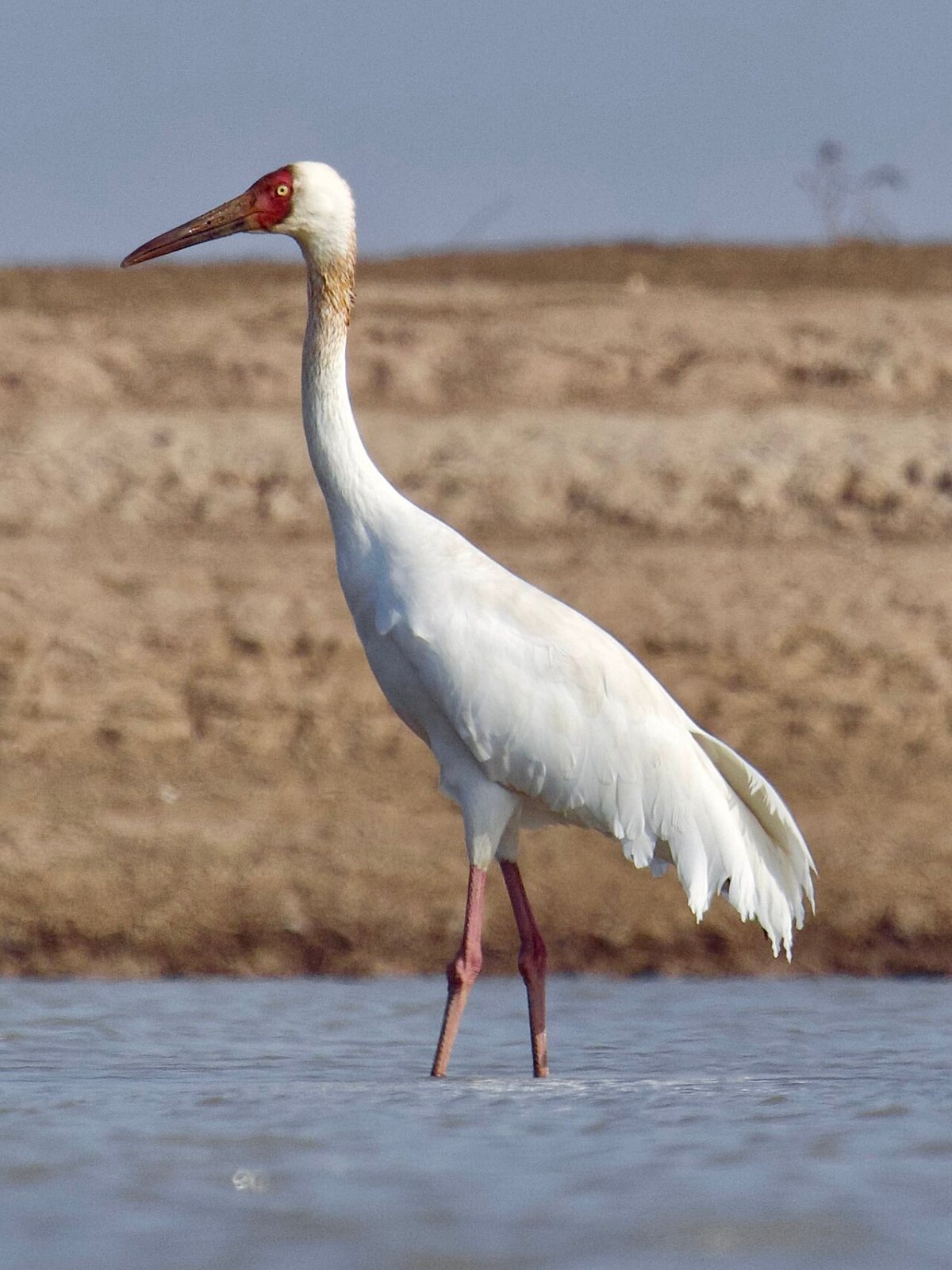
Start this journey brief →Poyang Lake · photographed, not approached
Drones120 m ceilingabove that is controlled airspace; flying there unapproved is an offence, not a grey area
RegistrationRequired, all sizesevery civilian drone must be registered with the civil aviation authority before flight
Reserve zoningCore closedcore zones admit nobody; buffer zones admit research only; tourism belongs in the experimental zone
Foreign visitorsApproval neededentering a national-level reserve requires the host to obtain prior approval
The animal's behaviour is the measuring stick.
There is a simple test that needs no rulebook. If a bird lifts its head and holds it there, you are already too close. If a herd stops feeding and turns to face you, you were too close a minute ago. Distance is not a fixed number in metres — it is whatever the animal in front of you has not yet reacted to, and it changes with species, season, wind and whether there is a chick on the ground.
In China this is also law, not only manners. The Wildlife Protection Law, in force since May 2023, prohibits activity that interferes with the breeding and living of wildlife inside protected areas. The National Park Law, from January 2026, gives park authorities the duty to set visitor capacity and publish behaviour rules, and closes core protection areas to human activity in principle. A guide who keeps the group back is not being cautious; he is keeping the trip legal.
Six things we will not do.
- No drones over birds
Civilian drones must be registered, and anything above 120 m true altitude sits in controlled airspace. More practically, a raptor-shaped object at 50 m empties a mudflat in seconds and costs the flock energy it cannot spare in January. Reserves run their own patrol drones; visitors do not fly.
- No call playback
Playing a territorial or courtship call in winter pulls birds off feeding and into a search for a rival that does not exist. It is also the fastest way to teach a population that this particular reedbed is unreliable.
- No baiting, no handling
Food brought by people changes behaviour, concentrates birds and spreads disease. This is why we book no elephant rides, no feeding sessions and no "schools" where animals perform, and why a hide that requires a bucket of grain is not a hide we use.
- No flash before sunrise
A single flash at a roost in low light scatters birds that have just settled. High ISO and a fast prime cost less than a ruined roost — and the reserve rules at Poyang list no flash as a condition.
- No walking out onto the flat
Trying to close the last fifty metres on foot pushes birds off the food they came 4,000 km for. Use the hide, the tower, the vehicle. Poyang's best viewpoints are free and built precisely so that nobody needs to leave the bank.
- No confusing farming with feeding
Around Poyang, farmers deliberately leave late rice and lotus roots unharvested for cranes and are paid ecological compensation for it. That is a managed landscape, arranged by policy. It is not an invitation to throw bread from a car park.
The paperwork behind the rules.
Zoning decides access
The Nature Reserve Regulations divide reserves into core, buffer and experimental zones. Nobody enters the core; the buffer is for research observation only, with a written application; tourism is permitted in the experimental zone under an approved plan. In practice this means the boundary, not your guide's confidence, decides where a day can go.
Foreign visitors, in particular
Under the same regulations, a host organisation must obtain prior approval before taking foreign visitors into a national-level nature reserve. This is a real administrative step with lead time, and it is one of the reasons a wildlife itinerary cannot be assembled the week before departure.
Commercial filming is separate
Filming inside a reserve is an activity requiring its own approval in most provinces, distinct from a visitor permit. If a crew or a client's brand is involved, we scope that at the planning stage rather than at the gate.
Enforcement is not theoretical
Flying an unregistered drone carries a fine, and flying unapproved in controlled airspace can cost the aircraft as well. Unauthorised entry or refusing to follow reserve staff carries fines of ¥100–5,000. These are administrative penalties with published schedules, applied by police and reserve staff who are on site.
Ready to take it further?