January
Cold, clear and quiet. The city and the monasteries work; the passes are closed and the far west is shut.
 Start your enquiry
Destinations / Tibet / Calendar
Tibet’s year is set by two calendars: the weather on the passes and the permit office. The honest version, month by month.
Explore the guide ↓Tibet, all regions
What each month actually offers, and which route it suits.
Cold, clear and quiet. The city and the monasteries work; the passes are closed and the far west is shut.
Tibet normally closes to foreign travellers for two to four weeks in this window, with dates announced one to two months ahead. Plan April, not March.
The first good month: mild days in Lhasa, snow still on the high passes, and far fewer people than summer.
The classic Everest month: clear mornings, the climbing season under way, cold nights at Rongbuk. Saga Dawa often falls in May or June.
Yamdrok at its most blue, the passes clear, the plateau green. The start of the busiest quarter.
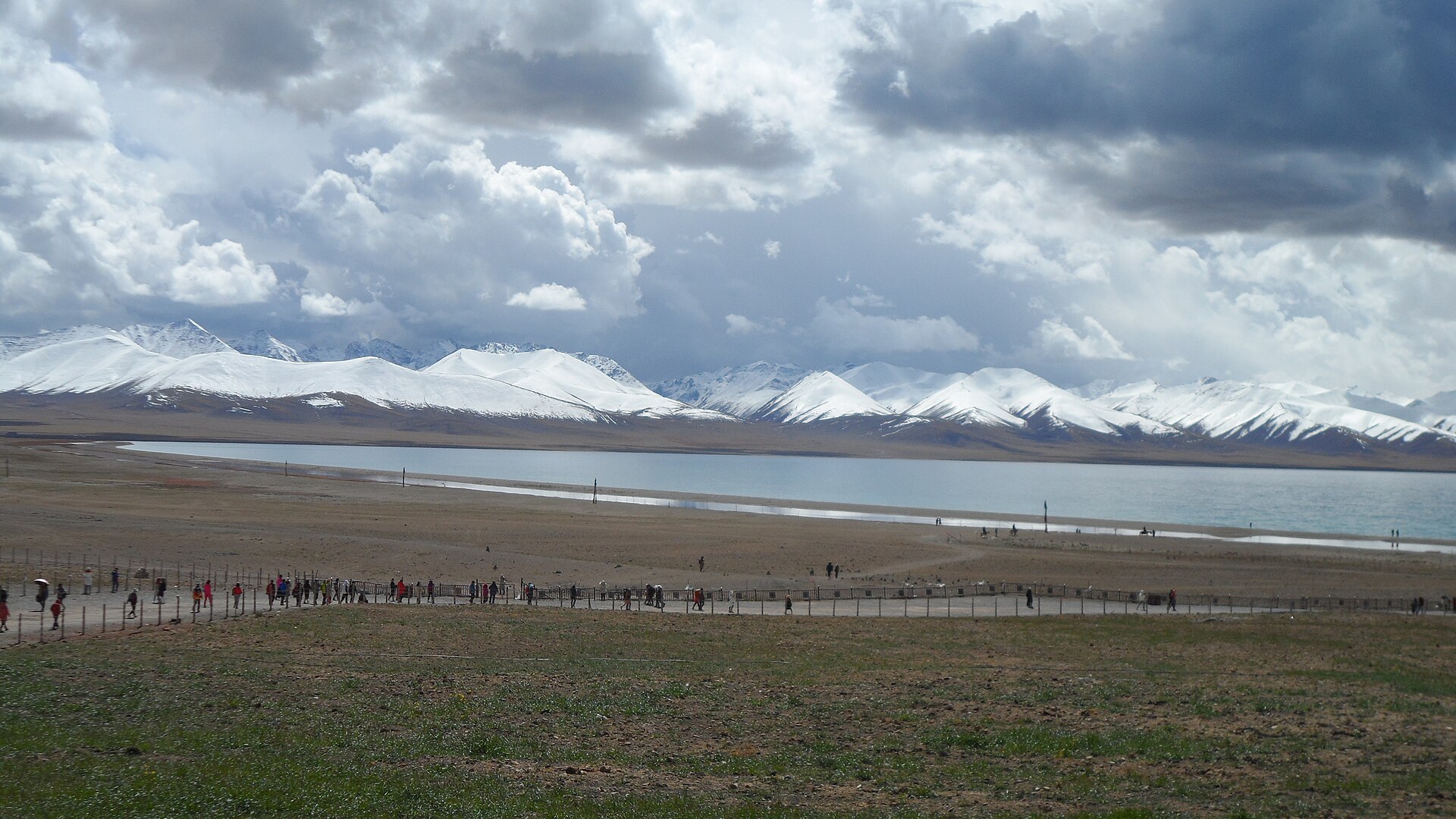
The only comfortable months for western Tibet, with cloud on the ranges and Indian pilgrimage groups at Manasarovar.
Stable, dry and cold, with the highest odds of a clear Everest or Kailash and the roads still open.
Lhasa remains workable and beautiful; the Tingri road and the far west become a gamble, then stop.
Three caveats keep the table true. The permit closure is administrative, not meteorological, and its dates are announced late — so a February or March trip is a bet on someone else’s calendar. The mountain views are a probability, not a promise: Everest is clear on more mornings in October than in July, and never guaranteed in either. And the far west runs on a shorter season than the centre, with the kora effectively closed from November to April.
Every journey page carries its own window; this table is the shape of the year, not the booking terms.