The Jingmai forests
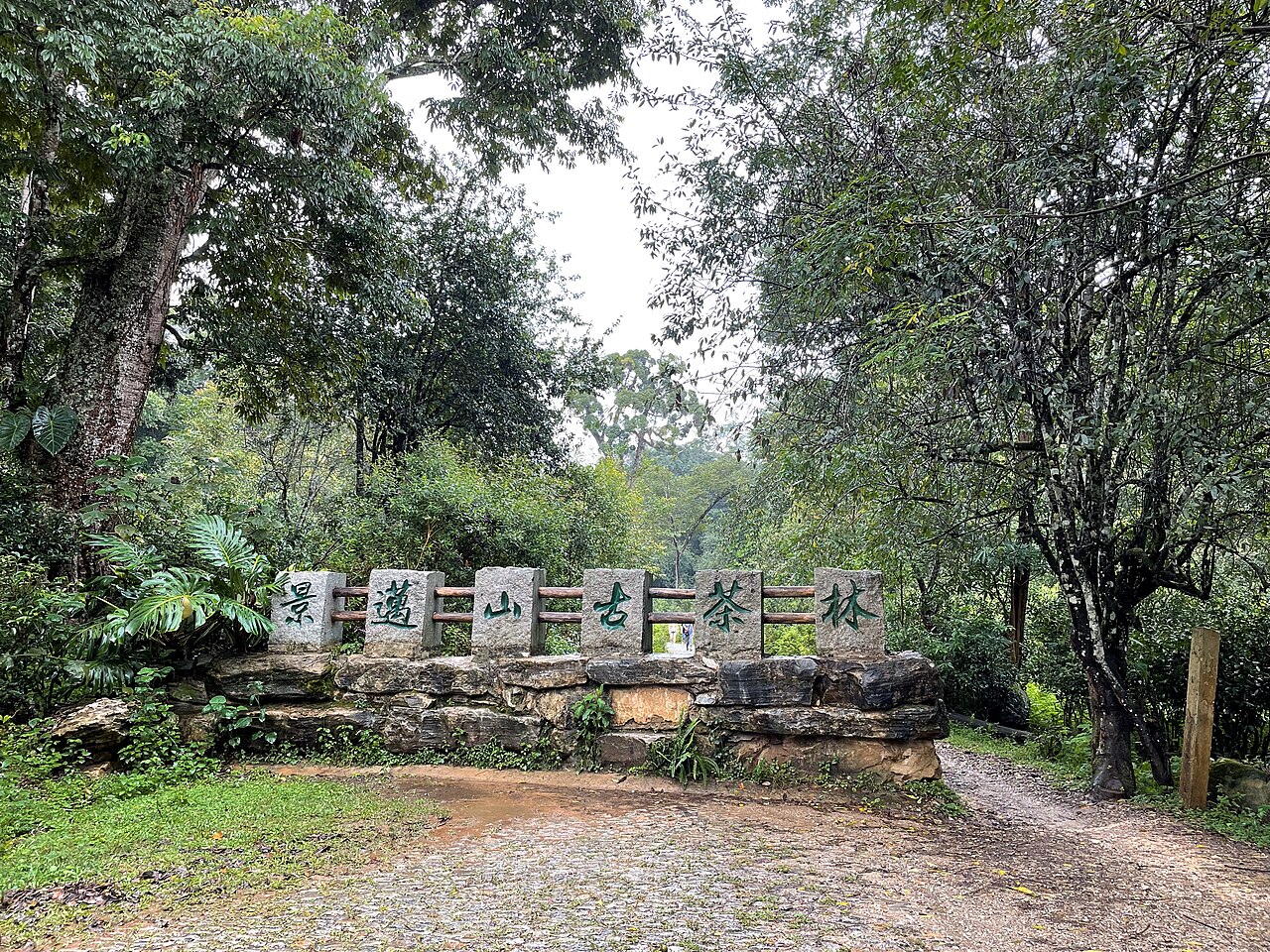
The ancient tea landscape of the Jingmai mountains — walk the gardens with a tea family, press a cake, and start the road where the tea does.
 Start your enquiry
Destinations / Yunnan /
A thousand years of tea walking north and horses riding south: the road's first kilometres in the Jingmai forests, its finest way-station at Shaxi, and the pressed-brick economy that carried it.
Explore the guide ↓Yunnan → Tibet · the caravan road
The tea-horse road is really a network: from the tea mountains of southern Yunnan, mule caravans carried tea pressed into bricks north through way-station towns — Pu'er, Mohei, Weishan, Shaxi, Jianchuan — climbing four vertical kilometres to the Tibetan plateau, where the tea traded for horses and the road continued to Lhasa. The trade ran for a millennium; its infrastructure — paved paths, market squares, temples, inns — still dots the province.
Walking it today is a journey through Yunnan's working history: the ancient tea forests where it began, the way-station squares where the caravans bedded down, and the mountain sections where the original stone stairs survive. This guide maps the road's Yunnan half and how to walk its best kilometres.
From origin to plateau.
The ancient tea landscape of the Jingmai mountains — walk the gardens with a tea family, press a cake, and start the road where the tea does.
Stone stairs and way-station ruins north from the tea country — half-day walking sections on the muleteers' own path.
The Nanzhao-era town at the Red river's source — the quieter way-station, with the drum tower and a street life entirely local.
The market square the caravans built — gate towers, stage, temple and cobbles — still assembling its Friday market a thousand years on.
The road's hardest kilometres — the gorge crossing and the climb to the plateau, now the province's classic journey line.
How to do it well.
The full road took caravans months; the journeys walk its best 1–3-day sections and drive the connecting lines.
Shaxi and Jingmai make the road's finest overnight stays — build two nights in each rather than a day-trip rush.
The road makes more sense after a pressing session — learn the brick economy from the families who still press, then walk the paths that carried it.
The middle altitudes walk well from October to June; the monsoon turns the stone stairs slippery. Autumn is the connoisseur's window.
Tell us how far you want to walk — we will cut the caravan sections to your legs and dates.
Start my journey brief ↗