The base
Merino or synthetic base layers — the single most useful item on a plate with 20-degree daily swings.
 Start your enquiry
Destinations / Xinjiang /
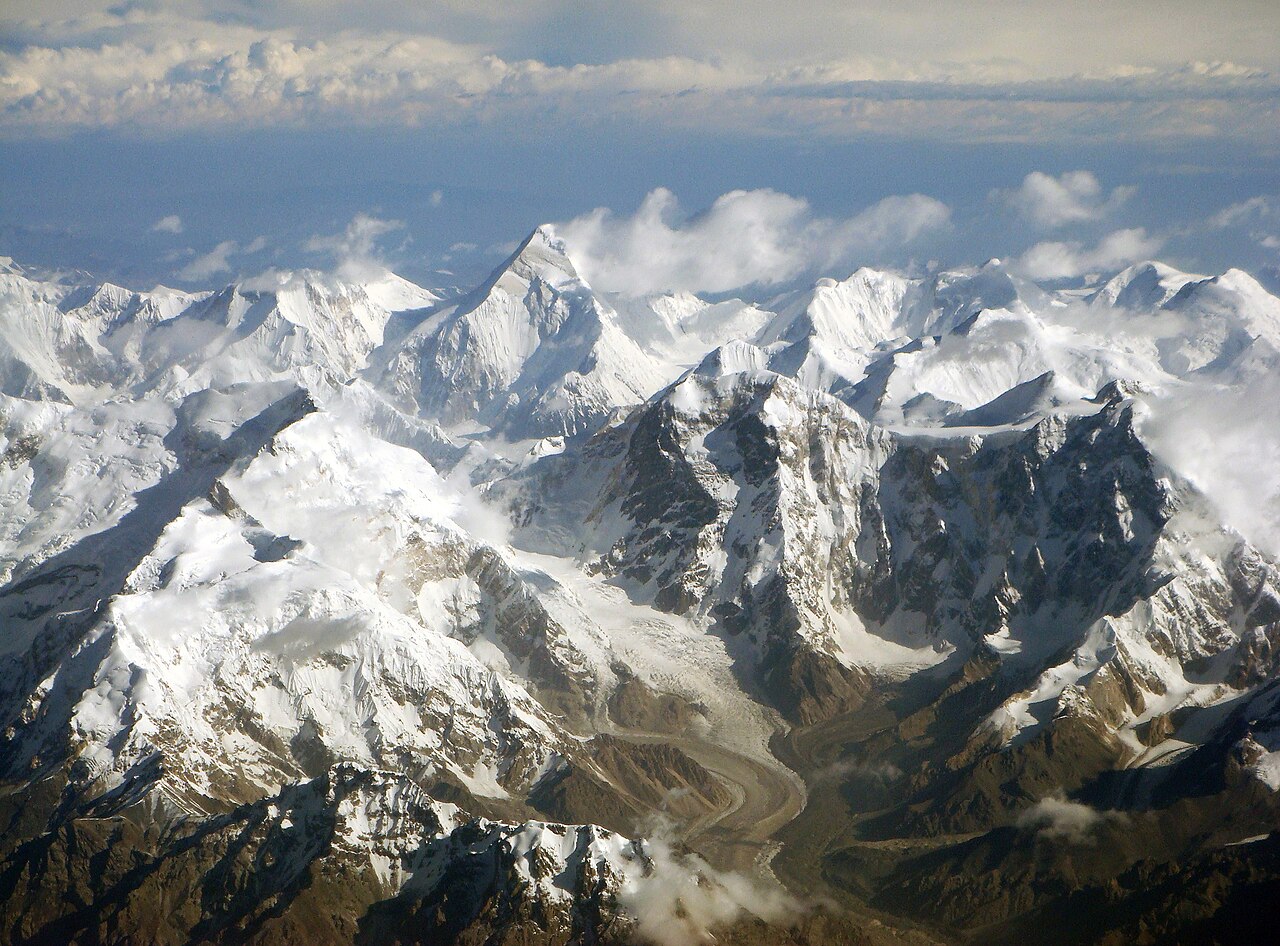
The plate spans 154 metres below sea level to 7,546 metres above it — how we manage the altitude step by step, and what to pack for desert, grassland and snow in one bag.
Explore the guide ↓The whole plate · body & bag
Most of the plate sits low: the oases run 900–1,400 m, the Ili valley 1,000–1,900 m, the grassland trails to 2,900 m. The two altitude steps are the Kanas country (1,300–2,000 m — no issue) and the Pamir, where the highway climbs to 3,600 m at Karakul and the county town sleeps at 3,100 m. That step is real but modest, and we manage it the standard way: climb once, sleep the first plateau night gently, no alcohol, and a schedule that does not rush.
The honest exceptions: the Wusun and Xiata treks cross passes to 3,400–3,900 m on foot, and the Muztagh Ata expedition is a full high-altitude undertaking to 7,546 m. Those journeys screen for fitness and medical history at booking, and anyone with cardiac or respiratory history takes medical advice before any of them.
The layering system that covers the plate.
Merino or synthetic base layers — the single most useful item on a plate with 20-degree daily swings.
The dinner-at-the-yurt layer: evenings everywhere run cool, even after hot afternoons.
A proper shell for the grassland squalls and the pass winds — waterproof over umbrella, always here.
Walking shoes for the oasis days; boots for the treks and the winter ice. New boots on a trek: the classic error.
High-SPF sunscreen, sunglasses, brimmed hat — the plateau UV and the desert glare out-run the temperature.
The desert and the yurt nights run on headlamps; the dry air makes lip balm a medical item; the bottle is non-negotiable at altitude.
The seasonal additions.
The grassland kit plus serious sun protection; the oasis rim needs heat management — light colours, water discipline, the dawn schedule.
A real warm layer for the 5 a.m. starts: the valleys sit near freezing at dawn in late September even after warm afternoons.
The ski belt runs −20°C and below: proper insulated boots, a real down parka, and the ski kit hired on-site at the resorts — ask us for the current rental standard.
Even in July the plateau nights approach freezing at 3,600 m — the down layer that stayed in the bag all trip earns its weight on night one.
The Kumtag camp swings hard: hot dusk, cold dawn — the same layering system, and the camp provides the heavy bedding.
Book a journey and the outline comes with the exact packing list for its season and altitude.
Start my journey brief ↗