Band 1 · around freezing to −10°C
A sunny Chongli afternoon, an early-season Altai day, a southern indoor session. Normal ski layers work; the risk is wet snow and removing a layer too late.
 Start your enquiry
Our adventures / Skiing / Cold scale
The question is not just how cold it gets. It is how long you can comfortably stay outside, and what the itinerary does between one warm interior and the next. Here is the scale we plan against.
Explore the guide ↓All five snow regions · a planning tool, not a forecast
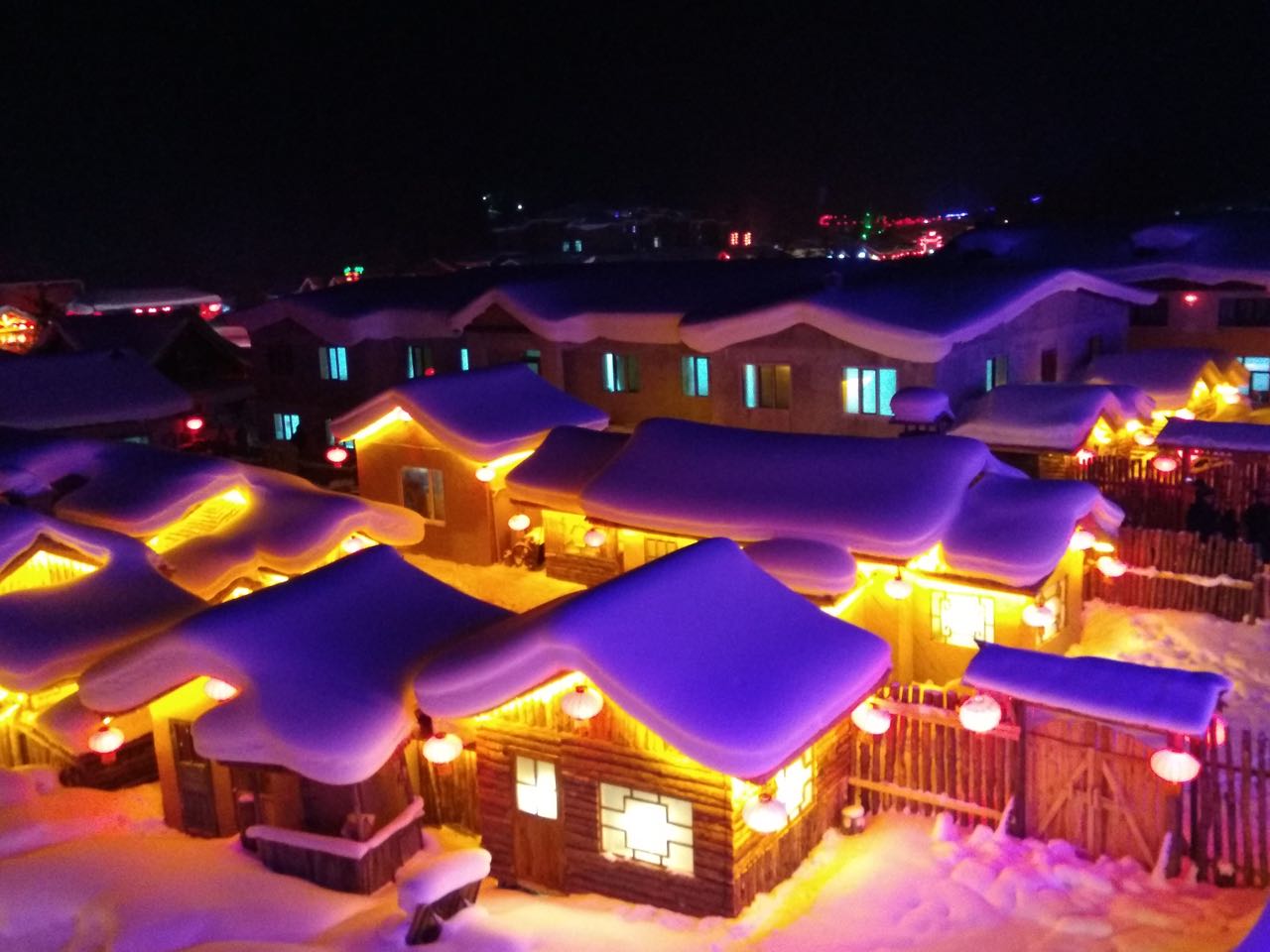
Travellers usually prepare for temperature. Guides prepare for exposure. A sunny, windless afternoon on a Chongli piste and a windy −10°C morning on an exposed Altai ridge are not the same day, and a lantern-lit street in Snow Town after dark is colder again than the thermometer suggests. Wind, wet clothing, standing still and the length of the outdoor block decide whether a day works. That is why this page is a scale for planning, not a set of meteorological claims.
The four bands below are deliberately approximate. We use them to decide how many hours a group spends outside in one stretch, where the warm interior sits in the day, what kit is issued at booking and which journeys are sensible for a given traveller. Harbin in January can run roughly −15 to −30°C; the Altai is dry cold with long transfers; the southern snow fields and indoor sessions are where a cold-sensitive traveller can still have a first day on snow. None of these is a forecast for your dates — we check the outlook and the resort status before the journey is fixed.
One principle runs through all four bands: the answer to extreme cold is structural. Short outdoor blocks with a heated room, a long lunch or a hot spring between them let you see the ice city, the rime dawn or a Snow Town evening and still enjoy the week. A better jacket helps. A well-built day helps more.
Approximate ranges, used for kit and scheduling decisions.
A sunny Chongli afternoon, an early-season Altai day, a southern indoor session. Normal ski layers work; the risk is wet snow and removing a layer too late.
Most ski days in the Altai, Jilin and Heilongjiang sit somewhere here. Three layers, dry spare gloves, a warm lunch break and short static waits at lifts.
Harbin in January, Snow Town after dark, Mohe in deep winter. Outdoor blocks of well under an hour, a heated interior between them, no standing still for a photograph.
Rare, usually at night or with wind. The plan changes: indoor mornings, a short single objective outdoors, and no attempt to complete the printed programme.
In the order we ask people to pack it.
A base layer that stays dry, a mid layer you can remove, a shell that stops wind. Overheating on the lift and then standing still in damp base layers is the most common mistake.
One to wear, one drying indoors. Cold hands end a ski day faster than cold feet, and wet gloves do not recover on a chairlift. Read more →
Ice on village paths and hotel steps is the everyday hazard. One pair of proper socks, not two thin ones that compress the boot.
A neck gaiter, goggles for wind, and spare camera batteries kept in an inside pocket. Lithium cells fade fast in the cold and recover when warmed. Read more →
Four decisions the guide makes on the ground.
In deep cold the ice-city visit, the rime dawn and the Snow Town evening become short, deliberate outings with a warm room either side.
Morning light for photographs, the outdoor objective before the wind gets up, the long indoor lunch at the coldest hour. Read more →
In the volcano country a hot spring is the natural second half of a ski day; in Harbin it is a museum, an old-town walk and a long lunch. Read more →
Children, older travellers and anyone with cold-sensitive conditions get a shorter day by design, not as a last-minute concession. Read more →
Cold tolerance varies more than ski ability. Send us your dates, your group and your honest answer to that question — we will build the days around it.
Start my journey brief ↗