
The meter.
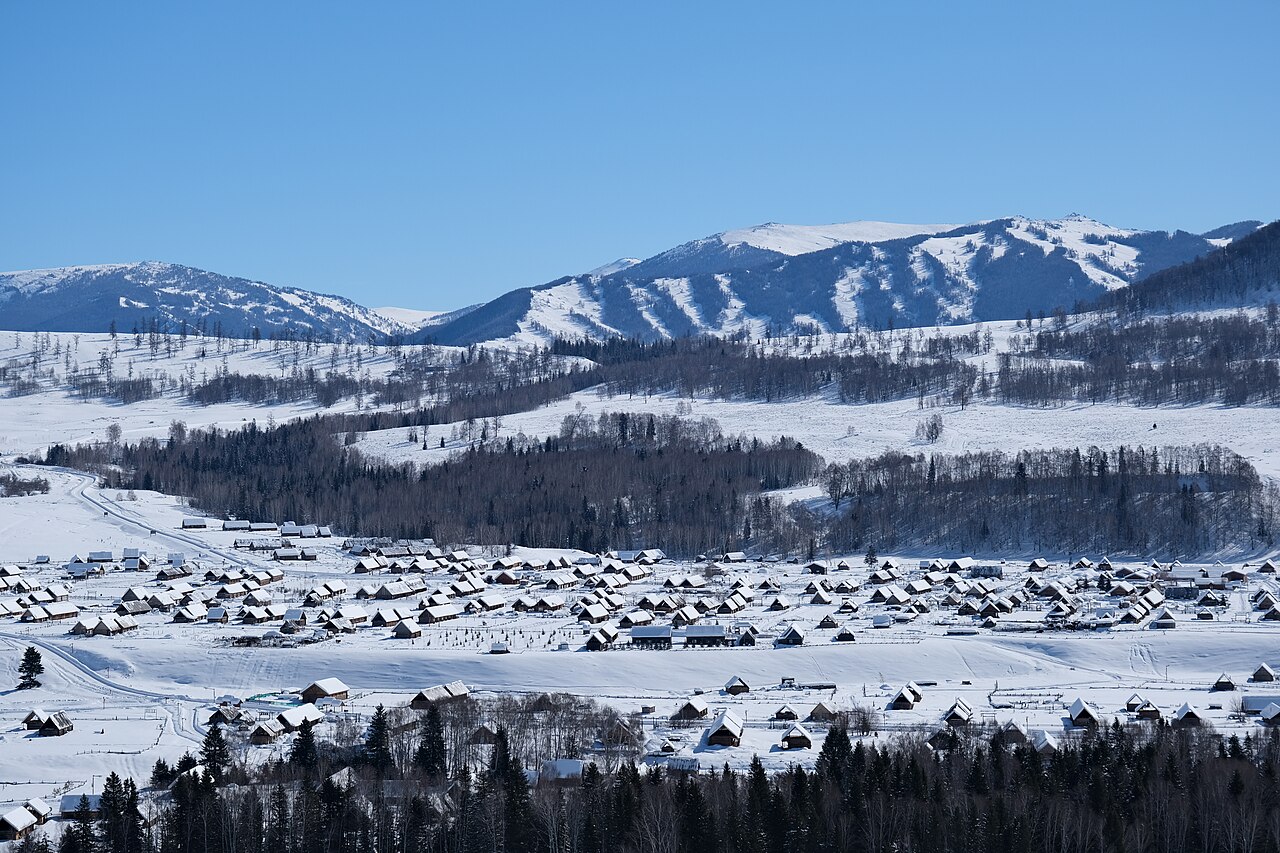
A camera meter assumes the world averages to a middle grey, and a snowfield refuses to cooperate. Left to itself it darkens the scene, turning white into dull grey and losing shadow detail. We dial in positive compensation and check the histogram rather than the rear screen, which is hard to read in glare. The aim is snow that still holds texture: the ripple of wind, the edge of a track, the grain of a drift.
We set this once and revisit it as the light changes. A frame with dark trees reads differently from an open slope, and a meter right at dawn is wrong by mid-morning. Bracketing costs nothing and saves a morning. We would rather have a flat file we can adjust than a plausible frame with clipped highlights.
The cold.
Low temperature takes charge of the equipment. Batteries deliver less in the cold, so we keep spares close to the body and rotate them rather than waiting for one to fail. A cold lens moved into a warm room fogs immediately; we seal the camera in a bag before going indoors and let it warm gradually. Condensation, not the cold, does the damage.
The same rule applies in reverse. We avoid breathing on the viewfinder, keep snow off the barrel, and brush it away rather than wiping with a warm hand. Thin gloves are a practical necessity, and some adjustments will be clumsy. The meter & histogram are simple to check; keeping a camera usable is mostly about managing transitions between inside and out.
The light.
Early light is the reason to be out at all. Low sun rakes across the surface and gives snow its form, picking out drifts and tracks that flatten once the sun climbs. Shadows run long and the window is short enough that we choose one location. We arrive before the light is good and stay through the change from blue to neutral.
Overcast has its own use. Flat light removes harsh contrast and suits close details: frost on a branch, a boot print. The soft, directional hours suit the wider ground. We match the subject to the sky. What we avoid is assuming a bright white day is automatically a good one. Snow is difficult precisely because it looks simple.
Keep reading
The shortest daylight
How rime forms
The snow calendar