
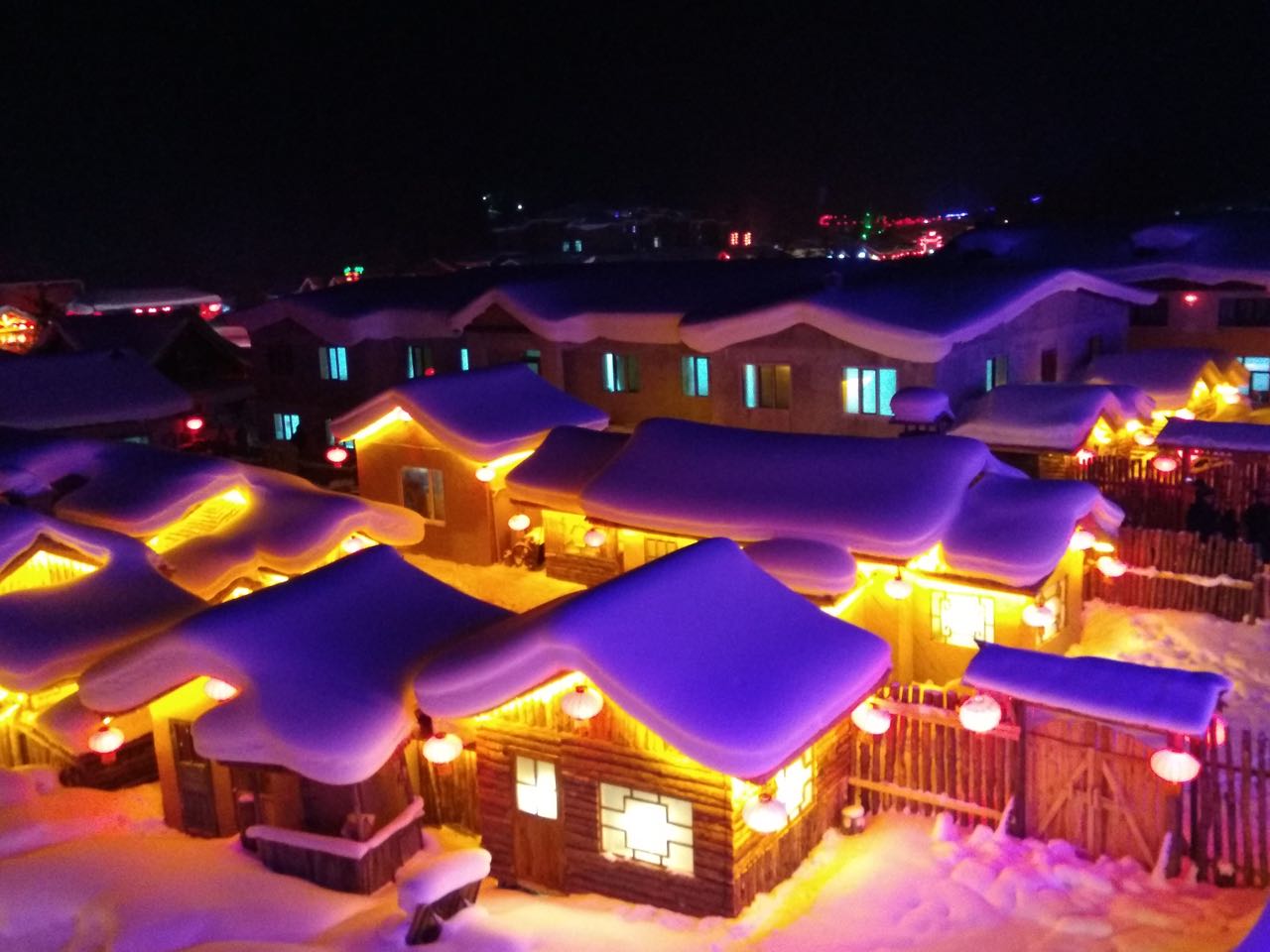
The light.
At this latitude the winter sun does not so much rise as arrive sideways. It clears the low horizon late, crosses a shallow arc, and is gone while the morning still feels unfinished. The light stays warm and oblique, and the shadows run long across the snow. We stop treating daylight as a backdrop and start treating it as a resource with a small, fixed budget.
Nothing about this is dramatic. There is no single event to watch, only a slow brightening that never quite becomes full day and a dimming that begins earlier than expected. Cloud flattens it further, so the difference between an overcast morning and a clear one is mostly contrast rather than colour. We keep the plan loose; the useful window can close before a scheduled outing starts.
The daily rhythm.
A short day reorganises everything. We move the outdoor hours into the middle, keep one main errand rather than several, and leave the dark margins for indoors: meals, drying, reading, and the ordinary work of staying warm. The cold is dry and still, which makes it manageable in motion and punishing when standing still. People here build their mornings around the light and their evenings around the stove, and we find it sensible to copy that order rather than resist it.
Transport and opening hours follow the same clock. Anything that depends on daylight is a midday matter, and we re-check local arrangements before dates are fixed rather than assuming a summer timetable still applies. The result is a slower itinerary with fewer stops. That is not a compromise; it is simply what the latitude allows, and fighting it only produces cold, rushed, and poorly seen days.
Not a ski trip.
We are careful about the label. This is winter travel, not skiing: there is no piste to structure the day, no lift to measure progress, and no reason to bring the expectations of a resort. What the place offers is the experience of being far north in the coldest part of the year: the quality of the light, the stillness of the air, and the way a settlement functions when the sun is barely present.
That distinction shapes what we pack and how we brief the days. Warmth, spare batteries, and patience matter more than equipment tuned to a mountain. We go to observe a season rather than to use it, and we come away knowing how much a short day can hold. The trip is worth making precisely because it asks for so little activity.
Keep reading
Walking a frozen river
Photographing snow
The cold scale