January – February
Cold and dry, often hazy on the plain. Snow on the Taihang rim can close the cliff roads; the temples, the pagoda forest and the museums are empty.
 Start your enquiry
Destinations / Henan / Calendar
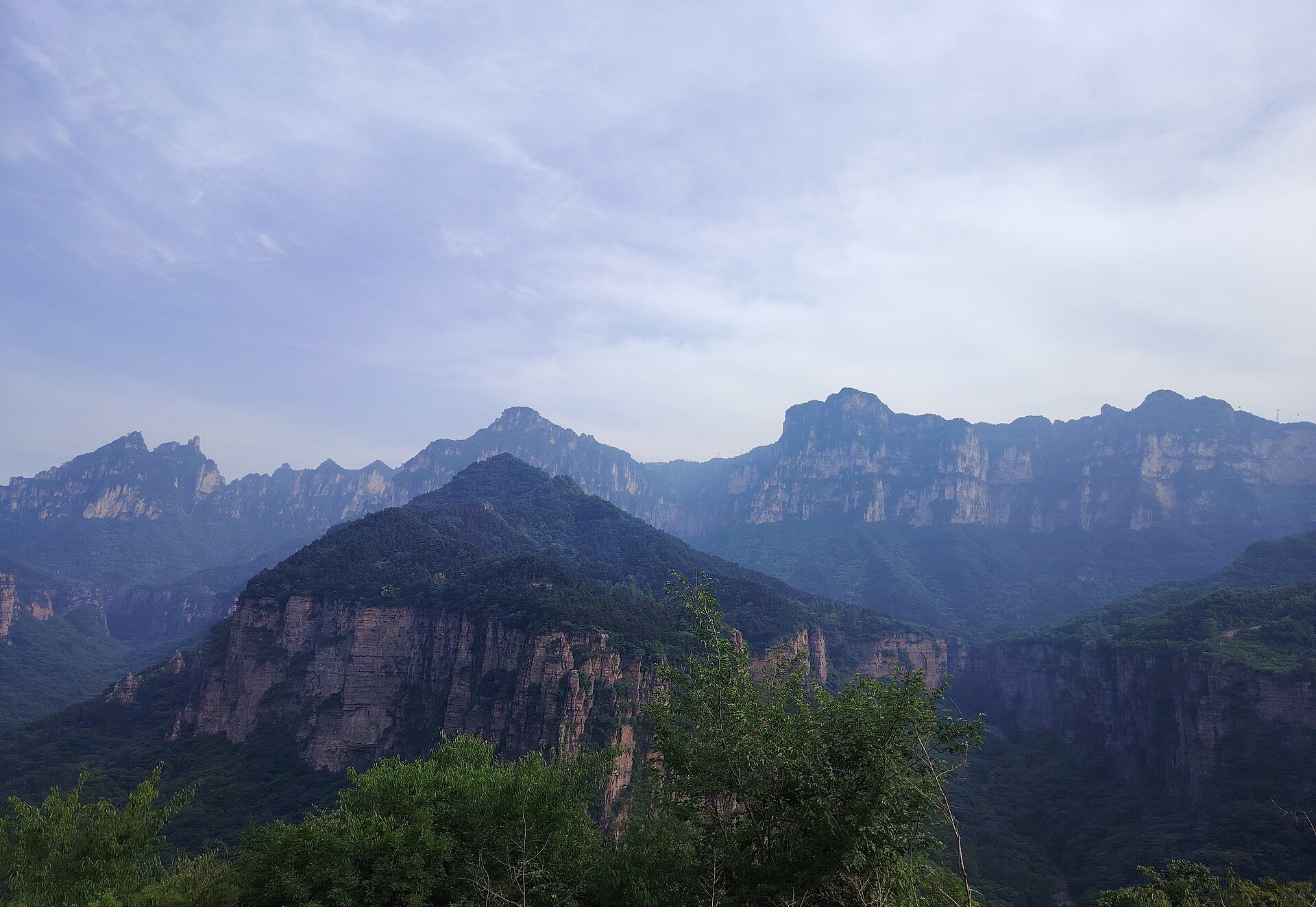
Twelve months across a cliff wall, a granite range and the mountain in the middle of the plain. The province has one long dry spring, a wet July, and an autumn that is worth planning a year around.
Explore the guide ↓Central China · 31–36°N
Henan is far enough inland that its weather is continental: cold, dry winters, hot summers, and a short spring that arrives fast. What complicates it is the monsoon, which reaches this far north in July and August and produces the year’s rain in two months rather than spreading it.
The consequence for a traveller is that the two ends of the season are better than the middle. April and May are dry, warm and green; September and October are dry, clear and the best light of the year. Between them, July and August are hot, humid and wet — which is exactly when the waterfalls at Yuntai and the Taihang are at their best, so the wet months are not wasted, they are just a different trip.
What each month is actually good for.
Cold and dry, often hazy on the plain. Snow on the Taihang rim can close the cliff roads; the temples, the pagoda forest and the museums are empty.
Warming fast, green returning, and dry. Late April brings the peony festival to Luoyang, which is the single busiest fortnight of the spring.
The most comfortable month on the cliffs and the summits: dry, warm, long days. Busiest around the May Day holiday at the start of it.
June is hot and sticky; July brings the monsoon. The canyons run full, the Taihang falls come alive, and the cliff paths get slippery.
Hot on the plain, 8 to 10 degrees cooler on the rim. The peak of the domestic season at Yuntai and Laojun Mountain; early starts are the only defence.
The clearest air and the lowest humidity, with colour from mid-October. October is the best month in the province, and the busiest.
Cold, clear and hard light. The first snow on the peaks, the canal still running, and almost nobody on the stairs.
Two months that decide the water.
July and August, with the heaviest falls in the second half of July. It arrives as afternoon thunderstorms and multi-day fronts rather than as steady drizzle.
Fills the Yuntai waterfall and the Taohua Valley cascades, turns the Red Flag Canal brown, and closes exposed cliff sections after lightning. It also clears the haze that sits over the plain for much of the year.
Come for it if you want water, and build a spare day into any itinerary with a cliff walk in it. The storms are usually afternoon events, so mornings are reliably usable.
Dry cold, hard light, closed roads.
Above about 1,500 metres: the Taihang rim, the Songshan summit, Laojun Mountain. The plain gets a dusting a year and the cities get ice.
Sections of the Guoliang gallery and the Taihang Sky Road after snow, the Yuntai summit road in ice, and the upper stairs at Laojun Mountain. Ask locally rather than trusting a website.
The pagoda forest under snow, the canal with nobody on it, and the clearest air of the year on the plain. Bring real winter clothing; the wind on the rim is the problem, not the temperature.
Three periods to avoid or book around.
The first week of May. The cliff roads, the Yuntai shuttle and the Laojun cable cars all run at capacity. Book beds six weeks ahead or shift the trip by ten days.
The first week of October, which is also the best weather of the year. The worst combination in the calendar: book everything, or travel in the second half of the month.
Late January or February, when transport is at its tightest and half the restaurants are shut. Not a good week for a first visit to the province.
Tell us the weeks you can travel and whether you want water or dry rock. In Henan those two answers point at opposite ends of the year.
Start my journey brief ↗