Rehai geothermal valley
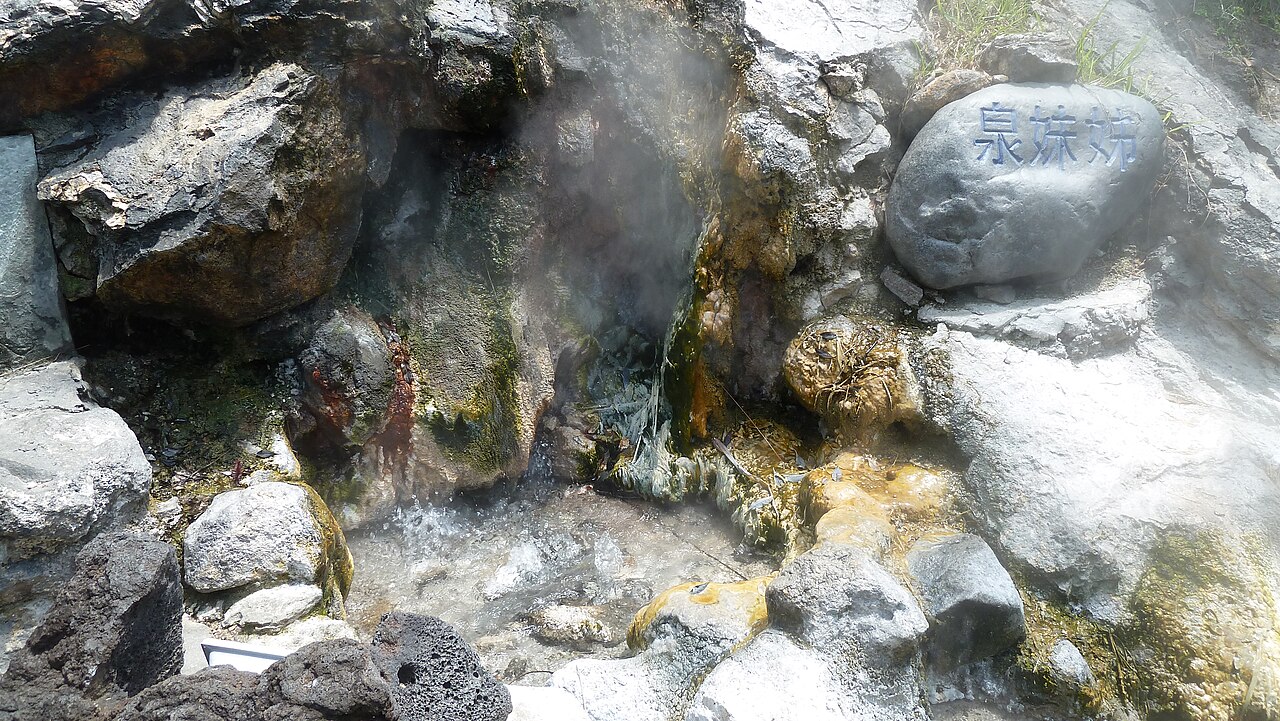
Boardwalks over steaming springs, the Grand Hot Kettle boiling at the valley head, and the bath houses at every grade. Go early or late — midday crowds are real.
 Start your enquiry
Destinations / Yunnan /
A town that has always faced Burma, built on sixty-eight young volcanoes and soaked in their heat: boiling springs in the Rehai valley, stone lanes in Heshun, and a wetland floating on its own roots.
Explore the guide ↓Baoshan prefecture · 1,600 m · the border west
Tengchong sits on the far western plateau near the Myanmar border, and everything about it is geology and trade. Sixty-eight young volcanoes dot the plateau — you can walk the crater rim of Dayingshan — and their heat still runs the show: the Rehai ('sea of heat') valley boils, steams and cooks eggs in its springs, and the town's bath culture ranges from village pools to serious resort soaks.
The cultural layer is unexpectedly deep. Heshun, the stone-lane village outside town, was built by a community that went to Burma and came back rich — its 1928 village library still stands, the ancestral halls line the lanes, and the whole place reads like a merchant republic of the border. Add the Beihai wetland (a floating peat mat you cross by boat), the border-market energy, and the nearby Gaoligong forest with its birds, and Tengchong fills a week without repeating itself.
Six stops around Tengchong.
Boardwalks over steaming springs, the Grand Hot Kettle boiling at the valley head, and the bath houses at every grade. Go early or late — midday crowds are real.
Dayingshan's crater rim walk and the volcanic boulder fields — the cones are climbable by steps, and the views run to the border ranges.
Stone lanes, ancestral halls, lotus ponds and the 1928 library — the best single village visit in western Yunnan, best in a slow morning.
A lake crossed by boat and floating walkways over a mat of peat and grass — botanically remarkable, and quiet outside holidays.
Ginkgo village turns gold in November — the courtyard-gingko landscape at its annual best, timed to the leaf fall.
The forest wall east of town — hot-spring-side walks, hornbills overhead in season, and the birding hides that made the region famous.
The details that make the far west work.
Tengchong Tuofeng airport flies from Kunming in about an hour; Baoshan connects by rail and road. The Gaoligong road from Baoshan makes the scenic entry.
Two nights covers springs, volcano and Heshun; add a third for the wetland and the forest walks. The birding week extends east into the Gaoligong.
Tengchong borders Myanmar; the main routes are open to foreign visitors. We confirm current conditions per departure, as on every western-Yunnan journey.
The baths are serious culture — follow the house rules (shower first, no suits in some traditional pools), and let the guide translate the etiquette.
November's ginkgo gold and the winter springs make Oct–Apr the window; summer is green and wet, with the wetland at its most botanical.
Tell us your season — springs, ginkgo or birds — and we will build the far west around it.
Start my journey brief ↗