Manage the wild-panda expectation
A wild panda here is a camera-trap story, not a sighting. Plan around the base, the monkeys and the ungulates — and treat any wild panda as a once-in-a-career event.
 Start your enquiry
Wildlife / Wolong reserve
China's first great panda reserve: two hundred thousand hectares of cliff and forest, the research station that wrote the book on wild pandas — and the one place a panda sighting is guaranteed.
Start this journey briefSichuan · Wenchuan County, Qionglai range
Wenchuan County, Ngawa — about two hours north-west of Chengdu on the G350 corridor
1,150 m river valleys to 6,250 m on Siguniang Shan, inside the reserve's western border
the fourth national survey count — roughly one in ten of China's wild pandas
the breeding and re-wilding centre at Genda town, 1,700 m
Wolong was established in 1963, expanded to 200,000 hectares in 1975, joined UNESCO's Man and the Biosphere network in 1979, and became the core of the Sichuan Giant Panda Sanctuaries World Heritage inscription in 2006. In the late 1970s the Wuyipeng field station — a slope of tents and wooden stairs above the valley — produced the first long-term study of wild panda life, published in several languages as the classic of the field.
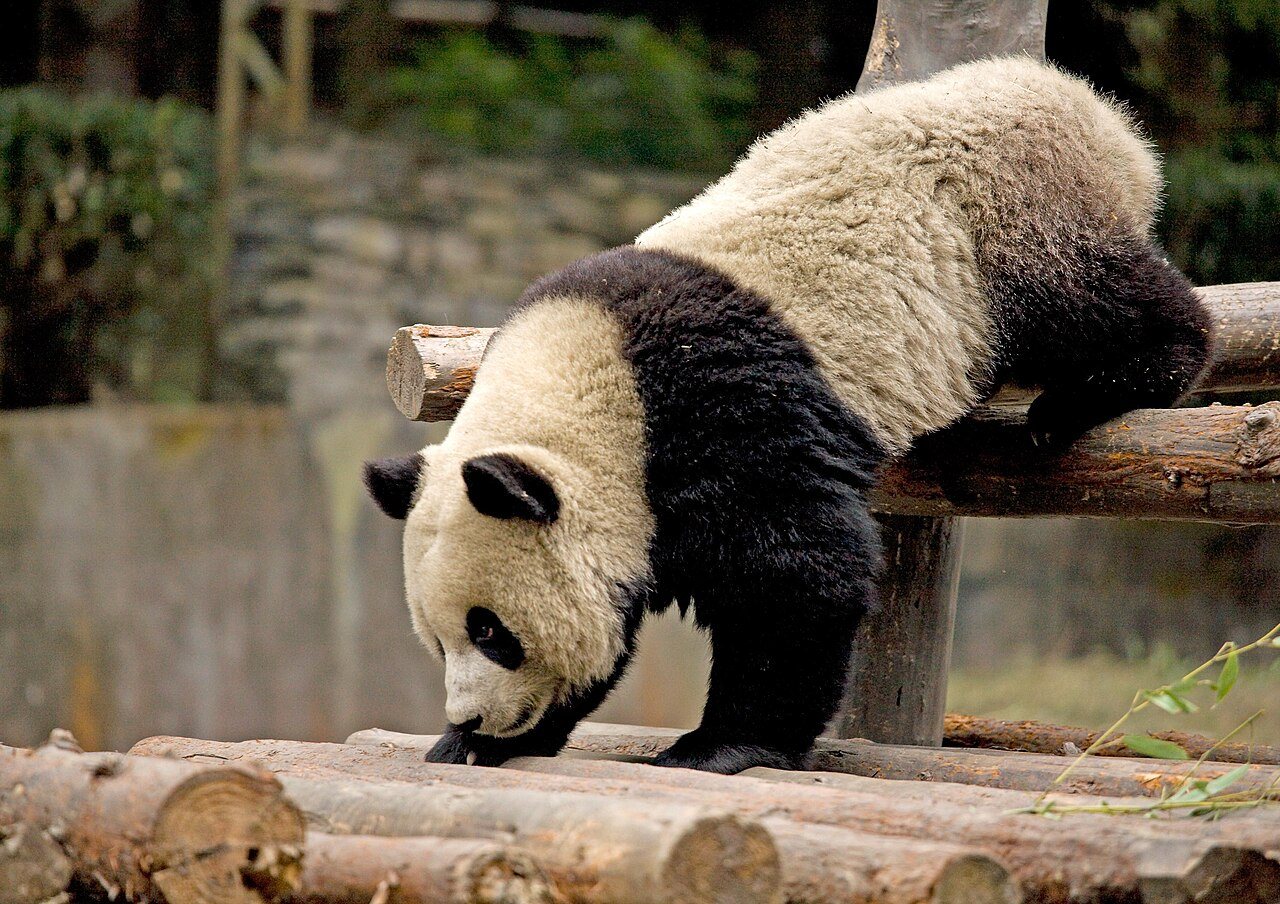
The reserve also keeps the honest distinction that shapes every visit: the wild pandas of Wolong are almost never seen. What visitors do get is the world's best-understood panda population, the Shenshuping base where you can watch dozens of them at close range — including the returnees flown back from abroad — and a valley full of takin, sambar and golden snub-nosed monkeys whose presence the research made measurable.
The base at Genda holds the largest breeding population anywhere, set in bamboo groves at 1,700 m. Go at opening time; the pandas are fed and most active through the first two hours.
Beyond the panda road the reserve runs forest trails through the Denseng direction — takin and sambar country, golden pheasant in the leaf litter, and the greenest river you will see all trip.
The reserve's museums and field panels explain the re-wilding programme that has sent captive-bred pandas back to these mountains — context no city panda base can give you.
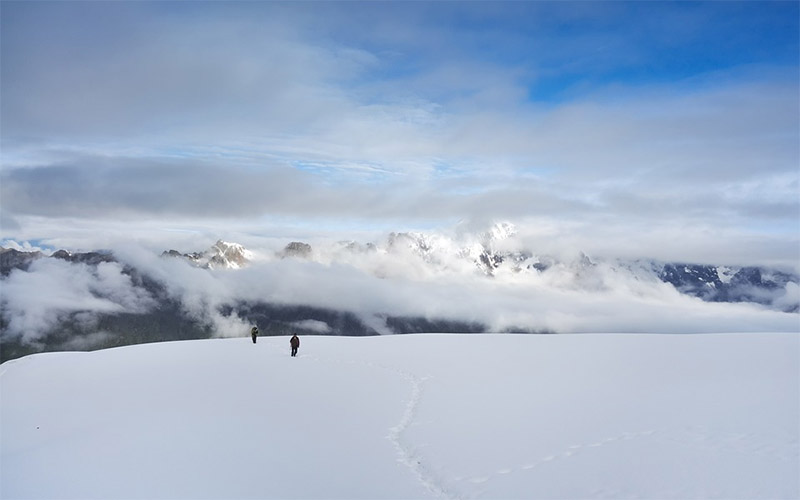
The reserve's western border climbs to the 6,250 m massif itself. On a clear day the high country is the reminder of how much vertical this one reserve holds.
A wild panda here is a camera-trap story, not a sighting. Plan around the base, the monkeys and the ungulates — and treat any wild panda as a once-in-a-career event.
The G350 follows the Pihe river valley through the reserve, which makes access easy and reminds you that this is a lived-in landscape, not a sealed box.
Shenshuping caps daily visitors and sells out around Chinese holiday weeks; on ordinary weekdays it is quiet by 10 a.m.
Wolong sits on the road to the Siguniang area and the western Sichuan mountains — most of our journeys run it as the first reserve of a longer line, not the only one.
Wolong opens our nature-reserve hiking journey and anchors the panda leg of the mammal tour.
Start a journey briefThe nature-reserve hiking tour · Seeing pandas in China: the honest field guide