Captive and wild are different trips
The lake is a breeding centre with a ticket desk. The recovery story lives in the reserve’s own patches, and visiting them is a working visit arranged in advance.
 Start your enquiry
Wildlife / Field guide
Two hundred million years of lineage, then fewer than two hundred animals left in the Yangtze wetlands. The recovery is now measured in nests, dens and hatchlings.
Start this journey briefXuancheng, Anhui · zhangwit · CC0
the lower Yangtze wetlands of the Anhui Chinese Alligator reserve — 5,188 ha across five counties
the 2025 count, from under 200 at the low point
with more than ten thousand captive-bred animals behind the reintroduction programme
they brumate from late November until March
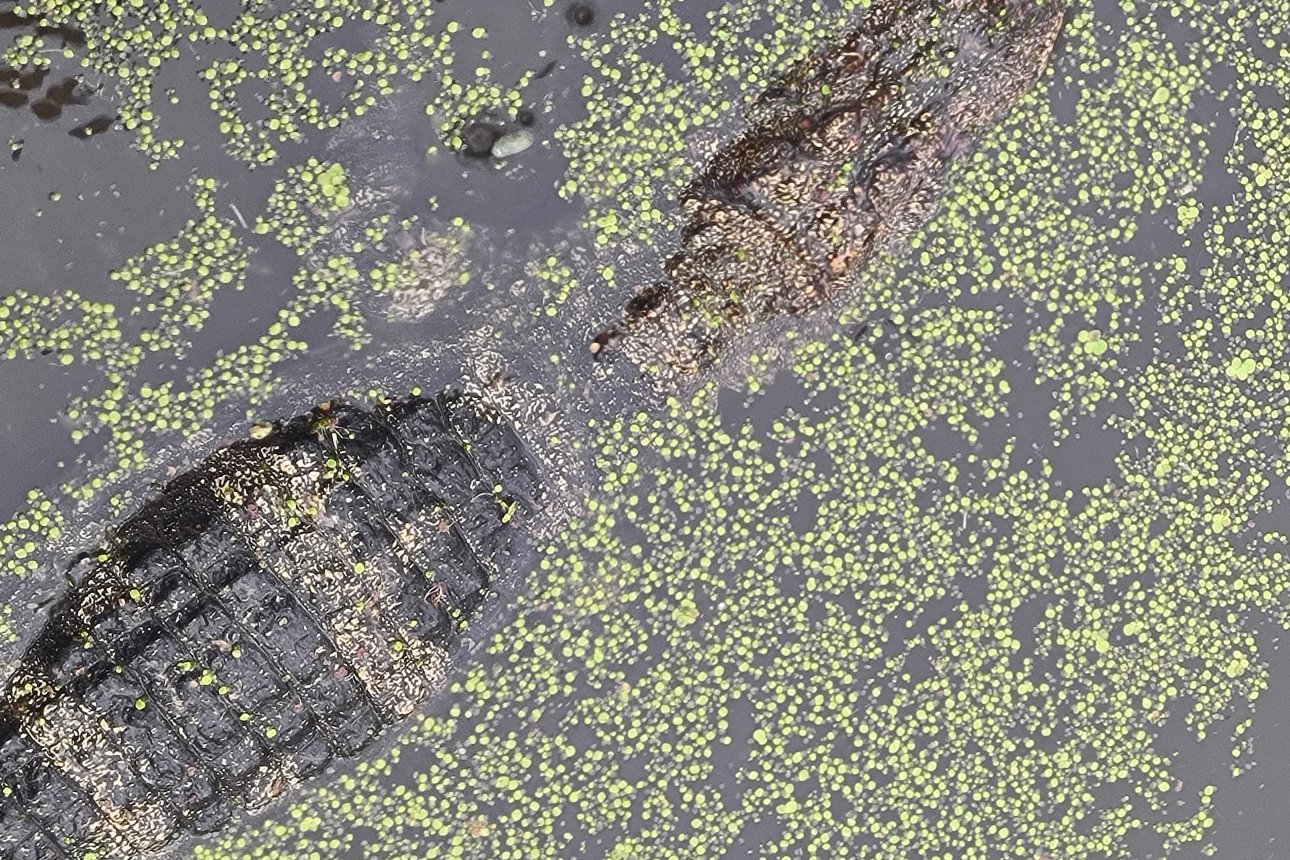
The Chinese alligator is the Yangtze’s living fossil, a lineage more than two hundred million years old, reduced at its worst to fewer than two hundred wild animals in the wetlands of Anhui. The reserve was established in 1979; the first releases into the wild followed in 2003, once the captive population could spare animals.
The 2025 numbers are the best on record. More than 1,920 animals in the wild, 1,806 hatchlings produced in the reserve and 255 hatched in wild nests in one season, and 89 wild nests found — the most ever counted. In Jingxian’s Zhongqiao area the patrol counted 171 dens, and for the first time watched three-year-olds dig their own: animals released years ago are now breeding and overwintering without help. Six thousand mu of habitat has been reshaped — ponds re-dug, water linked, native fish and snails restocked to put a food chain back.
The awkward fact is that most visitors meet this species in a pond, not a marsh. China Alligator Lake, on the edge of Xuancheng, is the reserve’s public face: a breeding centre holding more than ten thousand animals, with a museum and boardwalks. The wild ones live in the reserve’s other patches — Jingxian, Guangde, Nanling — where the work happens and visitors do not go.
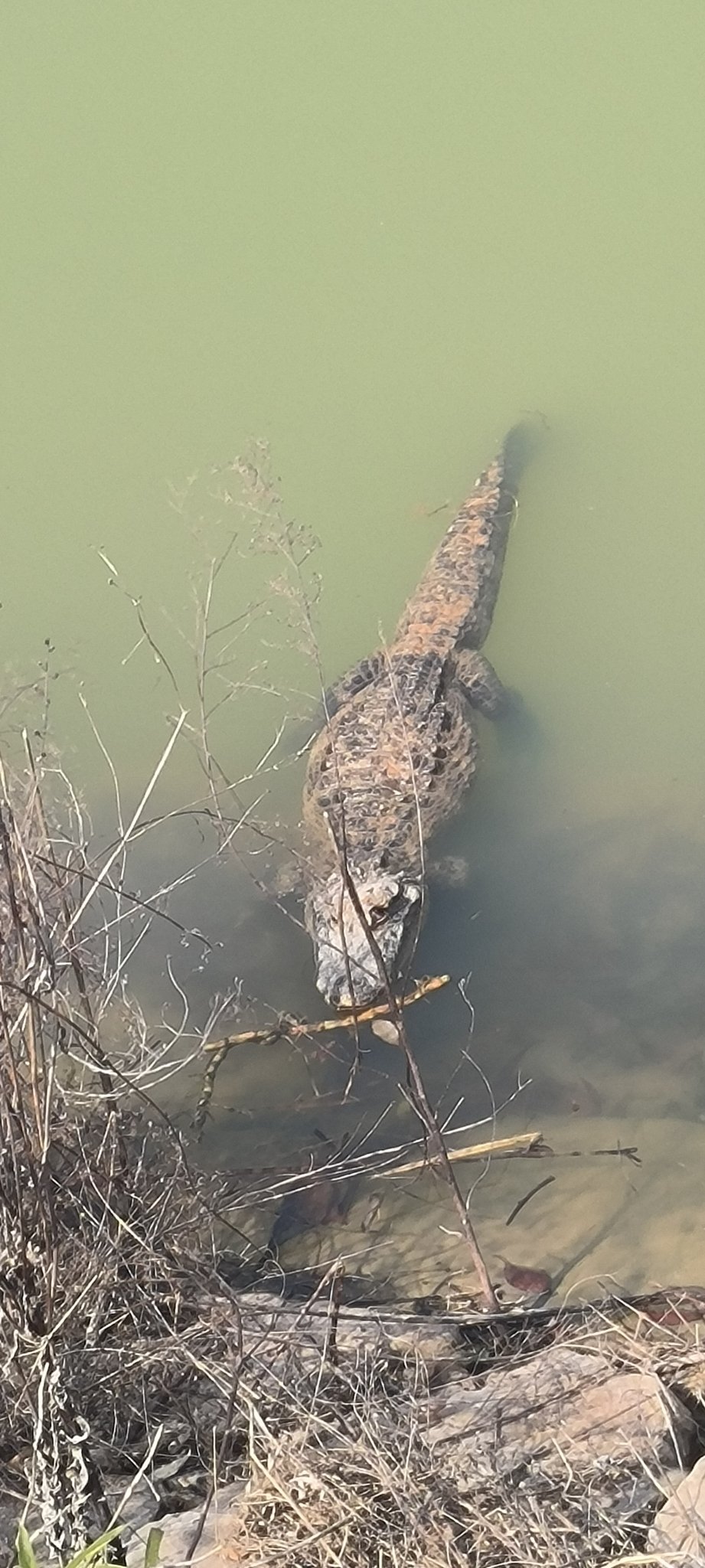
Five kilometres from Xuancheng city: the captive population, the museum, and the clearest look at an animal most Chinese travellers have never seen in the wild.
The restored ponds where the 2025 nest and den records were made. Access is arranged with the reserve, not bought at a gate.
They are active from spring until the water drops below ten degrees. From late November they are in dens, and the reserve moves its captive animals into heated rooms.
Around Zhucun about 140 wild alligators live in the same ponds and ditches as the village. Land transfer and compensation, not fencing, is the arrangement — the most interesting hour of the trip.
The lake is a breeding centre with a ticket desk. The recovery story lives in the reserve’s own patches, and visiting them is a working visit arranged in advance.
Nest temperature sets the sex of the hatchlings. That is why nest shading, pond depth and bank design matter more in this reintroduction than in most.
They are timid and will usually flee; a cornered one bites hard. The reserve’s rule is hands off, and the handling shows at crocodile farms are not a model for anything.
Xuancheng is a rail stop south of Nanjing, with Huangshan and the Huizhou villages an hour or two away. The alligator makes a natural half-day between them.
Anhui is usually a mountain-and-village trip. The alligator adds a wetlands half-day that most itineraries skip — and a conservation story with numbers behind it rather than a slogan.
Start a journey briefAnhui: Huangshan, Huizhou and the Yangtze plain · Watching without disturbing · All wildlife field guides