
Tashkurgan — stone tower, in the old language — is the last town on the plateau before the border, and it has been a garrison town for as long as there has been a road: the modern county seat sits below a ruined fortress that has watched this valley since the Han. The stone city is the plateau's best ruin, and the hour to have it is the one the road schedules make easy: the evening, when the valley goes gold.
The fortress on the hummock.
The fortress occupies a natural hummock of rock above the grassland — a defensible island chosen with the economy of someone who had to hold it with stones. Walls ring the crown; the gates face the river flats; and the interior is a field of foundations where the garrison's buildings stood. From the top the sight-lines are the point: up the valley to the passes toward Wakhan, down the road toward Karakul, and across the grassland where the caravans that fed the garrison grazed.
Two thousand years of garrison.
The stone city layers like a sediment record. Han-era Puli, a chief town of the western regions; the Tang garrison that the monk Xuanzang passed through and praised; the local kingdoms that kept it; the Qing banners that rebuilt the walls in stone and rammed earth. Every administration that ran the plateau maintained this hummock, and the ruin's walls carry the repairs in bands — a building archaeology you can read from the ground without a single label.
The valley and its people.
Below the fortress, the Tashkurgan river valley holds the town and its fields, and the people of the valley are Tajik — the Pamiri highlanders whose language, music and roofs are distinct from everything on either side. The valley's evening is specific: fields going dark, the eagle dance at weddings in season, the brick houses with their covered rooftop galleries built for a climate that gives six hard months. Our journeys hold a night in the town at valley guesthouses, which makes the evening fortress walk possible and the morning after it unhurried.
The light that makes the stop.
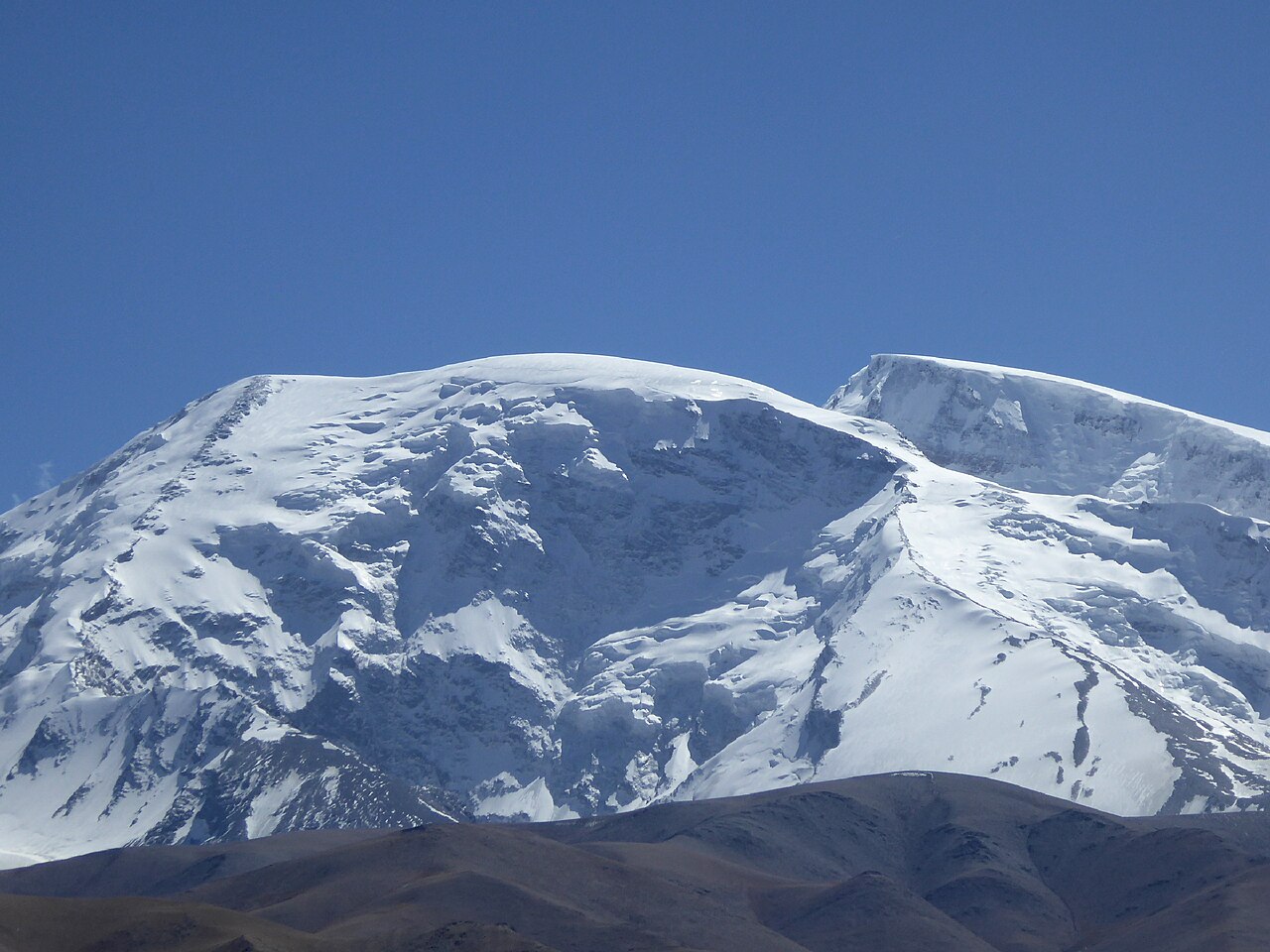
The plateau is high — the town sits at 3,100 metres — and its light behaves accordingly: hard at noon, and then, in the long graze of late day, extraordinary. The fortress walls take the low sun and go the colour of the grassland; the snow line up the valley catches the last of it; and the wind, which owns the afternoons, settles. Guests consistently time the stone city for the final hour before dusk, and the fortress rewards it with the best ruin-light on the plate.
Where it sits on the road.
On our Pamir road journey, Tashkurgan is the night between the lake and the far valley — fortress at sunset, valley guesthouse, and the road up toward the Khunjerab pass in the morning with the light behind the vehicle. The border formalities at the far end are arranged in advance as part of the route's permits; the stone city asks nothing but the hour. Give it the hour.
Where this leads
Karakul at seven in the morning
Guide: Karakul & Tashkurgan
Kashgar & the Pamir road