
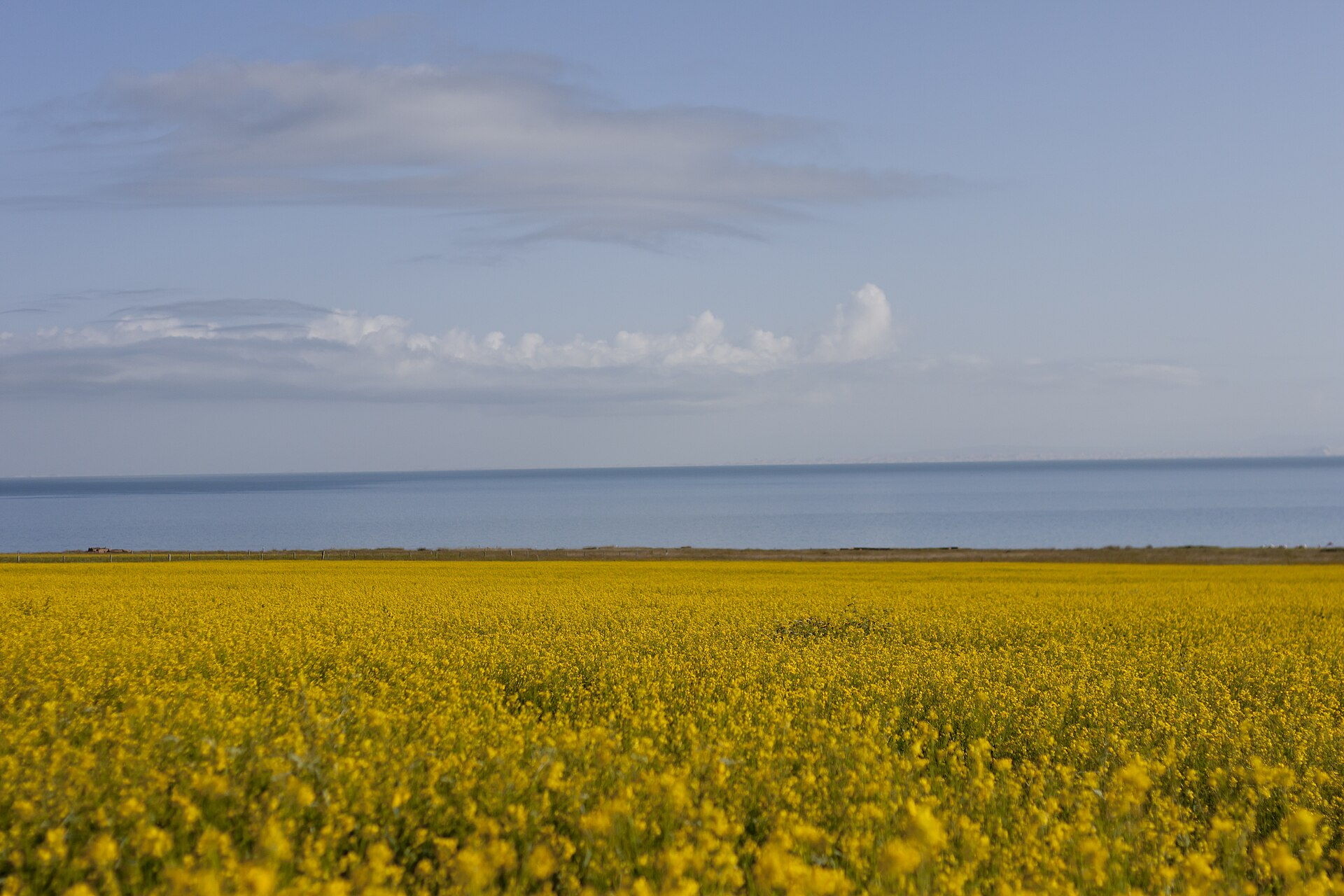
Aerobic power falls with altitude — that is the whole story, and the number matters: at 3,200 metres a sea-level rider has lost roughly a quarter of their sustainable power, and no amount of will argues with physiology. The good news is that the plateau’s roads are gentle, and the tax is payable in instalments.
The tax, in numbers
Expect roughly 20–25% less aerobic power at 3,000 metres than at home, worse in the first two days and partly recovered by day four or five. Heart rate runs higher at the same effort; breathing gets noticeably loud on any gradient; and the sensation of riding through porridge on day one is universal, not a verdict on your fitness. Sleep is the other casualty — see our altitude sleep note for why night one is short.
Pacing the first days
The rule that works: for the first two days, ride at the pace where you could hold a conversation — the talk test scales to altitude automatically. Distance targets set at home do not transfer; effort targets sort of do. Ride shorter than you want on day one, eat more than you want all week, and drink on a schedule rather than on thirst, because the dry plateau air hides sweat.
The cold and the sun
Plateau weather adds two non-obvious items. The sun at 3,200 metres is fierce — sunscreen and covering clothing are performance equipment, not cosmetics. And the temperature swing is huge: a 25°C afternoon can sit next to a 5°C morning, so the layering system starts every ride cold and ends warm. The wind, at Qinghai above all, is the third rider in the group; the guide reads it and the route runs with it.
How the rides stage it
Our Qinghai circuit does the altitude bookkeeping explicitly: arrival day rides 70 flat kilometres, the days build slowly, the support van makes every afternoon optional, and the camp night comes mid-trip when bodies have adjusted. For the medical background — symptoms, what is normal, what is not — the altitude medicine guide is the honest reference.
Where this leads
The Qinghai Lake circuit
The lake circuits
Altitude medicine guide