
The script.
Dongba writing looks like a book of cartoons and works like a score. Each glyph is a picture — a man with a walking stick, a bird, a zigzag of water — but the system is a full notation: a trained dongba reads a manuscript not word by word but as a mnemonic score, expanding each picture into passages of ritual text held in memory. The thousand-odd surviving manuscripts record funerals, exorcisms, creation myths and the manual of a whole cosmology, in pictures, for one valley's use.
The priests.
The dongba were the Naxi's ritual specialists — part priest, part scribe, part physician of the spirit world — and their manuscripts were working documents, not museum pieces. The tradition was nearly severed in the twentieth century, and the story of its survival is a rescue: a handful of aged priests in the 1980s, a few young scholars determined to learn, and the long, patient work of re-teaching a script whose last fluent readers could be counted on two hands.
The living line.
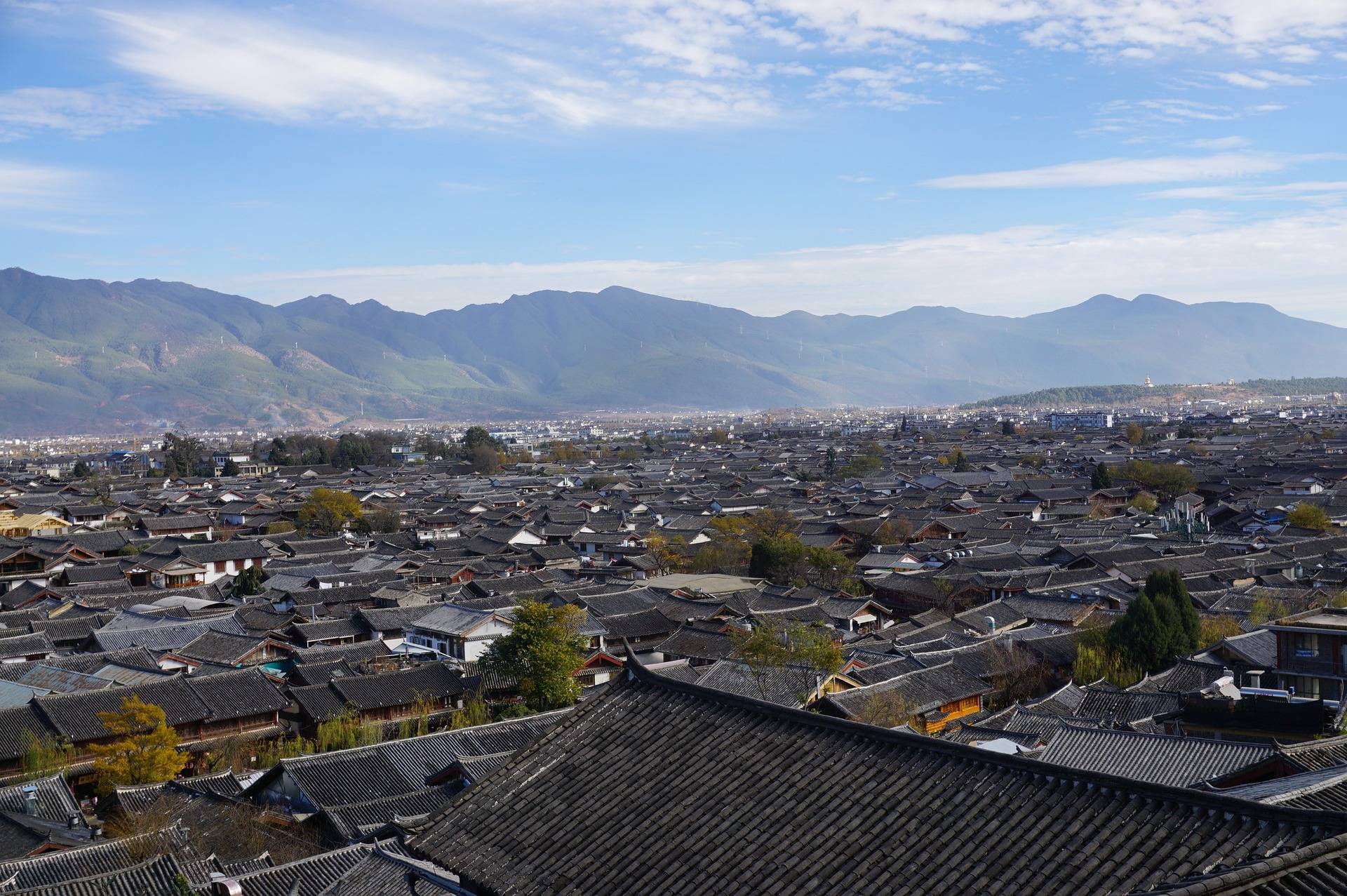
Today the script is taught, written and — in the workshops and cultural stations around Lijiang — genuinely alive, if delicately. Some of what is sold to tourists as dongba is decoration. The real thing can still be met: the scribes in the old town who studied under the last priests, the manuscripts in the Lijiang collections, the Baisha village where the tradition kept its quietest rooms. Meet it with respect; it is the only one of its kind on earth, and it lives here.
Keep reading
Tea-horse way stations
Shaxi's Friday market
Two monkeys of China