
On a supported journey, camp is not something you do — it is something done for you, and done well it disappears: you walk in, dinner is on, your bed is standing, and the landscape is the only problem left to solve. Here is what is actually happening under the surface.
Siting the camp
Crews site camps on a checklist that runs longer than you would guess: drainage (never in the hollow that looks flat — it is flat because water collects there), wind shadow (a lee slope or a fold of land), morning light (useful, and good for morale), distance from livestock paths, and the ground’s own archaeology — rocks under grass, roots under sand. The tents go up in the last hours of light so the site is dry when they are pitched, and the mess tent goes up first, because hot drinks are logistics too.
The daily rhythm
Camp life runs on two clocks. Yours starts with tea in the tent and ends with the stars. The crew’s starts at five in the morning and ends after you sleep: strike, pack, move, siting, water, kitchen, pitching, dinner, dishes, and the weather check that sets tomorrow. The reason supported camping feels effortless is that someone is carrying the second clock for you — which is also why the crew eats last and deserves the courtesy of not being rushed.
The field kitchen
A two-burner field stove and a set of steel basins will feed twelve people three meals a day at 4,000 metres, but only with a crew that plans by weight and by water. Everything is bought fresh where the roads allow and carried where they do not; the menu shortens as the journey goes high; and the cook’s first question each evening is not what to cook tomorrow but where tomorrow’s water comes from. See our note on what the kitchen actually cooks for the menu itself.
Weather and the crew
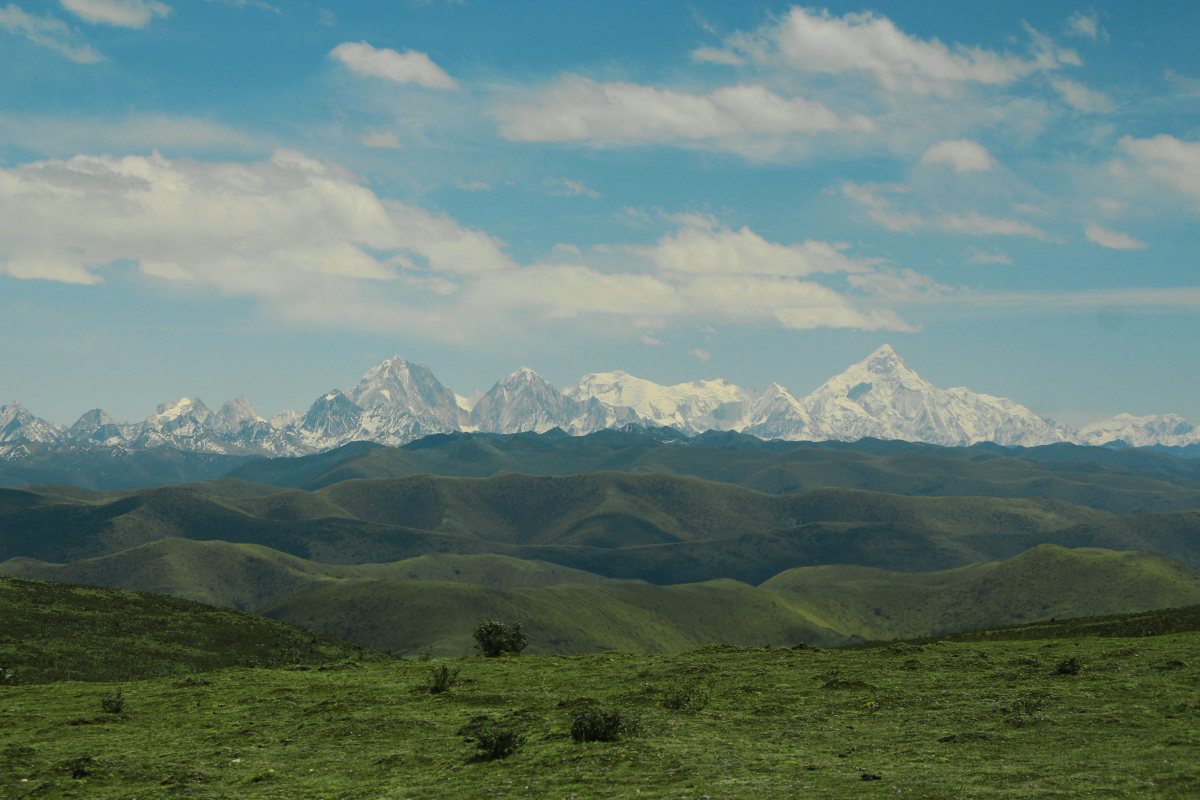
The crew reads weather the way sailors do — cloud build-up over the ridgelines, the smell of the wind, the behaviour of the animals — and moves camp or holds in place accordingly. On our Badain Jaran journey the drivers reroute daily on wind; on the Zhagana trek the pass day flexes either way around the mountain forecast. Trust the call. The camp that looks conservative from your tent is the one that has never been caught out.
Where this leads
The Hulunbuir steppe camp
The Zhagana camp trek
Leave no trace