
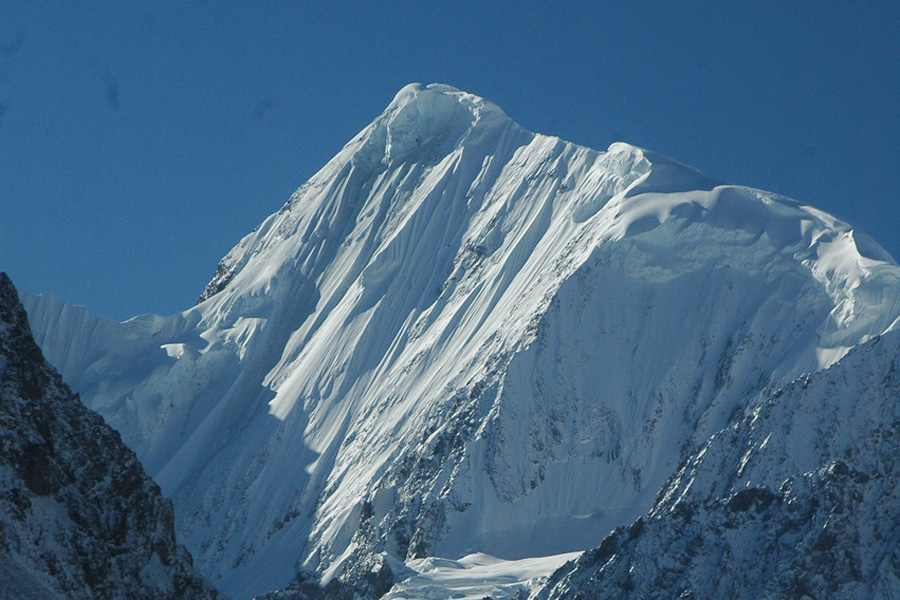
Summit photographs show the top of a story that, from the mountain's point of view, is barely half told. The hours and days after a summit are where expeditions are actually finished well or badly — and where the next climb quietly begins.
The descent first
More accidents happen on descent than on ascent in every mountaineering statistic worth reading: tired legs, spent attention, softened snow, the psychological dip of a goal achieved. Guides run the down as tightly as the up — rappels checked, rope-team discipline unchanged, the turnaround principle inverted into a "last camp hour" that keeps descent days from stretching. The summit is optional; walking down is the requirement.
What the body does
Altitude takes a quiet toll after the climb: a week of broken sleep and odd appetite as the body descends and rebalances, appetite returning like a tide, legs that argue on stairs. None of it is injury; all of it is normal; and the recovery rule is the same everywhere — eat, sleep, hydrate, and let the descent do its work before declaring anything.
The recovery week
The best expeditions build a soft tail: a low-altitude day or two — a valley town, a train journey, a warm kitchen — between the mountain and the airport. It is where the trip's memory consolidates, where the logbook gets written and the group decides what the story was. Rushed exits cost more than a hotel night; they cost the week the mountain earned you.
The next mountain
And then, usually over that recovery dinner, the next mountain names itself. The progression page exists for exactly this moment: a summit is a rung, not a finish, and the honest question after each climb is what the body and the calendar can honestly take next. Some seasons the answer is a bigger number; the best seasons, it is simply the next mountain — chosen as carefully as the first.
Where this leads
Summit day, hour by hour
The mountain progression
The 7,000er question