Booking lead time
The good windows are finite: book peak-season expeditions two to three months out — guide rosters fill before the weather does.
 Start your enquiry
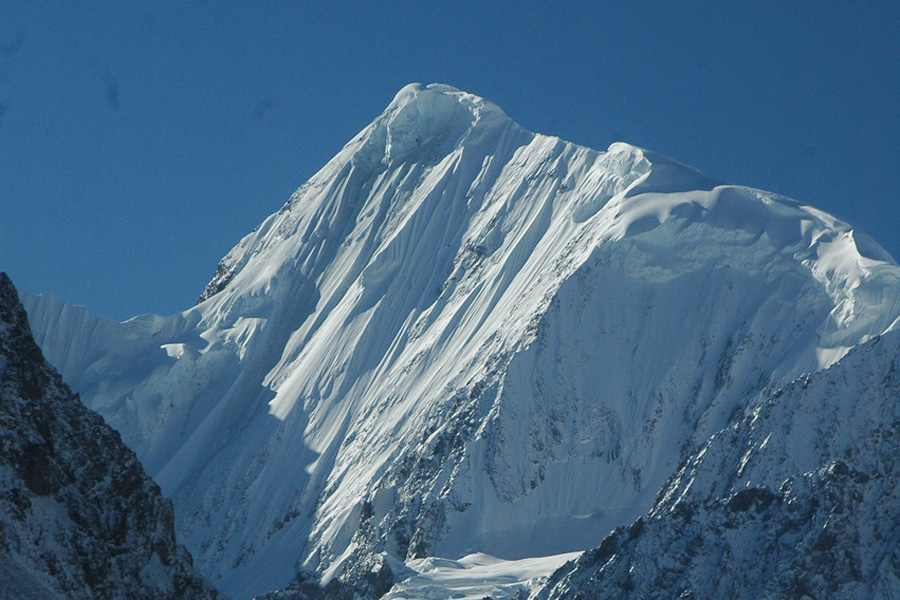
Mountaineering / Knowledge
Every mountain on this site has a window, and the windows are set by the monsoon and the jet stream. Here is the whole year, peak by peak.
Start this journey briefThe clearing that everyone waits for
July–September rains rule the Sichuan and Yunnan mountains — yet Que'er climbs precisely in that window
Qinghai's Yuzhu climbs May–September in dry plateau cold that makes July feel easier than April
Haba and the Siguniang peaks climb in settled pre-monsoon weather with rhododendrons on the approach
Haba's second window — colder, clearer, and the quietest trails of the year
China's mountains are run by two weather systems. The south-west monsoon loads the Sichuan and Yunnan sky from July to September — deep snow, avalanche risk, closed passes — which is why the Siguniang peaks and most of the Hengduan season ends by June and restarts in October. The Kunlun and the Qinghai plateau sit outside the monsoon's reach: their season is the dry warm months, May to September, when the road runs and the plateau cold is merely serious rather than lethal.
The exceptions are interesting. Que'er climbs in the monsoon summer because its glacier's snow bridges are safest then — the season is short precisely because it borrows the monsoon months. And Haba gets two windows: the pre-monsoon spring and the dry early winter, when the winds between systems leave the snow stable and the trails empty.
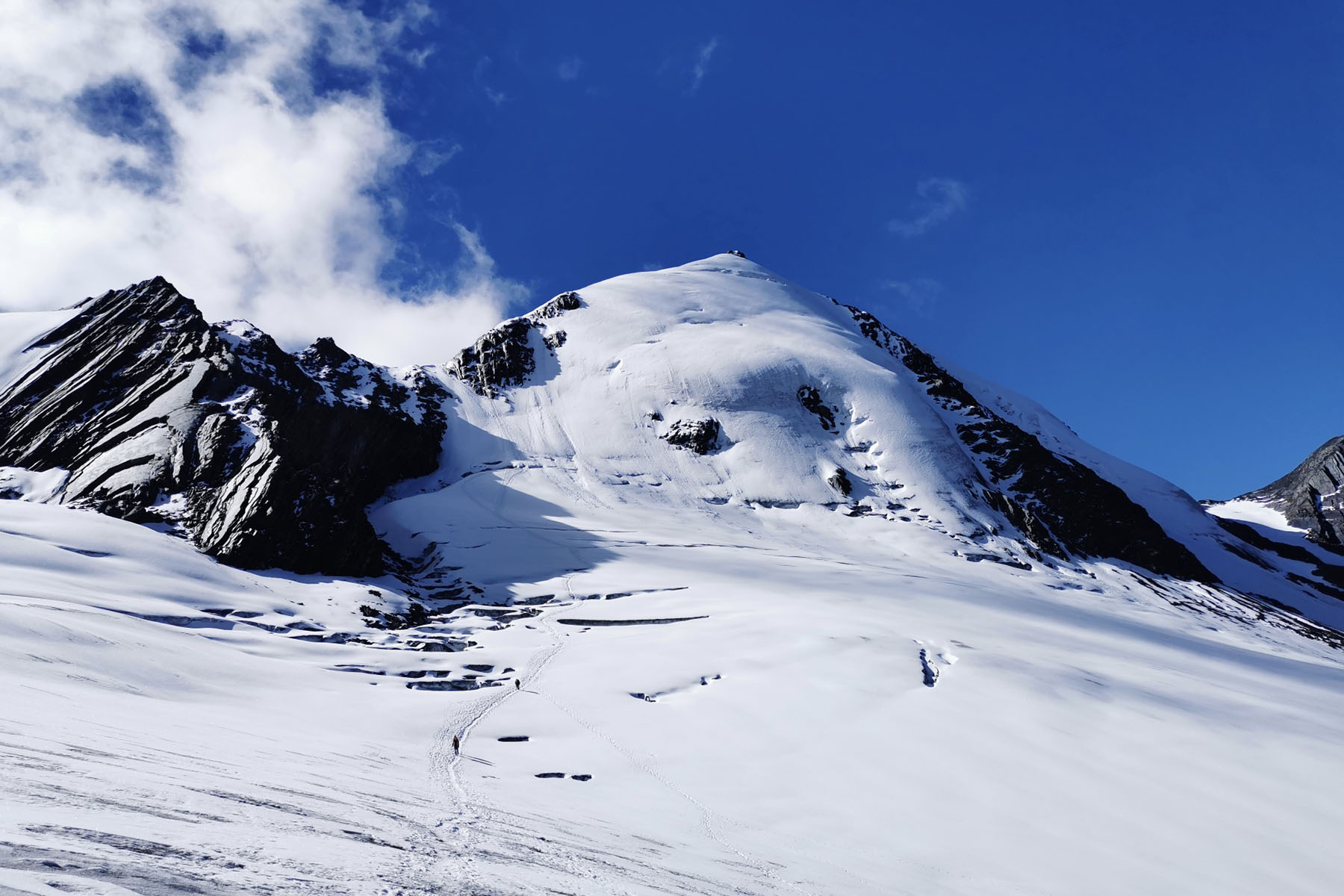
The spring season: Haba, Dafeng, Erfeng, Yamu, Wukuchu, Nama — settled weather, green approaches, every mountain open except the high Sichuan glaciers.
The plateau season: Yuzhu at its best, and Que'er's short technical window. The Sichuan and Yunnan peaks mostly rest under the monsoon.
The autumn reopening: the Hengduan clears, Reddomain and Nama run their finest weeks, Haba's second window opens.
Haba's clear, cold, quiet season; the Siguniang ice-climbing season begins in the valleys below the big peaks.
The good windows are finite: book peak-season expeditions two to three months out — guide rosters fill before the weather does.
Every one of our itineraries carries a weather day. Expeditions without one are selling you a hope.
Climbers who can shift a trip by a week into a better forecast get better mountains. Ask us about the shoulder edges of each window.
The Nov–Dec Haba window is cold, not deadly — but it is a genuine winter alpine environment and the kit list is different.
Tell us when you can travel and we will tell you which mountain that week actually holds — the calendar is the first question we ask.
Start a journey briefSeason windows for the seven peaks · The mountain progression · The best time for outdoor China