Cangshan walks
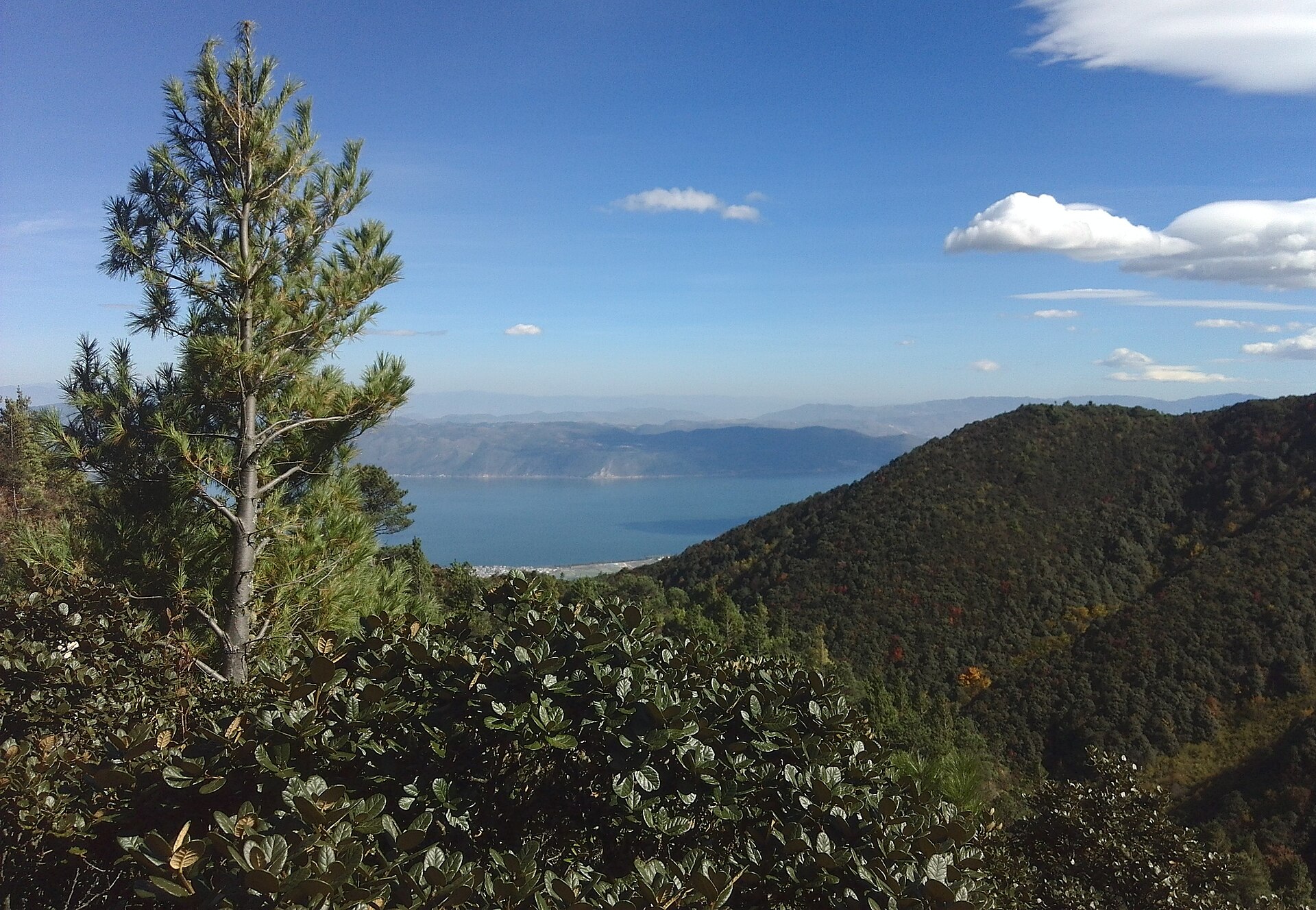
A mapped trail system on Dali’s mountain wall, including the cloud road (Yudai) at about 2,600 m. Chairlifts shorten the climb; the ridges do the rest.
 Start your enquiry
Destinations / Dali & Lijiang
Two old towns under two mountain walls: Dali between the Cangshan peaks and Erhai lake, Lijiang beneath the glacier of the Jade Dragon. Yunnan’s classic pair.
Explore the guide ↓Yunnan · Southwest China
Northwest Yunnan stacks its highlights along one valley line: Kunming, Dali, Lijiang, Tiger Leaping Gorge, Shangri-La. High-speed rail now runs the first three, which changes what a comfortable journey here looks like.
Dali sits at 1,972 m between Erhai lake and the nineteen peaks of the Cangshan range, the highest of them Malong at 4,122 m. The Bai people’s villages — Xizhou, Zhoucheng, Shuanglang — ring the lake with tie-dye workshops, markets and courtyard houses.
Lijiang’s old town, UNESCO-listed in 1997, is the home of the Naxi people and their pictographic Dongba script. Behind it rises the Jade Dragon Snow Mountain, its principal summit Shanzidou at 5,596 m, and between Lijiang and the Tibetan plateau runs the Tiger Leaping Gorge.
What the Dali–Lijiang line does best.
A mapped trail system on Dali’s mountain wall, including the cloud road (Yudai) at about 2,600 m. Chairlifts shorten the climb; the ridges do the rest.
Xizhou’s market and morning tofu, Zhoucheng’s indigo tie-dye, lakeside cycling on quiet causeways. The lake day is as good as the mountain day.
The UNESCO old town early in the morning before the crowds, then the quieter Baisha village with its Ming-era murals at the foot of the snow mountain.
A cablecar to 4,506 m beside the glacier, meadow parks below, and the Blue Moon valley. Oxygen and warm layers are not optional.
The gorge between Lijiang and Shangri-La where the Jinsha river narrows to metres. Day walks or the full high trail — see our dedicated guide.
Northwest Yunnan travels well all year; the seasons change the light.
Clear air, blossom season and the first green of the high trails. The best walking window with the smallest crowds.
The green season: warm, wet afternoons, waterfalls at full flow. Mountain mornings are usually fine; plan walking early.
The clearest skies of the year and golden Erhai light. High country nights turn cold from October.
Connections, bases and the practical details that hold a good route together.
Kunming–Dali–Lijiang by high-speed rail puts the whole valley within easy hops. Shangri-La connects by road through the gorge.
Dali suits a slow four or five nights; Lijiang is the springboard for the mountain and gorge. Splitting the trip between them works better than one base.
Courtyard guesthouses in the old towns, lake-view farms around Erhai, and simple lodges on the gorge trail. We match them to the day’s walking.
Make room for local life, food and cultural encounters.
Two distinct cultures within one valley line: Bai architecture and tie-dye around Dali, Naxi music and Dongba writing in Lijiang. Go beyond the old-town fronts.
This is Pu’er country. Morning markets are the best people-watching in the province, and a tea-tasting hour beats any souvenir shop.
The March Street fair in Dali and Naxi torch festival dates shift with the lunar calendar — ask us what falls on your window.
Useful details to discuss when shaping your trip.
Dali and Lijiang sit near 2,000–2,400 m; the cablecar and the gorge trail go far higher. Build the trip so the big heights come late.
Strong high-altitude sun and sharp afternoon showers. Light rain shells earn their space in the pack in any season.
Tell us the pace you want — lake days, ridge walks, gorge trails — and we will build the valley line to match.
Start my journey brief ↗