
The light.
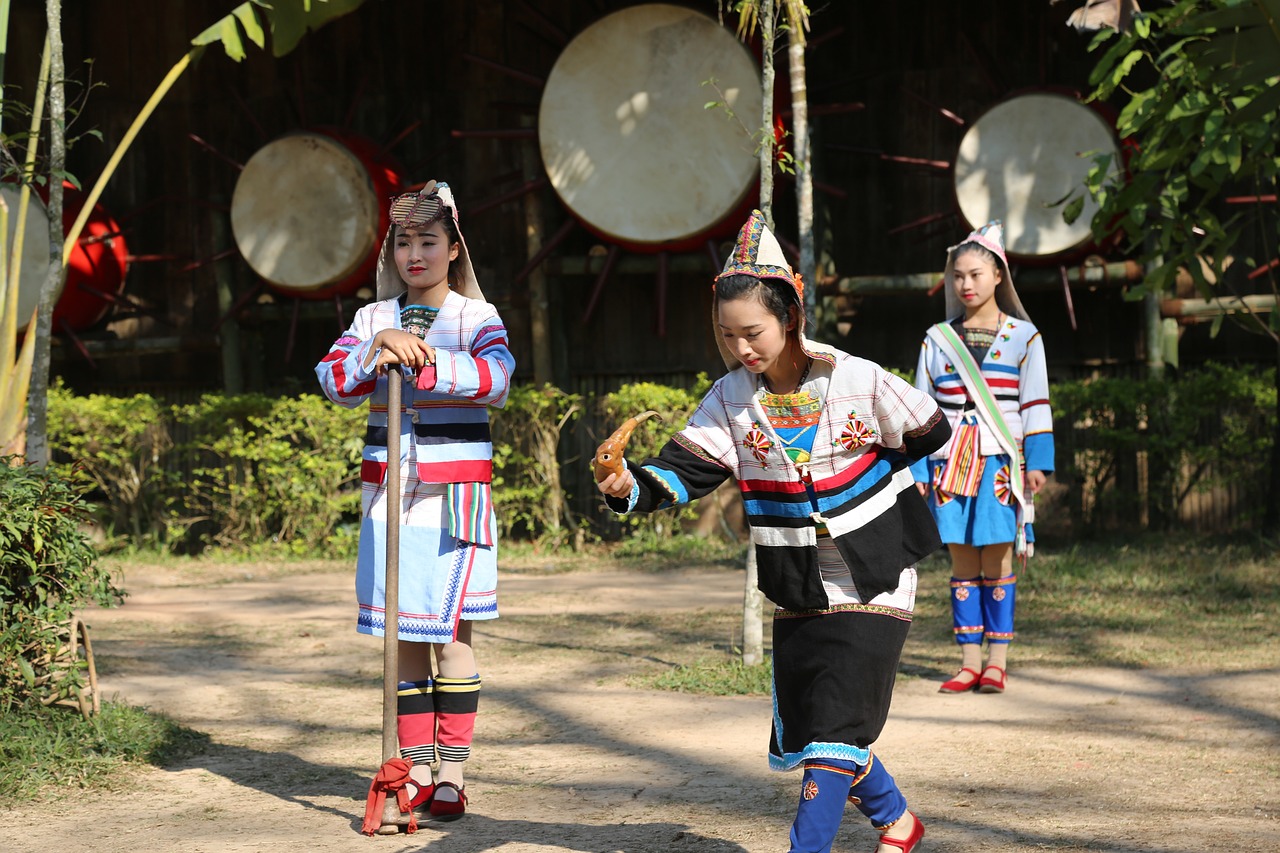
The southern tropics do light differently. The midday is a white canopy you hide from; the evening arrives sideways, in long amber, and the villages come out into it. Half past six in a Dai village is the day's real beginning: the heat lifts, the temple gongs sound, and the lanes fill with the particular unhurried traffic of people who have learned what the sun does and arranged their lives around it.
The well-heads.
Every Dai village keeps its water well-head as a small monument — carved, gilded, roofed — and the water-splashing festival's buckets stand ready beside it all year. The temples face the lanes with their peacock-carved gates; the stilt houses keep their ground floors for work and their mornings for the monks' alms rounds. The architecture is climate control made beautiful, and it reads best at the hour when it is being used.
The village grill.
The evening meal in the south is a grill under a lean-to: river fish in lemongrass, banana flower salad, sour-spicy salsa on everything, rice cooked in bamboo, and the tea of the region — Pu'er, of course, drunk thick and endless. Eat at the village tables rather than the town restaurants, and the tropics make their case better than any guidebook: the evening is the harvest, and it is served on a leaf plate.
Keep reading
Elephants decide the schedule
Pressing the cake
Tea with meals