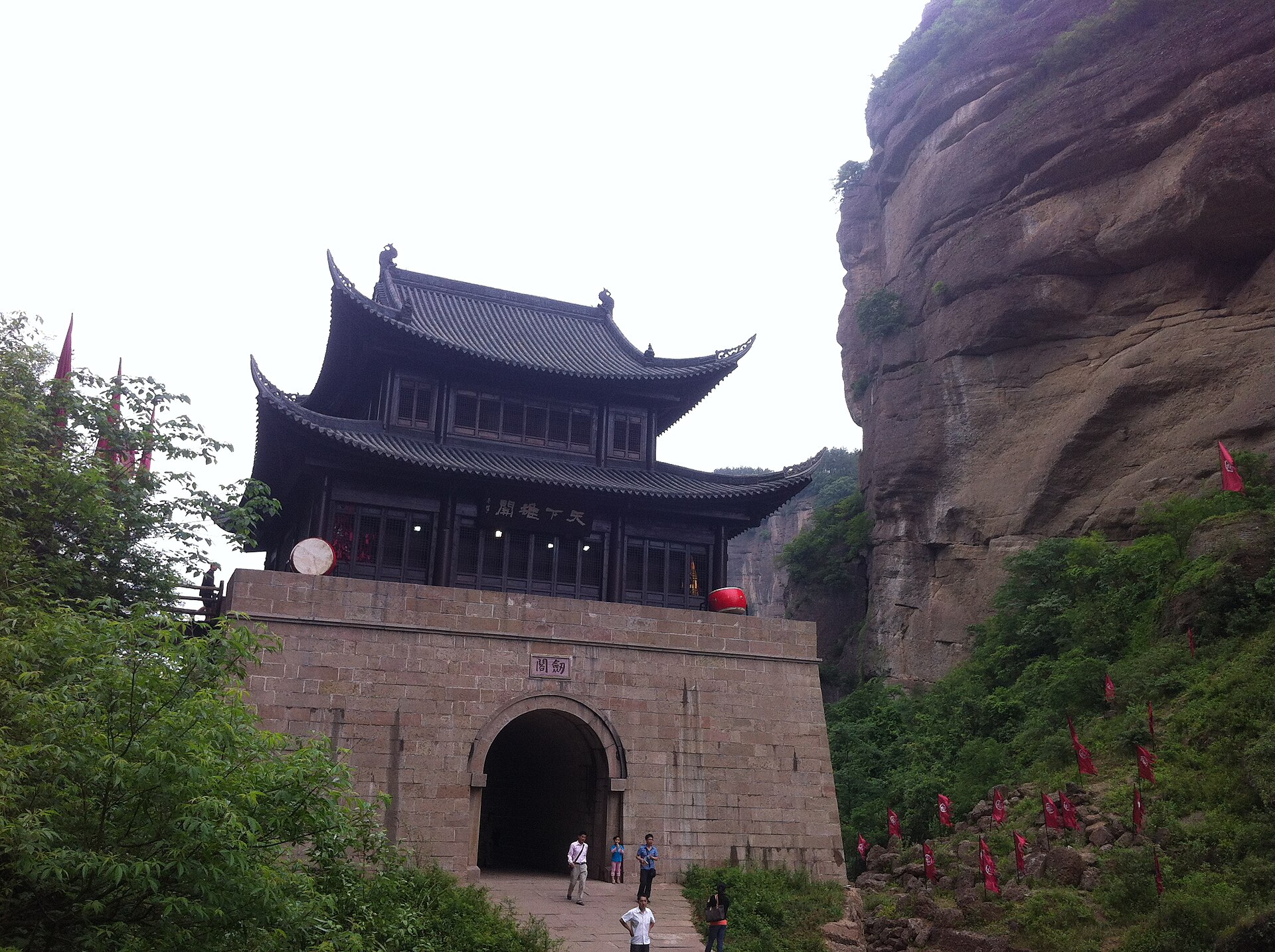
A walking trip with a sense of place.
The Ancient Shu Road is a network of historical routes, not a single modern signposted hike. Its appeal lies in the connection between old paths, mountain barriers and the movement of people into Sichuan. A rewarding itinerary chooses walkable sections and gives them historical context. It also distinguishes the shaded corridor experience from the steeper sightseeing paths at Jianmen Pass.
The options below are planning suggestions, not fixed departures. Walking time, entry arrangements and the final route are confirmed for your dates and group. A half-day or full-day label describes the proposed outing, not a guaranteed trail duration.
Choose the walk that fits.
Cuiyun Corridor walking
Suggested half-day · gentler heritage focusUse an accessible section of the cypress-lined corridor for a slower walking day. Pause for the trees, path surfaces and stories of the road. Confirm the exact section and pickup rather than interpreting the historic corridor’s length as a continuous visitor trail.
Jianmen Pass landscape
Full sightseeing day · substantial steps possibleCombine the pass history with an appropriate open mountain route. Mechanical access may reduce some effort, but narrow or steep optional attractions require their own judgement. A heritage visit does not require taking every exposed path.
A two-day road-and-village journey
Two days · mixed walking and transfersGive the corridor and the pass separate days, with time for a town stay and local food. This produces a better narrative than a rushed sequence of distant stops and lets the walking intensity vary.
Know before you go.
What the route is actually like
Expect a mixture of old stone, maintained scenic-area paths, village lanes and road transfers. The most photogenic stretch is not necessarily the longest walk. Ask for walking time and vehicle time separately when reviewing a proposed itinerary.
Arriving in northern Sichuan
Plan around the appropriate rail arrival and a pre-arranged onward transfer to your walking base. Guangyuan, Jiange and individual scenic entrances are different locations. Avoid a tight return train after a mountain circuit whose exit time depends on queues or weather.
Season and footing
Spring and autumn are reasonable planning starting points, while summer humidity and rain can change the effort. Shaded stone remains slippery after rainfall. Winter conditions need a fresh local check even if lower towns feel mild.
Culture without rushing
Leave time to connect the road with Sichuan history, settlement and food. Ask before entering homes or photographing residents. Stay on open visitor paths and respect old trees and archaeological fabric rather than using them as climbing or photo props.
A possible journey.
This is an itinerary outline to adapt around your arrival, preferred pace and available walking days. Accommodation, transfers, entry and guiding are confirmed in a written trip proposal.
- Arrive in the Guangyuan/Jiange area and make a relaxed heritage walk the first activity.
- Spend the next day at Jianmen Pass with a route matched to the group’s step tolerance.
- Continue toward Chengdu or another Sichuan stop, leaving time for transfer and rail connections.
Prepare for the actual route.
Bring broken-in walking shoes with grip, a small daypack, water, a weather-appropriate layer, rain protection and sun protection. Carry any personal medication and a charged phone; download your hotel address and meeting point for offline use. Let us know if long steps, uneven ground or a sustained descent are a concern.
For a useful quote, tell us your travel dates, group size, recent walking experience, preferred accommodation and whether you want a guide, transfers and luggage support. Ask the proposal to distinguish entrance fees, cableways, meals, guide service and optional activities. No price or inclusion is implied by this guide.
Read our China walking and trekking packing guide for the broader journey, then adjust it to this route rather than packing for an expedition by default.
Your questions, answered.
Is this a long-distance trek?
This guide focuses on selected heritage day walks connected by transport. A continuous expedition-style journey would require separate route research and support.
Are Cuiyun Corridor and Jianmen Pass the same walk?
No. Treat them as distinct experiences with their own entrances, transport and effort.
Can less active travellers enjoy it?
Yes, by choosing shorter corridor sections and limiting mountain steps. Confirm the actual walking surfaces and vehicle access.
References & photography.
Reference material supports destination context; check local opening arrangements before travel. The route choices and itinerary above are our planning suggestions.